Fabrics That Feel as Beautiful as They Look

Nothing feels better than when someone compliments what you’re wearing and you get to say, “Thank you, and it’s so comfortable!” When it comes to fashion, the best balance is finding something that looks great and feels great. So what are the most comfortable fabrics that you can wear while still looking fantastic? When looking for comfort in a garment you should be looking at fabric type, garment design, and size.

Read on to get all our best tips and tricks for curating the cutest and comfiest wardrobe you’ll ever have.

Fabric Type

This is obviously one of the most important elements to consider. Fabric type can change a lot in terms of comfort, and this can also vary from person to person. Consider if you have any sensitivities or allergies, consider if the garment has any appliques that could irritate your skin, and consider whether or not the fabric has any stretch. 

Here are some fabrics that we love for their comfort and versatility:

●     Cotton

Cotton is an extremely breathable and comfortable natural fabric. It’s also extremely common and easy to wash. Cotton dresses, pants, and blouses are ideal for summer days or when you just don’t want to feel restricted.

●     Polyester

Polyester is a synthetic fabric that is durable, stable, and adaptable. Similar to cotton, it’s easy to wash. However, you do not have to worry about any shrinking when it comes to polyester. Polyester isn’t as breathable as cotton, but this makes it a more ideal choice for colder days when you want protection away from the elements.

●     Rayon

Rayon is a very durable fabric that is made from wood pulp, eucalyptus, or other natural fibers. The fabric is woven from very thin threads which leads it to be extremely breathable and ideal for summer wardrobes.

●     Linen

Linen is perhaps the fabric that people often think of when they think of luxurious comfort. Linen clothes are not just beautiful, they’re light and breathable, making them ideal for a saunter in the sun.

Everyone relates to fabrics differently and has their own preferences. If you’re unsure which fabrics you like, go take a look in your closet. Figure out what your very favorite comfy pieces are made from, and seek out pieces made with those fabrics.

Garment Design

Garment design can make or break an overall outfit’s look. This can, again, come down to preference, but there are some designs we absolutely love when it comes to cute comfort. Whether you are dressing for winter or summer, these tips can help you to build out your wardrobe

●     Go With the Flow

Few things look as fancy and feel as free as a nice flowy dress. Pair this with some long layered necklaces and a straw clutch and you can walk out looking like springtime personified! And the best part? No part of the outfit will stick to you, making it oh-so-comfortable as you sweep along with the breeze.

●     The Wide Leg

Pants can be difficult when it comes to finding something cute and comfortable, but reaching for a wide leg pant in a comfortable fabric can make them one of the most unexpectedly comfortable things in your wardrobe. Plus, you’ll look very cute and boho-chic when you reach for this option.

●     The Oversized Cardigan

Nothing says cozy like a big knit sweater draped across your shoulders. And we all know that layering can create some of the cutest outfits. A comfy and cozy knit cardigan draped over a dress conjures up images of cute cottagecore dreams. So go ahead and wrap yourself in the embrace of an oversized cardigan.

Layering, loose fit, and conscious design are all things to embrace if you are looking for the comfiest and cutest design.

Sizing

It’s a common issue these days: you’re one size at one store, but then at another you’re three sizes up, and at another, you’re two sizes down! What gives? Sizing has become very unstandardized and this variance can cause a lot of stress and anguish while shopping. If you are shopping online this can be even more stressful. Pay close attention to sizing charts and try to gravitate towards brands that carry a lot of plus sizes, even if you aren’t plus-size, this signals that a brand cares about how all of their customers feel in their clothes.

Celebrate Your Style

Nothing feels better than just being unapologetically yourself. Celebrate your personal style by embracing all of the things that make you feel good in your own skin and clothes. For some people that may be a crop top, for others a big comfy sweater. It doesn’t matter what you wear–as long as you wear what brings you joy, and comfort, and makes you feel beautiful.
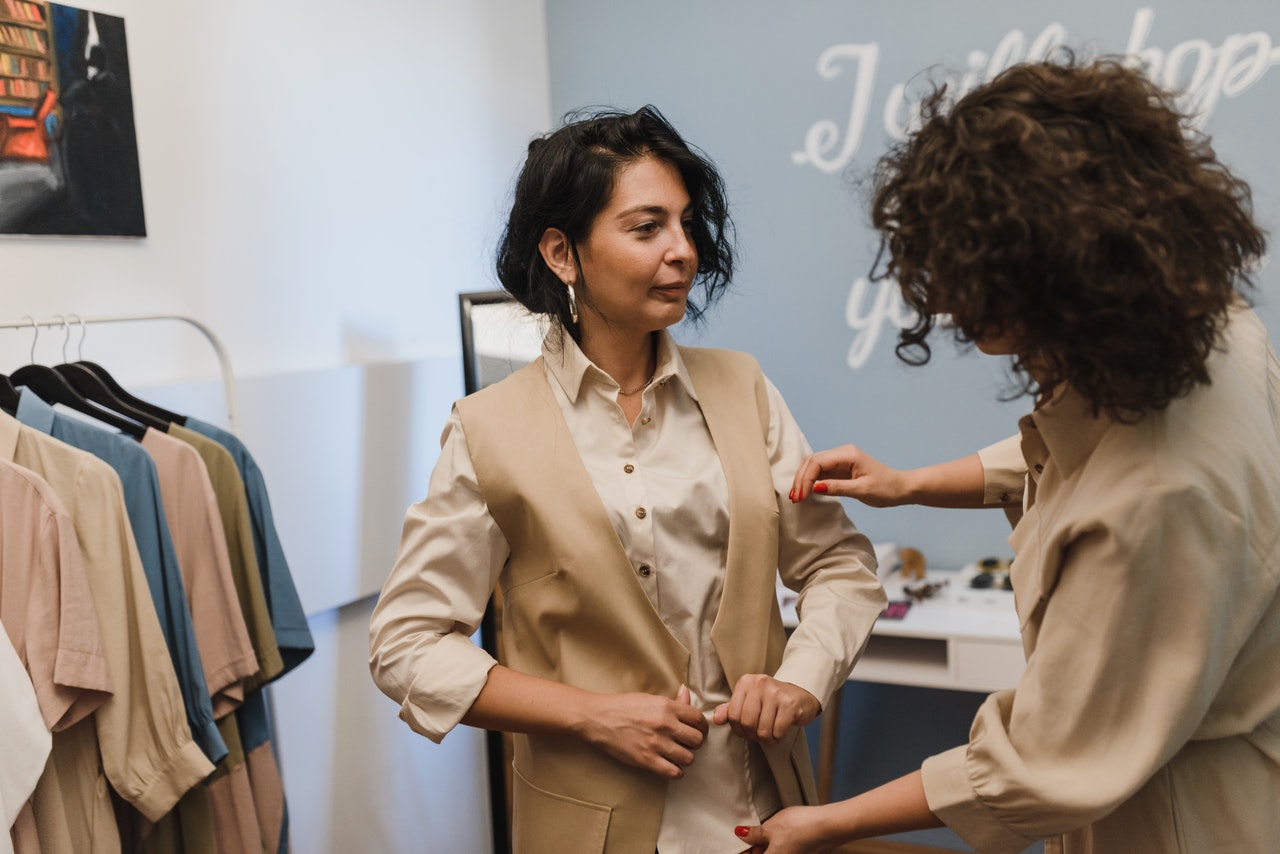
What to have in mind if you are considering starting a fashion business

Photo by Arina Krasnikova from Pexels

If you’re a creative person and a fashion lover, you might be considering starting your fashion entrepreneurship. You will finally be your own boss and your hobby might become your real job. In Australia, it is not excessively difficult to start a business. There are some requirements to start a business in Australia, such as ABN, an 11-digit number that is unique only to your business. Other than that, you will have to register your business name, think about the taxes, and a couple of things more depending on the type of the business. Let’s check what would be the most important to have in mind when it comes to the fashion business.

Find a good name for your business

The name of your business should be catchy and not too long. If there is some funny word game involved, it might be even easier to remember. If you want to keep it more serious, then a classical name involving your first or last name might be an option. Whatever you choose, it should be something that will remind people of your profession, in this case, the fashion industry. Don´t make it too generic or it probably won’t stick around. 

Build your business plan

A business plan is one of the conditions for starting any business. Even if you´re still thinking about the options you have and the funding of your future business, it is important to have a plan that will contain all the important steps for future development. For beginners, a professional can help you elaborate the plan, but generally, you can do it yourself as well. It should contain some details about your established goals, milestones, expectations for a certain period, etc. The plan must have a cover page, table of contents, summary about your company and your background, market analysis, and marketing plan. If you can add some personal stories in the description, it would be excellent because your potential customers would bond more easily with your business. 

Find your target group

Your business might be a complete failure in case you don’t target the group of potential customers you want to sell your clothes to. This is where market analysis jumps in. It might be wiser to choose a niche that is not very represented in the market. This depends on every particular market and you should see what works the best for the state you live in. In case you are planning to design and sell worldwide, then there are no obstacles in this area. Whatever you do, be consistent and sell things that correspond to what you announce. If you have a trendy sportswear line, make sure your marketing campaign sticks to that.

Take care of funding

Starting a business implies many expenses and you have to be prepared to stand all that. Whether you have savings that will launch your business to the next level, or you are considering applying for a loan, you have to know in advance how much money you will have to spend before the business starts paying off. Many things enter into this calculation, you will have to pay not only the material for your designs but also retailers, carriers if you sell online, suppliers, etc. Don’t underestimate these expenses and get informed ahead of time. You can contact Australian clothing wholesalers to check how exactly this works. 

Choose trustworthy partners

Photo by fauxels from Pexels

Like we mentioned above, there must be some partners who will help your business develop and your designs get to the customers. You alone can’t be a designer, carrier, supplier, etc. Choosing reliable partners who will do their job well for not an exaggerated price is very important. Check several carrier services and find out how much they would charge for the service and if there are discounts for partners. Wholesalers are very important as well because they can provide you with products and services. There are existing products that match the design you are promoting, so you can order them. Of course, the designs that are originally yours can be a part of the special line with your signature label. 

Start manufacturing and selling your products

This implies collaboration with a manufacturer. Don’t forget to have a test batch of your clothing line to check how it would sell. The first batch shouldn’t have too many products. This is a good time to run the first tests of your products against the ones that belong to a competitor of yours. If all the previous steps were done well, you will be able to step up to the market and start your business.

To sum it up, starting a business is not difficult but it shouldn’t be taken for granted either. Make sure you think all of these important things through before starting. Once on the market, things might go slow at the beginning but be consistent, rely on good partners and wholesalers and we’re sure you will succeed. 

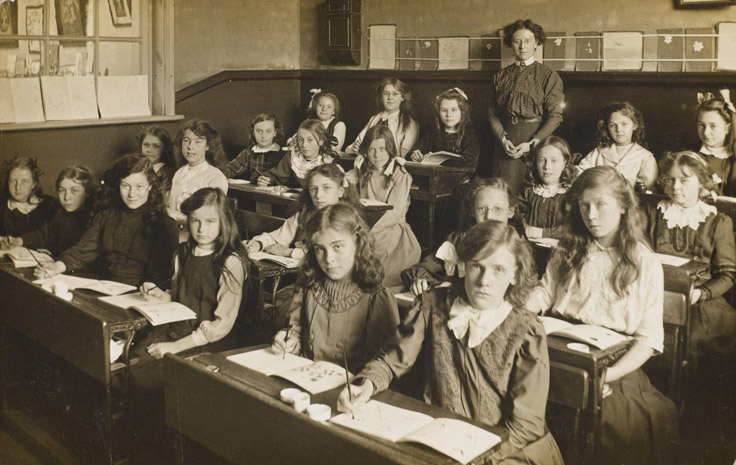
A Brief Overview Of Victorian Schools For Children

The Victorian era is packed with many histories and mysteries. One of the most historical topics that would spring up from that era was schooling.

What was schooling like for children in the Victorian era?

Believe it or not, Victorian schools are far different than schools today. In fact, let’s just say your own child wouldn’t like being in Victorian schools much. With no technology, no “fun” activities, and enforced punishments to students who defied the rules, Victorian schools differ greatly from the tech-drenched, “fun”-enforced, and lenient-punishment atmosphere of today’s schools.

This brief overview will cover the following, when it comes to Victorian schools:

  • Background
  • How rich students and poor students attended school
  • What the school “uniforms” looked like
  • What school is like, AND
  • How teachers handled punishments

A Little Background

“The Victorian era was when schools were taken seriously as institutions,” says Rose McKelvey, a history writer at State of writing and Essay Roo. “In fact, schools in the Victorian era were available to all children, regardless of one’s family’s financial situation. A law passed in 1870 required all children in Britain between the ages of 5 and 10 to attend school. However, this law was contested in 1893, when the leaving age was changed to 11 years old, since children of working parents were convinced to join the workforce instead of going to school.”

The Rich And The Poor

While very few children actually attended school, there were two different realities: the rich and the poor.

Children from rich families received homeschooling. In homeschooling, children would be taught by a governess, or a female teacher. The only notable thing here is that while boys at age 10 would go on to public schools, the girls would continue to be homeschooled.

As for the poor, children would sometimes attend church for school, despite these “schools” having limited educational resources. However, a law passed in 1880 had all children – rich or poor – attend school.

School Attire

School attire in the Victorian era left very little room for students to express themselves. The most common uniform colors were dark colors like black and brown, and dull colors like grey and white.

The girls would wear a dark knee-length wool dress, along with a white apron (tied at the back of the dress), thick black stockings, and black shoes (or boots). Boys, on the other hand, wore shirts, trousers (or shorts), and ankle boots (along with long socks), with the addition of a jacket with a waistcoat (or jumper) underneath.

What Was School Like?

In essence, schools in the Victorian era looked something like this:

  • Schools lasted until 5 PM.
  • Children sat silently in rows, as the teacher wrote lessons on the blackboard. As the teacher wrote, so did the students at their desks.
  • The main subjects taught were Reading, Writing, and Arithmetic (Math).
  • Distractions and looking out the window were discouraged.
  • Certain subjects like needlework were taught to girls. Meanwhile, other subjects like woodwork were taught to boys.
  • Students would use the following to study and learn:
    • A slate and chalk (along with a cloth to wipe their slate clean)
    • A quill pen (with an ink well) and parchment
  • Equipment in classrooms were often scarce. A classroom was often lucky to have a map of the world or an abacus for reference.

School Punishments

“Unlike today’s standards, where punishments these days are more lenient and less harsh, Victorian school punishments were more severe physically and mentally,” says Chelsea Niall, an education blogger at Boom Essays and Paper Fellows. “One of the most common forms of punishment was the use of a cane. A teacher’s cane was typically long and thin. They would use this stick to strike children on the hand for either misbehaving, being tardy to class, or for telling lies. There was also a leather strap used to beat children, or the infamous dunce’s hat which is worn by misbehaving students. Or, children were subject to writing lines, where students wrote the same sentence or phrase over and over however the teacher saw fit.”

Conclusion

As you can see, Victorian schools were worlds away from the schools that we see today. In this overview, it’s clear that Victorian schools had different values and methods, when it comes to teaching children, thus cementing themselves into a part of Victorian history.

Christina Lee is a writer and editor at Dissertation help and Write my paper. She is also a contributing writer for OX Essays. As an education blogger, she writes articles about tutoring, histories of various time periods in education, and teacher spotlights.

A Guide To Remove Stains On Clothing

1632_970133209724314_6211927822611896843_nGreat little chart that would be useful to print out and keep posted near your washing machine.

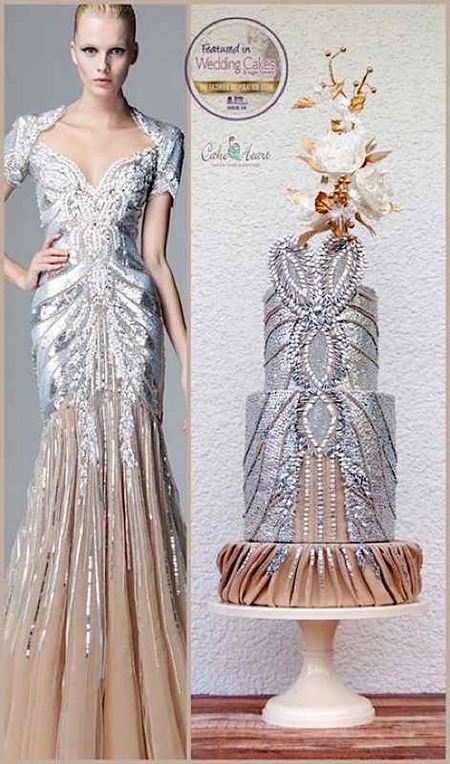
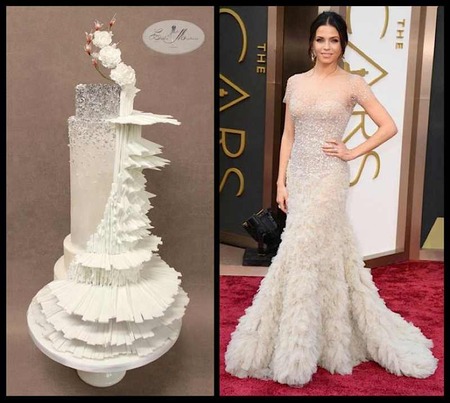
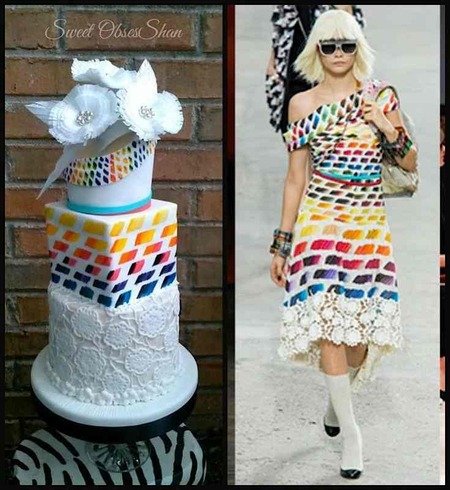
Home – Sunday Sweets Inspired By The Red Carpet!

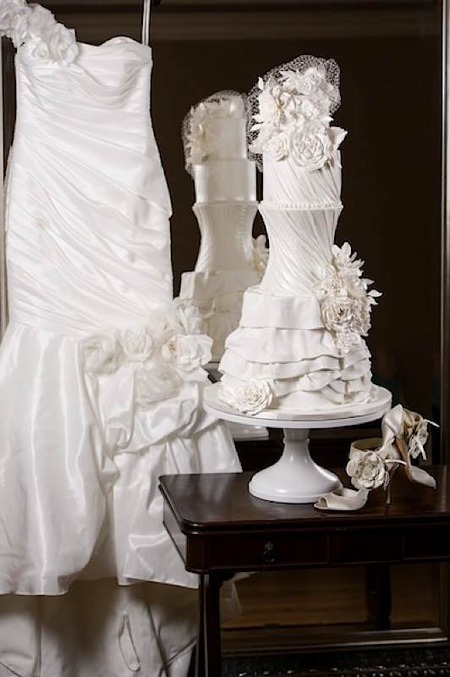
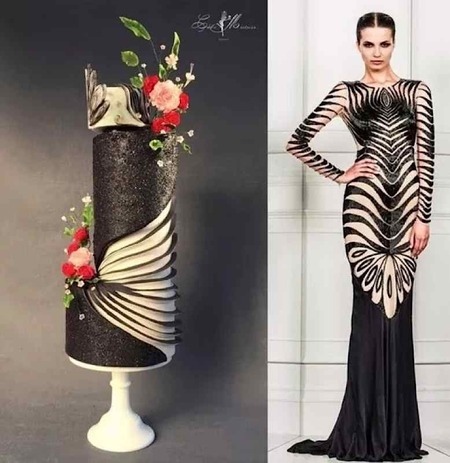
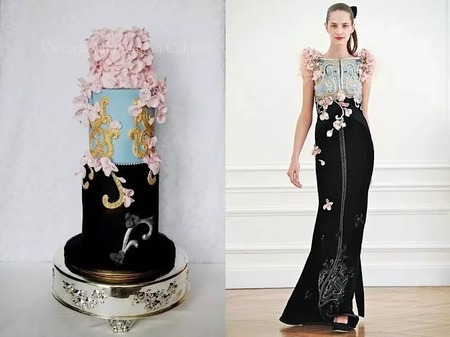
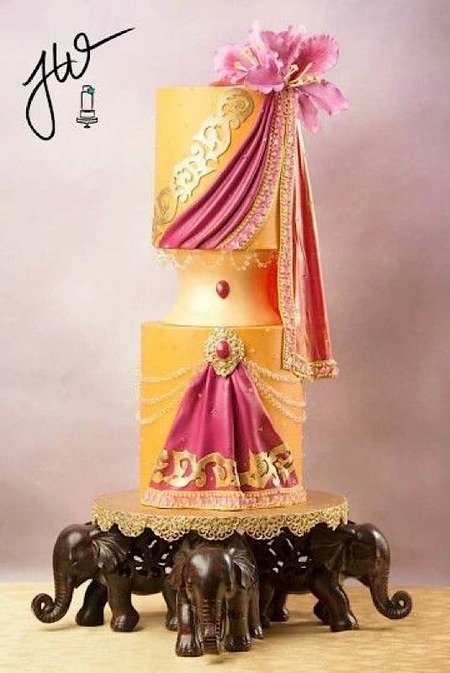
Source: Cake Wrecks – Home – Sunday Sweets Inspired By The Red Carpet!