2 Days Beofre Christmas

!!!!!2 Days Left….. Merry Christmas!!!!!
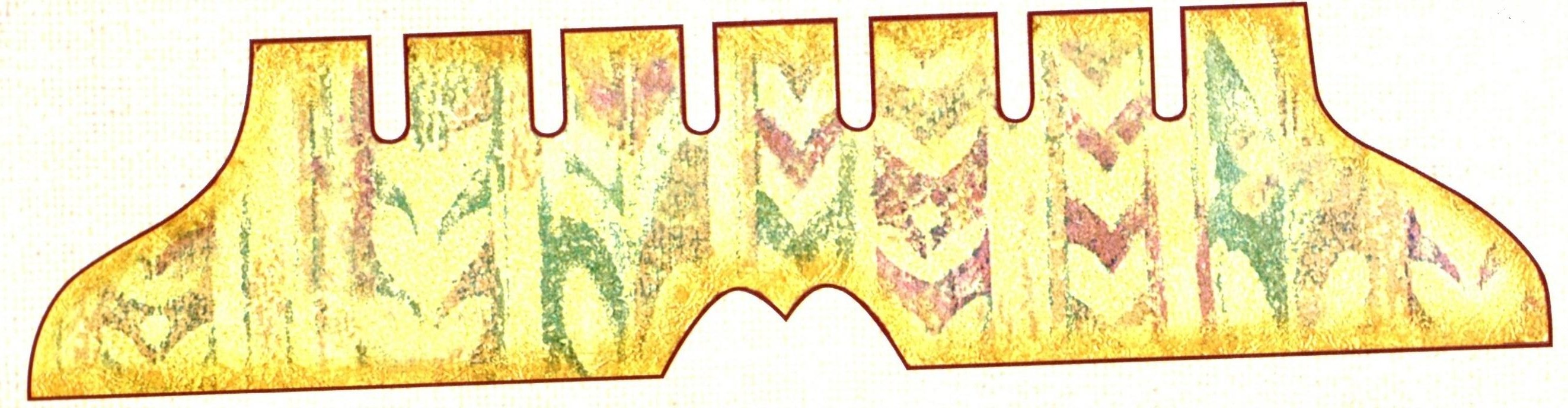
Kwanzaa Decoupaged Kinara

Materials
Pine (2″ x 1 5″ x 4″)
Decorative paper or fabric (1 5″ square)
Decoupage medium
Coordinating acrylic paint

General Supplies & Tools
Pencil
Scroll saw
Drill and W bit
Craft scissors
Paintbrushes
Brayer or large dowel
Craft knife

Instructions
1 . Enlarge Kinara pattern to desired size and copy onto pine. Using scroll saw, cut out wood. Center and drill seven W deep holes in top of holder.
2.  Cut paper or fabric slightly larger than side of candle holder. Brush liberal coat of decoupage medium onto one side of candle holder, then gently apply paper. Roll with large dowel to smooth and remove any air bubbles. Brush decoupage medium over top of paper and let dry. Using craft knife, trim excess paper from edges. Repeat process for other side, ends, and top of candle holder.
3.  Paint grooves and bottom of candle holder with coordinating acrylic paint.

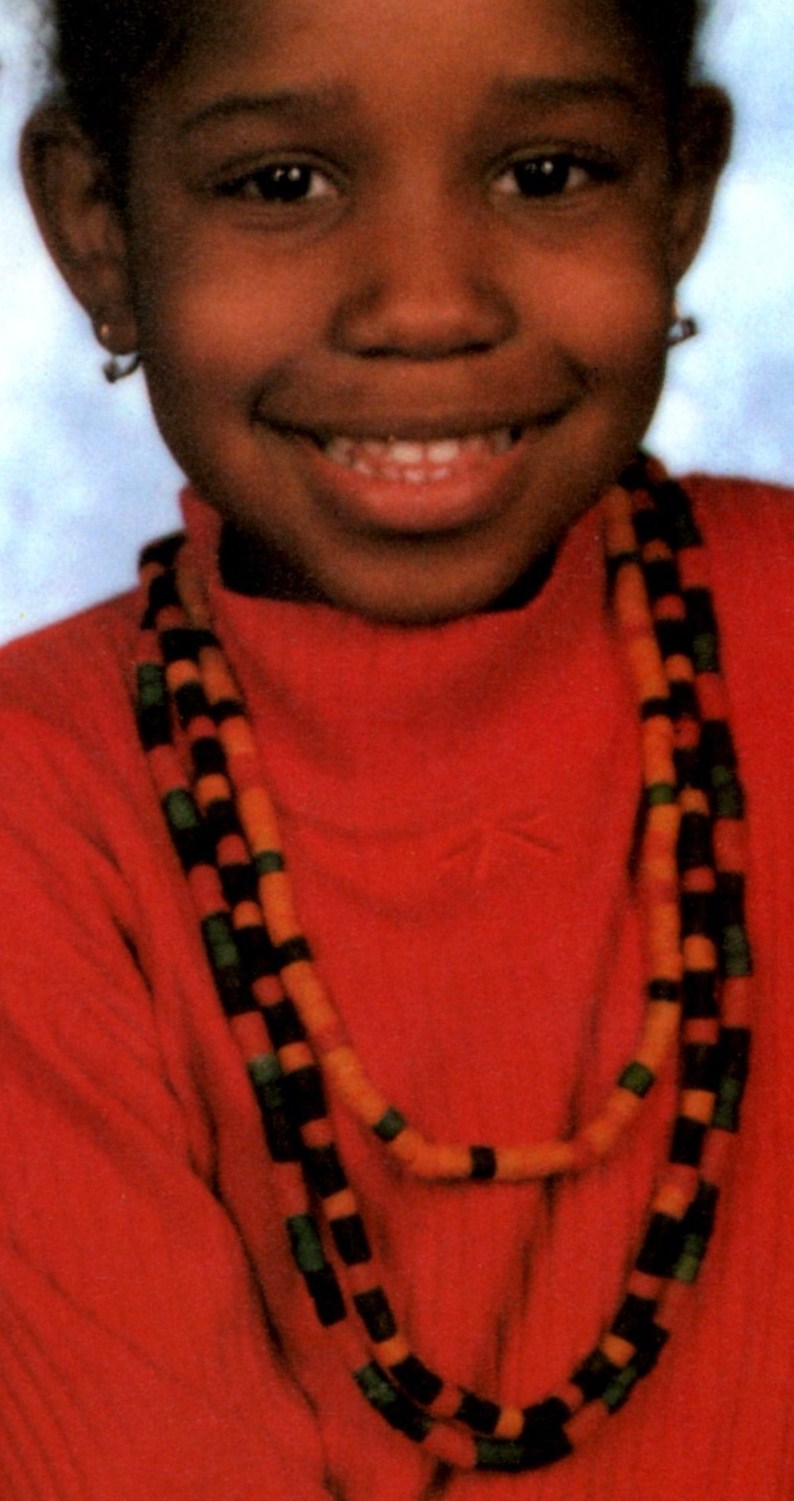
Kwanzaa Noodle Necklace

Materials
Assorted uncooked noodles
Food coloring
Elastic thread

General Supplies & Tools
Newspaper
Plastic gloves
Plastic sandwich bags
Craft scissors
Yarn needle

Instructions
1 . Cover work area with newspaper, and wear plastic gloves when coloring noodles.
2.  Place one handful of noodles in bag, using one bag per color. Sprinkle a few drops of desired food color­ing in each bag, blow in some air, twist top closed, then gently shake until noodles are evenly coated. Add more color, if needed. Leave bags open to allow noodles to dry.
3.  Cut elastic thread slightly longer than desired length of necklace, then thread elastic onto yarn needle.
4. Tie one noodle to end of elastic thread, leaving a 2″ tail, and begin beading. Mix noodle shapes and colors as desired. Untie first noodle, then tie ends of elastic thread into knot. Slip loose ends back through center of noodles to conceal.

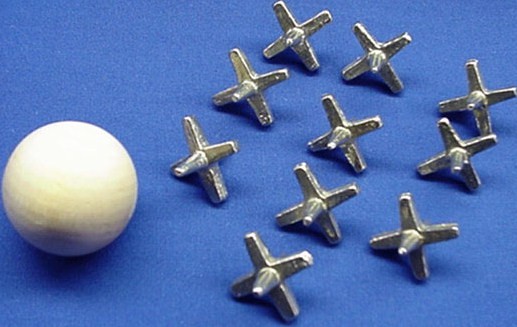
How To Play “Jacks”

WHAT YOU NEED
• A small, bouncy rubber ball
•  10 jacks
• A hard, smooth, level playing surface (floor, sidewalk, patio, or blacktop)

HOW TO PLAY
Sit on the ground and toss the jacks gently onto the playing surface.

Using one hand, gently toss the ball into the air, let­ting it bounce on the playing surface. With the same hand, pick up one jack and catch the ball before it bounces again.

Repeat until you have picked up all ten jacks. This round is called “onesies.”

Toss the ten jacks on the playing surface again.

Toss the ball into the air, letting it bounce once on the playing surface, and pick up two jacks at the same time. Repeat until you have picked up all ten jacks, two at a time. This round is called “twosies.”

Increase the number of jacks you pick up during each round until you pick up all ten jacks at once and catch the ball.

If you fail to pick up the correct number of jacks, fail to catch the ball, or drop the jacks from your hand, your turn is over and the next player goes.

When you get another turn, con­tinue where you left off. If you went out during “threesies,” toss the ten jacks, and start with “threesies.”

To make the game more chal­lenging, forbid players from touching jacks other than the ones being picked up and require players to place the jacks in their free hand before catch­ing the ball.

The first player to complete “onesies” through “tensies” wins the game.

For a variation on the game, require all play­ers to go from “onesies” to “tensies” and then back down to “onesies” again.

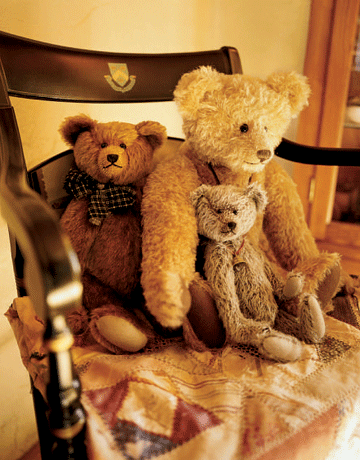
Teddy Bear History

In 1902, President Theodore Roosevelt traveled south to negotiate a border dispute between the states of Mississippi and Louisiana. During a break from the negotiations, Roosevelt accepted an invitation to join a hunting expedition in Smedes, Mississippi. After ten days of hunting, Roosevelt failed to spot a single bear. His hosts, hoping to please the President, searched the woods, found a small bear cub, tethered it to a tree outside Roosevelt’s tent, and cried “Bear!” to beckon the president. Roosevelt emerged from his tent, took one look at the frightened cub, and refused to kill such a young animal.

Newspapers reported the event. In the Washington Star, political cartoonist Clifford K. Berryman drew a caricature of Roosevelt with his hand upraised,
refusing to shoot the cud­dly bear cub. The caption read “Drawing the Line in Mississippi,” clev­erly referring to the unresolved border dispute.

Inspired, toy store owner Morris Michtom, a thirty-two-year-old Russian immigrant, made a stuffed bear cub and dis­played it alongside the political cartoon in his store window in Brooklyn to generate attention. When customers wanted to buy their own “Teddy’s Bear,” Michtom began making them, founding the Ideal Toy Company.

Meanwhile in Germany, Richard Steiff, a nephew of stuffed toy maker Margarete Steiff, similarly inspired by Berryman’s political cartoon, created his own stuffed bear toy. Launched at the 1903 Leipzig Trade Fair, Steiff’s bears also began selling quickly.

In 1906, guests at a White House wedding reception for Roosevelt’s daughter discovered tables decorated with Steiff bears dressed as hunters and fishermen as a tribute to the President’s love for the outdoors. While mulling over the possible breed of the animals, a wedding guest clev­erly labeled them “Teddy Bears.” In 1907 alone, Steiff produced more than 974,000 Teddy Bears.