5 Gorgeous Gifts For The Interior Design Fanatic In Your Life

When you visit a person’s home and stand in awe of the immaculately detailed decoration of their living space, you can safely assume that this person loves anything and everything related to interior design.

https://unsplash.com/photos/sM2nqDvg0AM

If you have such a person in your life who often redesigns their rooms and is always on the lookout for unique home furniture and decor, you should appreciate their aesthetic sensibility. When it’s time to give that person a present, it’s a no-brainer that you should give them an interior decor item. But what?

A generic decor item won’t do. You have to ensure your gift suits their style and their home. Here are five home design gift ideas to please anyone’s interior design tastebuds.

1. Classic Wall Clock
https://unsplash.com/photos/5XO2XlW5vMo

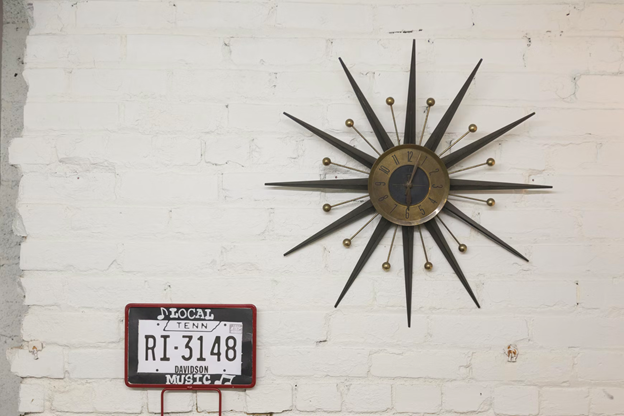
A nice big clock is elegant and practical for any room of the house. A wall clock can serve as a decorative accent to fill up any empty wall space. Although we have the convenience of checking the time on our electronic screens, it doesn’t compare with a grand, artistic display of time.

There are a few aspects to consider, first the size of the clock. For an accent piece, choose something smaller, within the 10-18 inch range, but for a statement piece, go for a larger clock, between 24-30 inches. When it comes to materials, you can go the less expensive route with plastic, or choose a higher quality and price tag material like wood or metal.

The material you choose affects the styles available. You can select something modern with a metallic frame or something traditional with a natural design. Try to choose a color that will blend with the decor of any room. Neutral colors like white, beige, gray, and black are best. Natural colors of wood and metal are also safe choices.

2. Intriguing Showpieces

A showpiece can be the perfect gift for someone who has shelves and cabinets decorated with quirky items. Unique and interesting showpieces add a touch of detail and character to a place and reveal the interests of the homeowner.

One home decor tip when shopping for a showpiece for someone else is to buy something that matches a showpiece they already have. For instance, if someone is into animal figurines, you should get them a similar kind of showpiece. That way, you can be sure that they’ll like your gift and it will fit with the rest of their decor.

3. A Unique Vase

Displaying fresh (or artificial) flowers in a vase can enliven any room. But vases are not just for bouquets anymore. According to modern home decor conventions, a unique vase can also serve the function of a showpiece. It can fill up empty surfaces, draw the eye to a piece of furniture, and add charm to the space.

There are several vase shapes available, from bottleneck to flared, footed to cube, centerpiece to minimalist and more. Before picking out a vase, take a look at the decor styles already in the home and make sure your choice will compliment them.

4. Photo Frame with a Personal Memory
https://unsplash.com/photos/2OnjI-g712g

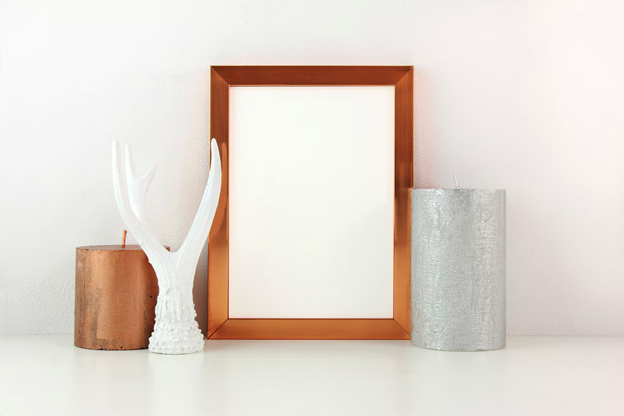
Nothing makes the heart grow fonder of a gift than a touch of personalization. A photo frame with a picture of the two of you can be a personalized housewarming gift that will remain timeless. The best part of a framed photo is that the picture takes the center stage. If you choose a picture that has captured a memory both of you cherish or simply a picture you know they will like, the gift immediately becomes valuable, no matter which kind of frame you put it in.

Having said that, it’s still necessary to go with a frame that complements the picture. An easy way to do this is to match the color and tone of your frame with the color palette of the picture. Go for a simple, understated style if you are unsure about opting for something more bold. The perfect gift is a personal thing, so consider getting the frame engraved with the date of the photo within.

5. Meaningful Antiques

This is a bit of a niche choice of gift, but it can be a treasure trove for someone who is into antiques. Including antique pieces in your living space adds an archaic aesthetic to a modern home. For some people with more traditional and rustic homes, antiques will complement the home well.

There are multiple considerations to be made while buying antiques, especially if you are making an expensive purchase. Since these will be used, vintage items, you might have to do some restoration as well. Buy something small and manageable if this is your first time.

Make Each Gift Count

There are only two rules for buying interior design gifts for someone—know the person’s taste and know their home. If you can look at a gift and immediately tell whether it will fit into their home and their general style, you’re on the right track! If not, the best way to find out is to experiment. Either way, what makes your gift valuable is how much thought you put into it.
 

How to Go Grocery Shopping Sustainably

https://pixabay.com/photos/supermarket-stalls-coolers-market

Going zero-waste might be the right thing to do for the planet, but it is certainly not the easiest to accomplish. Almost every grocery store you visit will have food packaged and stored behind layers and layers of plastic. Most foods are produced with high carbon emissions. It costs both your wallet and the planet way more than it should.

Practicing sustainable measures while grocery shopping is the only solution to this lifestyle problem that impacts Earth as much as it impacts us. To make your journey towards a sustainable life more accessible, there are 8 tips you can follow. Let’s dive in.

1. Bring Your Own Reusable Bags

Statistics suggest that nearly 40% of all the plastic produced every year is single-use plastic used for packaging. This kind of plastic is really difficult to recycle as it gets tangled in the machinery and interferes with robotic sensors used in the recycling process. Their obvious fate is ending up in landfills and water bodies where they have detrimental impacts on the environment.

Each time you purchase something that uses single-use plastics, you contribute to the growing plastic crisis. Bringing your own grocery shopping bags really pays off in this scenario. If you resolve to bring your own reusable bags and containers, you can say “no” to single-use plastic every time while grocery shopping. With a few storage and organization tips, incorporating reusable bags and containers into your life can be easy as pie.

2. Buy Loose Produce

While we’re on the topic of plastic packaging, you should know that using reusable bags only works when you buy loose produce. Putting a container of packaged vegetables or meat in your tote bag defeats the purpose. You are still creating significant plastic waste. To prevent this, visit stores that contain fresh, unwrapped foods.

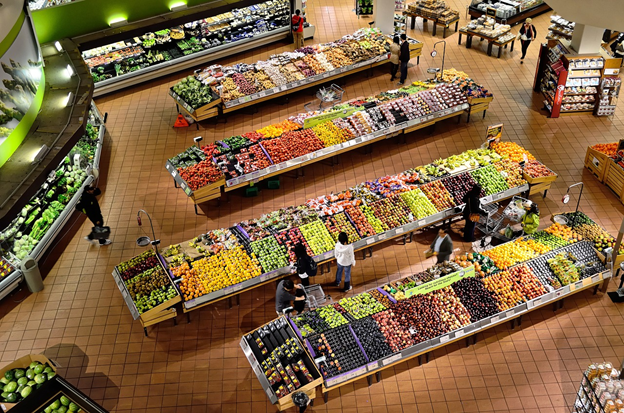
Buying loose produce helps you control the amount you want to buy and save money in the process. In organic stores, you will find a wide range of loose products — fruits, vegetables, spices, pasta, cereals, rice, biscuits, and much more! In a supermarket, however, most of these products will be wrapped in plastic.

3. Steer Clear of Processed Food

How much do you pay for packets of chips, biscuits, or cookies per month? $20? $50? More? Try spending that amount on buying whole, raw ingredients. You’ll easily make twice as much food that’s thrice as healthy!

It’s called “shopping the perimeter”. When you shop the perimeter, you buy your cheese and pasta separately instead of buying a box of microwaveable mac and cheese. Better yet, make your own pasta from scratch!

Processed food comes with a lot of drawbacks: huge carbon footprint, higher costs, loss of nutrients, unhealthy additives, and excessive packaging, just to name a few. These impair your health, tarnish the environment, and snowball your grocery bill. You can live a much healthier life by sacrificing snacks and easy food options for more healthy recipes.

4. Opt for a Plant-Based Diet

Does making your own pasta sound like an odious task to you? Were you thinking of veering towards meat more? If so, think twice! Eating a predominantly animal-based diet can be even more detrimental than eating overly processed food.

Plant-based foods have a smaller carbon-footprint. Most animal-based foods are way more resource intensive and harmful for the environment. A study found that beef production requires 20 times more land and emits 20 times more greenhouse gas than common plant-based protein sources such as beans, peas and lentils. Chicken and pork require thrice the amount of resources as plants.

5. Read the Labels

Labels can reveal so many secrets about how the food is produced and the impact it has on the environment. Not all processed food and meat out there hurts the planet. Some of it is responsibly and consciously produced. Certain food labels can certify that. Lookout for trustable certifications like Fair Trade, American Grassfed, Organic, Bird Friendly, Animal Welfare Approved, Safe Catch, BPI Compostable, Non-GMO, and so on. Eat responsibly!

6. Shop Local and In-Season

Food can have a high emission tag if it is transported from somewhere far away or exported from another part of the world. This is often the case when we try to eat fruits or vegetables that are not in season. This means more energy consumption, higher carbon emission, and outrageous prices.

If you eat what is locally grown around you, you consume food with negligible carbon emissions and low prices. Shopping from your local farmers’ market is a great way to start.

7. Know Your Plastics

Sometimes, purchasing items with plastic packaging is unavoidable if you do not have any plastic-free alternatives at your local grocery stores. In such dire scenarios, check the plastic resin identification number. It’ll be a small code inside of a triangle. This symbol reveals which type of plastic is used to make a packaging material.

Always go for HDPE (high-density polyethylene) and PETE (polyethylene terephthalate) plastics since they are more easily recyclable than other kinds of plastic. Learn more about recycling and upcycling to keep yourself updated about ways you can repurpose plastic containers.

8. Always Carry a List and Never Go In Hungry

Going grocery shopping without a list is how you get confused. Going in hungry is how you lose focus and self-control. The result is buying a bunch of stuff you don’t need. Overbuying leads to food wastage. Annually, Americans waste 30-40% of the US food supply. You sure don’t want to contribute to this number.

Happy Shopping!

https://pixabay.com/photos/shop-supermarket-grocery-cart-4527402/

If you’re already living a pretty sustainable lifestyle, the above tips will only add to it. And if your next grocery trip is going to be your first attempt at being sustainable, following these tips will make for an effortless transition into this lifestyle. Either way, more power to you!


Author Bio:

Carolyn Mitchell is a freelance writer and content strategist with a passion for home décor. She can often be found re-painting and updating the furnishings in her home, and she is also a dedicated cat mom to two adorable kitties.


How To Go Grocery Shopping Sustainably

https://pixabay.com/photos/supermarket-stalls-coolers-market-949913/

Going zero-waste might be the right thing to do for the planet, but it is certainly not the easiest to accomplish. Almost every grocery store you visit will have food packaged and stored behind layers and layers of plastic. Most foods are produced with high carbon emissions. It costs both your wallet and the planet way more than it should.

Practicing sustainable measures while grocery shopping is the only solution to this lifestyle problem that impacts Earth as much as it impacts us. To make your journey towards a sustainable life more accessible, there are 8 tips you can follow. Let’s dive in.

1. Bring Your Own Reusable Bags

Statistics suggest that nearly 40% of all the plastic produced every year is single-use plastic used for packaging. This kind of plastic is really difficult to recycle as it gets tangled in the machinery and interferes with robotic sensors used in the recycling process. Their obvious fate is ending up in landfills and water bodies where they have detrimental impacts on the environment.

Each time you purchase something that uses single-use plastics, you contribute to the growing plastic crisis. Bringing your own grocery shopping bags really pays off in this scenario. If you resolve to bring your own reusable bags and containers, you can say “no” to single-use plastic every time while grocery shopping. With a few storage and organization tips, incorporating reusable bags and containers into your life can be easy as pie.

2. Buy Loose Produce

While we’re on the topic of plastic packaging, you should know that using reusable bags only works when you buy loose produce. Putting a container of packaged vegetables or meat in your tote bag defeats the purpose. You are still creating significant plastic waste. To prevent this, visit stores that contain fresh, unwrapped foods.

Buying loose produce helps you control the amount you want to buy and save money in the process. In organic stores, you will find a wide range of loose products — fruits, vegetables, spices, pasta, cereals, rice, biscuits, and much more! In a supermarket, however, most of these products will be wrapped in plastic.

3. Steer Clear of Processed Food

How much do you pay for packets of chips, biscuits, or cookies per month? $20? $50? More? Try spending that amount on buying whole, raw ingredients. You’ll easily make twice as much food that’s thrice as healthy!

It’s called “shopping the perimeter”. When you shop the perimeter, you buy your cheese and pasta separately instead of buying a box of microwaveable mac and cheese. Better yet, make your own pasta from scratch!

Processed food comes with a lot of drawbacks: huge carbon footprint, higher costs, loss of nutrients, unhealthy additives, and excessive packaging, just to name a few. These impair your health, tarnish the environment, and snowball your grocery bill. You can live a much healthier life by sacrificing snacks and easy food options for more healthy recipes.

4. Opt for a Plant-Based Diet

Does making your own pasta sound like an odious task to you? Were you thinking of veering towards meat more? If so, think twice! Eating a predominantly animal-based diet can be even more detrimental than eating overly processed food.

Plant-based foods have a smaller carbon-footprint. Most animal-based foods are way more resource intensive and harmful for the environment. A study found that beef production requires 20 times more land and emits 20 times more greenhouse gas than common plant-based protein sources such as beans, peas and lentils. Chicken and pork require thrice the amount of resources as plants.

5. Read the Labels

Labels can reveal so many secrets about how the food is produced and the impact it has on the environment. Not all processed food and meat out there hurts the planet. Some of it is responsibly and consciously produced. Certain food labels can certify that. Lookout for trustable certifications like Fair Trade, American Grassfed, Organic, Bird Friendly, Animal Welfare Approved, Safe Catch, BPI Compostable, Non-GMO, and so on. Eat responsibly!

6. Shop Local and In-Season

Food can have a high emission tag if it is transported from somewhere far away or exported from another part of the world. This is often the case when we try to eat fruits or vegetables that are not in season. This means more energy consumption, higher carbon emission, and outrageous prices.

If you eat what is locally grown around you, you consume food with negligible carbon emissions and low prices. Shopping from your local farmers’ market is a great way to start.

7. Know Your Plastics

Sometimes, purchasing items with plastic packaging is unavoidable if you do not have any plastic-free alternatives at your local grocery stores. In such dire scenarios, check the plastic resin identification number. It’ll be a small code inside of a triangle. This symbol reveals which type of plastic is used to make a packaging material.

Always go for HDPE (high-density polyethylene) and PETE (polyethylene terephthalate) plastics since they are more easily recyclable than other kinds of plastic. Learn more about recycling and upcycling to keep yourself updated about ways you can repurpose plastic containers.

8. Always Carry a List and Never Go In Hungry

Going grocery shopping without a list is how you get confused. Going in hungry is how you lose focus and self-control. The result is buying a bunch of stuff you don’t need. Overbuying leads to food wastage. Annually, Americans waste 30-40% of the US food supply. You sure don’t want to contribute to this number.

Happy Shopping!

https://pixabay.com/photos/shop-supermarket-grocery-cart-4527402/

If you’re already living a pretty sustainable lifestyle, the above tips will only add to it. And if your next grocery trip is going to be your first attempt at being sustainable, following these tips will make for an effortless transition into this lifestyle. Either way, more power to you!


Author Bio:

Carolyn Mitchell is a freelance writer and content strategist with a passion for home décor. She can often be found re-painting and updating the furnishings in her home, and she is also a dedicated cat mom to two adorable kitties.

The Modern Rules Of Choosing A Style For A Rug

With spring bringing in a new wave of good, sunny vibes to your day-to-day, you’re ready to add those same vibes to your favorite place—your home sweet home. And a new rug can go a long way in chasing out those winter blues and making your retreat space look and feel brand new.

Not so fast, though.

Not all rugs are perfect for every home situation. You don’t want to buy a huge rug that you’ll have trouble placing in your living room. And the last thing you want is a rug that adds an unwanted aesthetic to your space. On the contrary, the right rug can instantly add definition and color to your established decor, whether it’s a captivating modern one or an elegant traditional one.

The question is, with the wide range of rug materials, colors, and styles available today, how can you go about choosing the right rug style for your home?

Here’s a rundown on the top modern rules of choosing a style for a rug this spring.

Don’t Go Too Big

Size matters when you’re selecting a rug for your room. For example, if you have a tiny apartment with several pieces of statement furniture or eclectic objects in it, you don’t want a rug that will overpower your space. So, before you shop, be sure to measure the area in which you will be placing your rug.

As a general rule of thumb, your rug should cover the width and length of your furnishings if you’re placing it in your family room. A 5’ 0” x 8’ 1” rug or a 6’ 3” x 9’ 11” rug is typically a great size for clustering furniture around in an intimate space. If you wish to expand this space, choose a bigger size that will outline your area’s perimeter.

In your dining room, the rug you select needs to be big enough to provide ample space for your chairs, even after they’ve been pulled out from your table. So, measure your dining table and then add two feet to determine the best rug size for this space.

Also, in a space where your floor is wooden, try to keep between 18 and 24 inches of wooden flooring around your room’s perimeter. 

Consider Your Lifestyle

Think about how you plan to use the space where your new rug will go. Perhaps you plan to put the rug in an area that receives high traffic, like a family room or hallway. Or, maybe you have pets or young children? If so, look for luxury rugs that are simple to clean and durable, like wool rugs. And try to stick with a rug that is dark enough to hide dirt or stains.

Perhaps you’re planning to place a new rug in your home office. Create a sophisticated and classically elegant work from home space with a bamboo silk rug.

Online School Living Room Children – Free photo on Pixabay

Create the Right Mood

In addition to considering the usability of your space, think about the type of mood you want to create in your space when purchasing a rug. A rug anchors a room, so the style and color of your rug plays a major role in establishing its mood.

For instance, stick with rich, dark hues to define an intimate space. Meanwhile, choose light colors to make a tinier space look larger. Also, spicy colors—like red, yellow, or orange—add warmth to a room, whereas cool colors help to create a calm feeling, particularly in a space that is sunny.

However, as you search for rugs of certain colors, keep in mind that your target rug should ideally complement your room’s 2-3 main hues. As an example, you could choose a rug whose pattern’s secondary color matches your couch’s solid color. Then, try to make the rug’s third color match your room’s accents, like the wall, drape, or throw pillow color. This will help to tie your room’s look together.

Of course, you don’t always have to go with patterned rugs. Solid-colored rugs also work well in rooms, especially if your rooms’ primary furnishings are upholstered in patterns or feature elaborate designs.

Don’t Put a Pause on Patterns

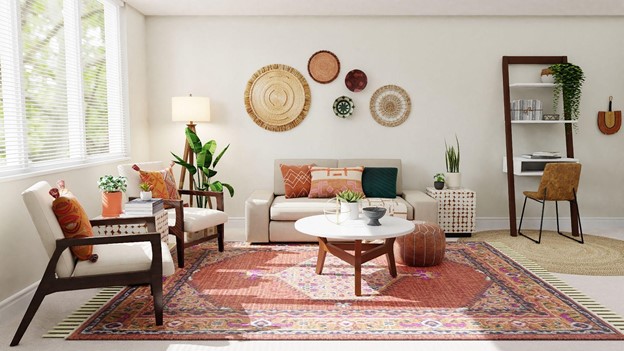
Let’s dive into patterns a bit more. Patterned rugs are generally an excellent choice if you want to create an eclectic look in your room. Your patterns will instantly become the room’s primary focal point. For instance, feel free to choose rugs with floral or even zigzag spiral patterns. You can also choose rugs with more subtle patterns if you’d rather not harshly define the space.

Living Room Luxury House – Free photo on Pixabay

Choose the Perfect Rug for Your Space This Spring

Rugs have always been and will always be one of the most quintessential decorative accessories due to their ability to add warmth and personality to any room. But choosing the right rug—one that won’t take up an exorbitant amount of space, for example—is critical for making your dream look and vibe for your room a reality.

Consider the above-listed modern rules for choosing a rug that fits your style and your room’s layout this spring. In no time, you can bring comfort, coziness, and a chic ambiance to your living space this spring!


Author Bio:

Carolyn Mitchell is a freelance writer and content strategist with a passion for home décor. She can often be found re-painting and updating the furnishings in her home, and she is also a dedicated cat mom to two adorable kitties.

How To Amp Up Your Small Rental Apartment

https://unsplash.com/photos/85pCvDWDMmI

Renting a new apartment is an exciting opportunity for decorating your place in a way that lets your personality shine through. Even if the rental apartment is small, there’s no reason to compromise and not go big on style. Depending on the type of apartment you have and your own personal taste, there are tons of ways to decorate your living space! We have a few ideas on how to amp up your small rental apartment.

Lighting

One of the best places to start with when it comes to amping up an apartment is the lighting. Picking the right set of lights can give your room a defining character and become the standard by which you add the next set of furniture and decor.

If you’ve been staying up to date with lighting trends, you’ll know that certain styles of lighting can trick visitors into thinking the space is much larger than it actually is. Ceiling fixtures that hang down draw the eyes upwards and open up your apartment in a way that makes it feel larger than it actually is. If you have permission to swap out your ceiling fixtures, this is a great place to start!

As for floor lighting and lampshades, you’ll want to go for softer, more incandescent lights as they make your room feel inviting and warm, as opposed to colder tones that can often appear uninviting.

Lastly, an aspect of lighting that many people don’t quite appreciate enough is reflections. Intelligently using mirrors both as decor and as an instrument to complement and improve lighting in your apartment can go a long way in creating a more open, brighter space that radiates positive energy. You’ll want to place mirrors directly in the path of light coming in from the windows to bounce the light around and give the impression of a larger room.

It’s The Small Things

Contrary to popular belief, it’s not always big statements like oversized doors and beds that give small apartments character and size, but rather tiny items that can make a big impact. Attention to detail goes a long way in spicing up any apartment and every little change you make counts.

A great place to start here is with doorknobs. It might sound random, but they’re actually one of the items we interact with the most in any home. Rustic door knobs can add a unique life to your apartment, and convey a thoughtful, nostalgic sense of style with just a glance. Certain well-crafted door knobs also combine form and function by being incredibly appealing to look at and use, as well as secure thanks to modern locking technology. If you have permission to change out your doorknobs, this small change can make a large visual impact.

For even smaller apartments that might not even have doors to open, there are still several things that you can do to enlarge and beautify the space. A common piece of decor that people use in small apartments is a glass partition. Adding a glass partition is an ingenious idea for small studio apartments that often have just one room to boast of. Partitions stretch small spaces while still allowing for light to pass through. For apartments that might not be able to accommodate glass partitions, consider a foldable wooden divider. These serve a similar purpose, and can even be a better fit aesthetically for some apartments depending on lighting and other decor.

https://unsplash.com/photos/GqbU78bdJFM

Work With The Bed

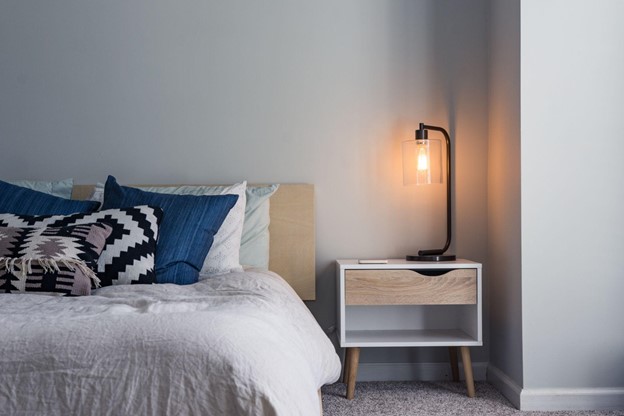
Smart home design in small apartments revolves around intelligently managing bedroom decor. Since beds take up a large amount of the limited space available to you, how you decorate and use it can have a big impact on your quality of life. For starters, using trundle or retractable beds that you can use as a sofa or slide away when not in use is a common sight in smaller apartments.

As for decor, certain visual tweaks like using bright and bold handmade pillow covers is an easy way to make a statement. You can pair these with a comfortable and slim duvet that folds up easily into your bed’s storage for clever space management.

Utilizing Space

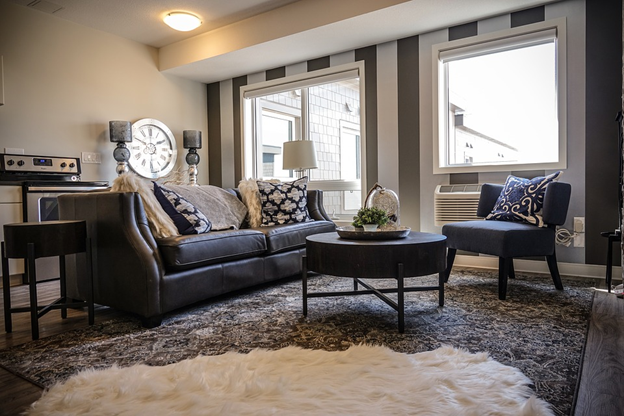
Renting out a small apartment, even one that’s been renovated recently, comes with its own quirks. These quirks take the form of unique nooks and crannies that you can take advantage of to make your space your own. A common example of this, particularly in cramped cities like New York, are the tiny alcoves below the windows found in small apartments. Adding a small couch or table here can do a lot to create a cozy space for you to inhabit.

Living Large

Being smart about how you decorate and use your small rental apartment is all it takes to make the most of what you have. Use your apartment’s unique features and accent them with subtle decor to live larger than ever before.


Author Bio:

Carolyn Mitchell is a freelance writer and content strategist with a passion for home décor. She can often be found re-painting and updating the furnishings in her home, and she is also a dedicated cat mom to two adorable kitties.