Plants And Fish That Bring Life To Victorian Homes

If you own a Victorian style home, you likely want a decor that matches the period design of your home. When it comes to decorations that bring life to a home, you may wonder what clashes with the time period your home represents, and what matches. Aquariums are a classic addition to Victorian homes and match the upholstery just as much today. Wisteria and jasmine, classic climbing plant life, are also classic imagery around Victorian homes both new and old.

Cradle graves for interior design

Cradle graves, a name for potted or container-held plants, are a classic staple of Victorian design. Victorian design reached many points across the world, and in colonial America in particular, cradle graves were said to be especially numerous around Victorian styled homes. The fact that these plants are meant for planters means they’re easy to add to the interior of your home, brightening up rooms and adding new colors with a variety of different plant life.

Add vines and climbing plants to the exterior

If you’re thinking about the outside of your home, climbing plants like spreading wisteria are classic Victorian design elements. Wisteria tends to support itself with the walls and fences of Victorian homes and can be a great way to cover an otherwise bland side of your home’s exterior. Another popular vine that can match a Victorian home’s exterior is jasmine. A combination of the two can bring colorful purples and standout whites to a garden around your home.

Aquariums and Victorian design

If you’re more interested in the wildlife you can bring into your home, know that aquariums and Victorian homes have a long and storied history. Many Victorian homes had and have elaborate aquariums to show off exotic fish and aquatic pets. William Alford Lloyd was the first professional aquarist and popularized the idea of aquariums in Victorian homes across England. To him, oysters, lobsters, and exotic fish were all worthy additions to a Victorian home.

Victorian homes are rich with history, but that doesn’t mean they shouldn’t be bustling with a variety of living things as well. Vines and climbing plants like wisteria and jasmine are classic additions to any Victorian home. Aquariums are also an idea that Victorian era noblemen made their own, and match the storied design of these homes.  And cradle graves, or potted plants, have been used to add color to Victorian home interiors for more than two centuries now.

Ways to Modernize Your Victorian Home 

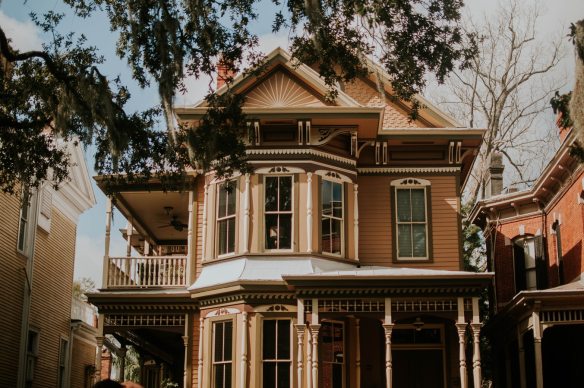
The best part about older, traditional homes is their character. The aged interior and exterior characteristics often date the rooms and inspire a lovely sense of nostalgia. Victorian homes, especially, are known for their unique features, including complex and decorative interior trims, steep pitch roofing and asymmetrical architectural details. Still, there’s no reason why your Victorian home has to remain fixed in the 1850’s. Instead, there are many simple ways to modernize your old Victorian in a way that brings your rooms into the 21st century. Your new “Modern Victorian” home will look fantastic, emphasizing both the Victorian-era characteristics and some chic, contemporary designs, too.

Bring Your Fireplace into the 21st Century

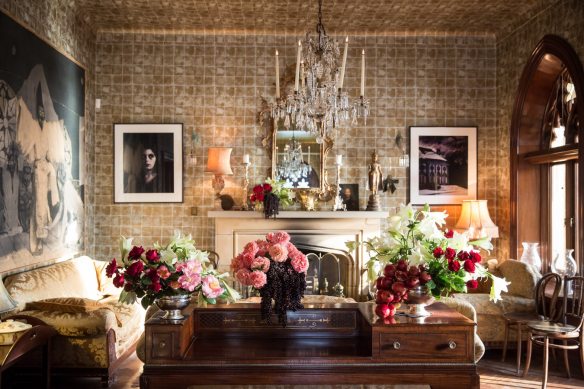
Fireplaces will either instantly date or modernize a space. Victorian-era fireplaces can make a room feel heavy, dark and extremely traditional, so why not renovate it to make it look a little more contemporary? By installing a wall-hanging model that’s electric or ethanol burning, you can integrate a chic, simple design that will make the space look entirely fresh. Modern fireplaces, even in a room with other Victorian elements, will give the entire ambiance of the space a renewed feel.

Install Modern Light Fixtures 

Another way to showcase the old architecture of your Victorian home in a creative, 21st century style is to install modern lighting. While not all modern light fixtures will fit with Victorian designs, something that is more mid-century modern or Scandinavian modern will do the trick. Remember to mix old with new and new with old. Mixing the styles of lighting and eras will lead to a unique final product that flows together in a contemporary fashion.

Incorporate Cutting-Edge Artwork 

A final idea for modernizing an older home like a Victorian is to incorporate some interesting, engaging, cutting-edge art pieces. Picture this: You have a classic Victorian room that’s square and lined with dark wooden trim, and you add a colorful, abstract painting to the middle of a white wall. The artwork will instantly raise the level of your home’s aesthetic and make it more intriguing, rather than classical or predictably Victorian. Just because the architecture looks one way doesn’t mean that every detail in the interior of your home has to reflect the era.

By installing a wall-mounted fireplace, hanging some modern light fixtures and incorporating cutting-edge artwork, you can revamp your Victorian home and transport its interior design into the 21st century.

How To Create A Victorian-Style Bathroom

An extreme bathroom encounter is effortlessly refined. What’s more, it doesn’t really need to be a risk everything expensive activity, nor does it need a conspicuous, push button House of Tomorrow look. In the case of redecorating, renovating, or assembling, you can stick to all around perceived and acknowledged conventions with productive and compelling bathroom fixtures. A great part of the room’s style serves crucial capacities. From spigot to sink, tub and shower, to the can and frill, decorative and utilitarian fixtures will offer an ideal and powerful bathroom encounter that will enhance the way you live. With regard here is a guide to creating a Victorian-Style Bath

How to come up with a Victorian-Style Bath

Go for an independent bathtub

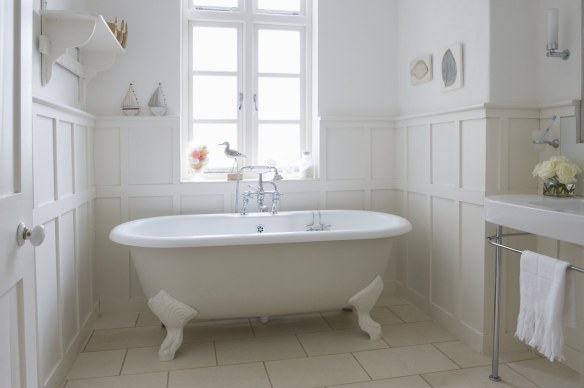
The independent bathtub is one of the features of the Victorian bathroom. The tub, which has an inside and out complete, can be put any place, even against the divider if space is an issue or in a more focal zone.
1914742

In any case, the unsupported shower puts forth a solid visual expression.

In spite of the fact that this bathtub comes in many different shapes and sizes, from rectangular to oval, the Victorian bathtub, for the most part, paints the town and hook detail, which goes back to the period which made it renowned – a period when the gentry felt that it was the decision of bathroom.

Examine your selection of mixers

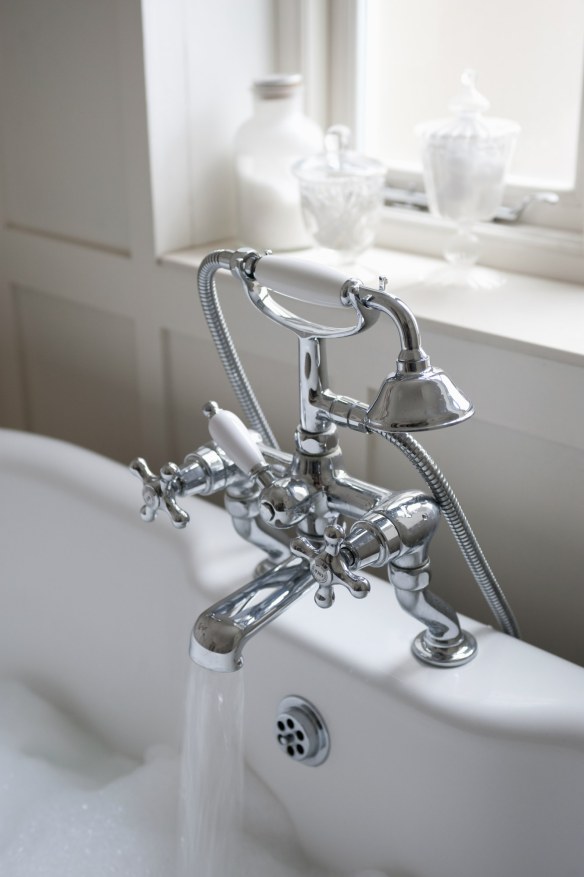
The shower offers a rich effortlessness and is often joined by an independent blender. Mixers arrive in an assortment of styles, with the Victorian-styled blender having an extraordinary handle detail, which adds to the appeal of this period setting.
1914779

The shower offers an exquisite straightforwardness and is often joined by an independent blender. Mixers arrive in an assortment of styles, with the Victorian-styled blender having an uncommon handle detail, which adds to the appeal of this period setting.

Trimmed fixtures and spouts could likewise be used as an exquisite option.

Look for capacity openings

While the shower does not offer to stockpile, this may effectively be tackled with a shower retire or recessed divider. Another flawless arrangement lies in the shower caddy, which offices are stockpiling for all your bathroom toiletries. With the caddy set up, you can be rest guaranteed that all your bathroom and care items will be advantageously at a careful distance.

Consider having a place to sit

Giving a seat a pad in nonpartisan shading that supplements the shower won’t just add enthusiasm additionally to the room but likewise, give a feeling of extravagance. The seat might be situated near the shower, making a spa-like impact which likewise includes a component of the surface through its delicate material. The shade of the material can be helped through feathery towels too to make a consistent solidarity.

There are many different choices for flooring. Finished porcelain tiles can give a marble look while wooden floor framing or clay tiles with a wood grain additionally function admirably with both the bathtub and the style.

And a la mode table is an absolute necessity

Present a side table in somewhat darker shading to that of the shower. This differentiation additionally features the shower. The table can fill in like a bathroom vanity, which can be upgraded by embellishments like blossoms in a vase or situating a side mirror on the vanity counter.
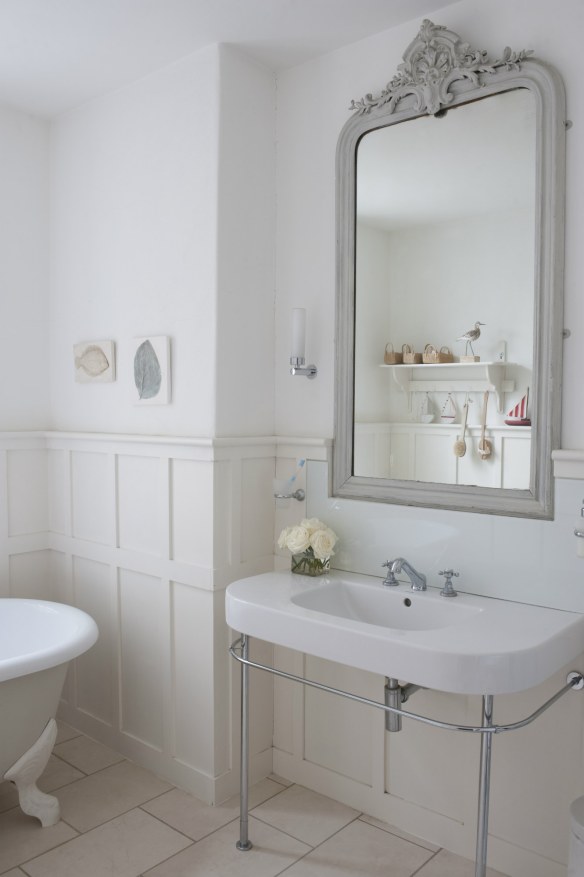
1914756

Utilizing a divider reflect with a fancy casing will likewise make a state of intrigue and strengthen the bathroom subject.

Settle on floor alternatives

There are many other choices for flooring. Finished porcelain tiles can give a marble look while wooden floor framing or fired tiles with a wood grain likewise function admirably with both the bathtub and the style. This decision of flooring makes a complete that features the shower furniture.

Put on some finishing touches

The appearance can be adjusted off with a delicate, full-length shade, which goes about as a fragile setting to the shower, adding an ethereal wonder to the bathroom. This ensures it an enticing space where one can sit back, unwind and energize while getting a charge out of the “lux” feeling that accompanies Victorian-style stylistic layout.

Finished wall is an unquestionable requirement

For a legitimate Victorian-Style Bath look, your bathroom ought to have finished dividers – but that doesn’t really mean you need to tie them. The run backdrop has a lot of vintages fascinate that functions admirably in a Victorian-style bathroom. For a customary look, settle on a botanical or damask example. If you would prefer not to go the backdrop course, Venetian mortar and a wiped fake complete are likewise great alternatives. Great wood covering is another probability. To truly fit the Victorian look, paint it quieted shading like mauve, wise or blue dark.

Choose the correct fixtures

If you need your bathroom to have a real Victorian-Style Bath feel, picking the correct fixtures is vital. You can incorporate a rainfall shower head to make day by day washing more advantageous, but a platform style tub is an unquestionable requirement if you truly need to pull the look together.

1861201(1)

A vintage claw foot, the cast-press display is perfect; however, you can settle on a financial plan cordial acrylic tub in a similar style. For the sink, maintain a strategic distance from a vanity-mounted alternative and run with a platform style. It gives a fragile, vintage look that fits the Victorian style well. The latrine isn’t as key a component as the tub and sink, but if you need a conventional Victorian bathroom, a model with a divider mounted tank is your most solid option.

Last note

Victorian-Style Bath often has a rich, emotional look, so don’t be reluctant to add some extravagant accomplices to your bathroom. For the windows, you may use down to earth wooden blinds but top them with a trim valance to dress them up. You can likewise use sensitive sheer draperies for the more decorative look. If you have a shower slow down in your bathroom, conceal it with a vintage-propelled flower print drapery. Show works of art and photographs in lavish gold frames to give them a vintage look – and you don’t have to hang them on the divider. In Victorian decor, artwork is often propped up on radiators and edges in groupings, so don’t hesitate to layer pieces on free surfaces in your bathroom

Bringing Your Victorian Kitchen To Life

It’s all in the details in a Victorian kitchen.  The timeless elegance of a Victorian style kitchen is really held together by the details; the small authentic touches to decoration.  And decoration is something that Victorian kitchens have in spades. M ore than the similar Georgian or old-fashioned kitchen.  Still Victorian kitchen designs have a utility to them that makes them especially appealing to busy professionals and families alike.  The Victorian kitchen has the best of both worlds, unique design elements and useful design.  Some of the stylistic details include scrolls and corbels, moldings and carved pilasters.

If you’re picturing an almost frightening gothic style twisting pilaster and arched entryways and cabinets take a deep breath, that intensity level has been curtailed in recent years.

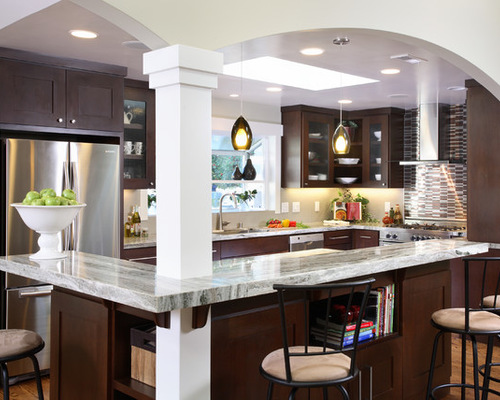
Modern Victorian kitchens tend to feature:

  • A simple and clean island table
  • Freestanding ornate and sleek glassware cabinet
  • A range stove
  • Cream and white colored cabinets with teak or other dark wood accents
  • Overhead racks for pots and pans

Indeed, you may say that Victorian kitchens today look quite similar to a contemporary style kitchen.  That being said, if you want to pump up the Victorian features you certainly may by taking out built-in furniture pieces like cabinets and replacing them with freestanding pieces and you can do this on a budget.  The reason this is a very traditionally Victorian stylistic choice is that back in the 1800’s they didn’t have built-in cabinets, they had furniture that provided the necessary tabletop work space.  Today it is not uncommon to see old classic bureaus used as kitchen island in a “modern” Victorian style kitchen.  This type of furniture is well built, has all the classic designs, and adds a wonderful accent to the kitchen.

Of course, we don’t recommend taking out your cabinetry.  Built-in cabinetry is quite a useful invention and it is easy and possible to make your kitchen Victorian without tearing them out.  Other classically Victorian style furniture pieces you may want to consider adding:

  • A kitchen dresser
  • A larder or pantry
  • A central workspace table

As for flooring there are four options: wood, linoleum, cork or ceramic/stone.  Wood flooring wasn’t favored in Victorian kitchens until late in the Victorian period.  Linoleum was favored in more upscale Victorian kitchens and was popular due to how easy it was to clean.  Not many people think of cork flooring when they think of Victorian kitchens, but it’s still true that they were a popular choice at the time and a green choice now because it’s made of recycled material.  Ceramic and stone floors are hardly surprising and are popular choices nowadays for old-fashioned kitchens but they aren’t specifically Victorian.  Of course one drawback to ceramic and stone floors is that they can be hard on the joints whereas the other options tend to offer more cushioning.  Something to think about if you spend a lot of time standing in the kitchen.

So the long and the short of it is this; Victorian kitchens are not old and boring, and if you need to liven yours up, dig deep, do some research and find a way to add your own personal touches.  Have fun with it!

Saving Money The Victorian Way

header1Now we’ve rung in the New Year, many of us will be looking at our bank balances and feeling twinges of regret about our overspending during the holiday period.  According to Forbes Magazine, consumers who took on additional debt this holiday season added an average of $1,003 to their balances. The burden of debt can have a huge impact on both our emotional and physical wellbeing, leading to stress, anxiety, and sleepless night.

If you’re struggling with debt, or have simply overspent and would like to tighten your belt in order to get your budget back under control, then why not look to our Victorian past for a huge wealth of fun ideas on how to save money? Frugality and resourcefulness are both key buzzwords for describing the lifestyles of most Victorians, regardless of their class and social status. Victorian people made do with what they had and were incredibly resourceful when it came to finding what they needed without expense.  Here are some ideas on how you can adopt this philosophy to suit your own lifestyle:

Repair Rather Than Replace

Victorians didn’t have wardrobes overflowing with clothes in the way that so many of us do: they certainly didn’t feel the need to wear a new outfit for every social occasion they attended. Clothes were not purchased off the rack: each gown worn by a woman, for example, would be made either by a professional seamstress or (if finances didn’t allow) hand sewn at home. As a result, dresses were often repurposed and updated to suit changing fashions, and repaired when they were showing signs of wear, rather than simply discarded. Modern money savers can learn a lot from this Victorian model: why not learn some simple sewing techniques? It is much more cost effective to replace a button than buy a new coat, and small holes in garments can be repaired very simply with minimal skill and technique. By repairing rather than replacing clothes, and other items around the home, you’ll be amazed at how much money you can save: that money would be much better spend on removing the burden of your debt and living a debt free life than on continued consumerism and things you don’t really need .

Ditch Your Car

Very few Victorians had their own personal transportation: the Victorian era was the era in which public transport became more easy and convenient to use than ever. Regular buses, trams, and even a rudimentary underground railway system (which would later become the subway) were all established during the Victorian era. Taking public transport is easy, cost effective, and what’s more it’s also great for the environment. Contrary to popular belief, nearly all forms of public transport pose less of a cost to the average commuter than driving and, thanks to increasing congestion and traffic, you can often reach your destination much faster if you are travelling by public transport too. Why not ditch the car (at least for a couple of months) and see how much money you could save on gas, parking, and car maintenance expenses? You might even find that taking public transport is so convenient that you never want to jump in your car for simple journeys again!

Grow Your Own Vegetables

Why not make like a Victorian and use your backyard space to grow something useful, such as vegetables? No matter how big or small their outdoor space, the Victorians often utilized this to grow vegetables in order to ensure they had access to a nutritious meal without having to spend any more. What’s more growing your own vegetables is a fun and inexpensive hobby that you can involve the whole family in, and it provides a great lesson for children about where food comes from, as well as encouraging them to spend more time outdoors. Carrots, tomatoes, potatoes and cucumbers are all very simple to grow for a beginner, and you will soon be able to eat and enjoy the fruits of your labour, whilst watching your grocery store bills decrease as a result. Have a large yard and enjoy the idea of growing your own food? Why not consider buying some chickens and a small chicken coop: much cheaper to own as a family pet than a cat or dog, when you own chickens of your own you will always have a ready supply of eggs for breakfast!

header1