It is a simple fact that names change in use and popularity, over time, and the names we give our kids today are probably not what our great-grandmothers used. The Ambers and Wendys and Brandons of today were the Netties and Elizas and Philips of yore. It is my humble opinion that using period-correct names can add a certain “ring” to a story. During the Victorian era, Biblical names probably saw the most prevalent and common use, both for boys and girls, to 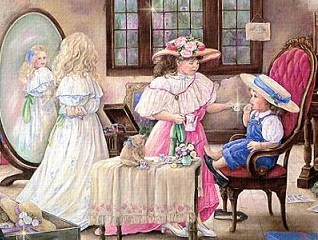 include the familiar names from the New Testaments, and also the tongue-tanglers from the Old. However, their child-naming practices also borrowed heavily from prominent sources including national and political leaders, notable religious leaders, and celebrated military heroes. It was common find children named for famous figures in contemporary and ancient history, great literature, (authors and characters,) or sometimes even ancient mythology, such as Achilles or Hector. Likewise with names of royalty, such as William, George, Victoria, etc.
Nor was it unusual for parents to look closer to home, borrowing from close friends or people they admired. (I have a Captain Henley and a Doctor Harvey in my family tree – those were their names, not their occupations!) Not uncommonly they recycled family surnames, for instance inserting the mother’s maiden name as a child’s middle name. This applied to both boys and girls, which meant you might be named along the lines of John Butterfield Smith or Louisa Jefferson Jones. Sometimes those family surnames were used as given names, as well, so a boy might be named something like Fitzhugh Smith. Girls were also given virtuous names, such as Hope or Charity. Names were often handed down, too, so you might see an extended family tree with a Christopher Columbus Jones found in each of three or four consecutive generations. Likewise you might see a middle name reoccurring time and again, which was often an ancestor’s name or surname.
In a few places on this list, I have enumerated certain first and middle names together, (such as Sarah Ann,) because I find them joined thus so many times on old public records, that it is apparent those name-pairings enjoyed great popularity. Where common nicknames were often used, those are indicated, as well. Plus, I have included a few appellations which are so odd and obscure that I can only guess as to their origins, but they were popular in their day. All of these have been found countless times on census, marriage, and other public records during my own genealogical travels, dating back to the early 1800’s. These were certainly not the only names used, but they are among the most commonly-seen. Thus it is with some confidence that I can present this list as a fair example of child-naming practices of the Victorian era. Names have changed in popularity, over time, and while many old standbys are still used and loved today, others of this epoch are certainly antiquated in their sound, and all but forgotten in application. I present this compilation in the hopes that fiction writers will be able to make use of it, and so perhaps add a little extra color and atmosphere to their work.
Female Names:
* Abigale / Abby
* Ada
* Adella
* Agnes
* Allie
* Almira / Almyra
* Alva
* America
* Amelia
* Ann ~ (also nickname for Nancy) / Annie
* Arrah
* Beatrice
* Becky ~ (see Rebecca)
* Bernice
* Bess, Bessie, Beth, Betsy ~ (for Elizabeth)
* Charity
* Charlotte
* Chastity
* Claire
* Constance
* Cynthia
* Dorothy ~ (also Dot)
* Edith
* Edna
* Edwina
* Ella
* Eleanor
* Ellie
* Elizabeth ~(also Eliza, Liza, Lizzy; see Bess.)
* Elvira
* Emma
* Esther
* Ethel
* Ettie ~ (see Henrietta)
* Eudora
* Eva
* Fidelia
* Frances
* Fanny ~ (usually nickname for Frances)
* Flora
* Florence
* Geneve
* Genevieve
* Georgia
* Gertrude / Gertie
* Gladys
* Grace
* Hannah
* Hattie
* Helen
* Helene
* Henrietta / Hettie ~ (also Ettie)
* Hester
* Hope
* Hortence
* Isabell / Isabella
* Jane
* Jennie
* Jessamine
* Josephine
* Judith
* Julia
* Juliet
* Katherine / Kate
* Laura
* Leah
* Lenora
* Letitia
* Lila
* Lilly
* Lorena
* Lorraine
* Lottie
* Louise / Louisa
* Lucy
* Lulu
* Lydia
* Mahulda
* Margaret ~ (see Peggy)
* Mary
* Mary Elizabeth
* Mary Frances
* Martha
* Matilda / Mattie
* Maude
* Maxine /Maxie
* Mercy
* Mildred
* Minerva
* Missouri
* Molly ~ (nickname for Mary)
* Myrtle
* Nancy ~ (see Ann)
* Natalie
* Nellie / Nelly
* Nettie
* Nora
* Orpha
* Patsy
* Parthena
* Peggy ~ (nickname for Margaret)
* Permelia
* Phoebe
* Philomena
* Polly ~ (nickname for Mary)
* Preshea
* Rachel
* Rebecca ~ (see Becky)
* Rhoda / Rhody
* Rowena
* Rufina
* Ruth
* Samantha
* Sally
* Sarah
* Sarah Ann
* Sarah Elizabeth
* Savannah
* Selina
* Sophronia
* Stella
* Theodosia
* Vertiline ~ (also Verd)
* Victoria
* Virginia / Ginny
* Vivian
* Winnifred / Winnie
* Zona
* Zylphia
Male Names:
* Aaron
* Abraham / Abe
* Alan / Allen
* Albert
* Alexander
* Alonzo
* Ambrose
* Amon
* Amos
* Andrew / Drew / Andy
* Aquilla
* Archibald / Archie
* Arnold
* Asa
* August / Augustus
* Barnabas / Barney
* Bartholomew / Bart
* Benjamin
* Bennet
* Benedict
* Bernard
* Bertram / Bert
* Buford
* Byron
* Calvin
* Charles / Charley / Charlie
* Christopher
* Christopher Columbus
* Clarence
* Clement / Clem
* Clinton / Clint
* Cole
* Columbus (also Lom or Lum)
* Commodore Perry
* Daniel / Dan
* David
* Dick ~ (see Richard)
* Edmund
* Edward
* Edwin
* Eldon
* Eli
* Elijah
* ElishaEmmett
* Enoch
* Ezekiel ~ (also Zeke)
* Ezra
* Francis
* Frank ~ (also nickname for Francis)
* Franklin
* Frederick / Fred
* Gabriel / Gabe
* Garrett
* George
* George Washington
* Gideon
* Gilbert / Gil
* Granville
* Gus ~ (see August)
* Hank ~ (nickname for Henry)
* Harland
* Harrison
* Harold / Harry
* Harvey
* Henry ~ (see Hank)
* Hiram
* Horace
* Horatio
* Hugh
* Isaiah
* Israel
* Isaac ~ (also Ike)
* Isaac Newton
* Jacob / Jake
* James ~ (also Jim)
* Jasper
* Jack ~ (for John)
* Jefferson / Jeff
* Jedediah / Jed
* Jeptha
* Jesse
* Joel
* John ~ (see Jack)
* John Paul
* John Wesley
* Jonathan
* Joseph
* Josephus ~ (also “Cephas”)
* Josiah
* Joshua
* Julian
* Julius
* Lafayette ~ (also Lafe)
* Lawrence / Larry
* Leander
* Les / Lester / Leslie
* Lewis / Lew / Louis
* Levi
* Lucas
* Lucian
* Lucius
* Luke
* Luther
* Louis
* Levi
* Lucas
* Lucian
* Lucius
* Luke
* Luther
* Matthew
* Marcellus
* Mark
* Martin
* Martin Luther
* Masheck
* Maurice
* Maxwell
* Merrill
* Meriwether
* Meriwether Lewis
* Michael/ Mike
* Micajah ~ (have seen nickname “Cage”)
* Mordecai
* Morgan
* Morris
* Nathaniel / Nathan / Nate / Nat
* Ned ~ (short for Edward)
* Newton / Newt
* Nicholas / Nick
* Nimrod
* Ninian
* Obediah
* Octavius
* Ora / Oral
* Orville
* Oscar
* Owen
* Paul
* Patrick / Pat
* Patrick Henry
* Paul
* Perry
* Peter
* Pleasant
* Ralph
* Raymond
* Reuben
* Robert ~ (also Bob)
* Robert Lee
* Richard / Rich ~ (see Dick)
* Roderick
* Rudolph
* Rufus
* Samuel
* Sam Houston
* Seth
* Silas
* Simon
* Simeon
* Stanley / Stan
* Stephen
* Thaddeus
* Thomas / Tom
* Thomas Jefferson
* Theodore / Ted
* Timothy / Tim
* Ulysses
* Uriah
* Victor
* Walter
* Warren
* Washington
* Wilfred
* William / Will ~ (also Bill, Billy)
* Willie ~ (Not always for William)
* Zachariah
* Zebulon
* Zedock
If you like this post and want to share it then click the service!

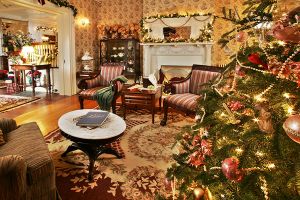 The Victorians decorated their homes in bold wallpaper, ornate furnishings, lace, and richly-colored draperies, and this love for decorating carried right over into the way they decorated for the holidays, as well. Although many of the Victorians had very little money to spend on extravagant decorations, they were enthusiastic in their celebration of the Christmas season. They turned to nature for inspiration and found fresh, rich greenery, flowers, pinecones, berries, and fruit which were all used to create colorful displays. Early in December the Victorian household began to decorate, covering every available inch of the house with greenery. Spruce, balsam, laurel, cedar, ivy, mistletoe, and holly graced tables, banniesters, chandeliers, archways, columns, and woodwork. Mistletoe dangled from the ceiling of the entry hall. Even picture frames and mirrors were wrapped with evergreen rope. Wreaths could be found hung on doors or behind windowpanes.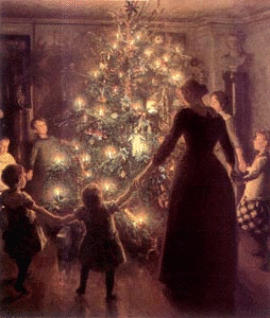


 Country & Victorian Times