The Hidden Dangers of Standard Tubs & How to Design Safer Alternatives

Bathrooms should be places of relaxation, renewal, and personal care, but they are also one of the most common locations for household accidents. Standard bathtubs, while seemingly harmless, often conceal hidden dangers that can cause serious injury—especially for children, older adults, and people with mobility challenges. Understanding these risks is the first step toward designing safer, more accessible alternatives that enhance both comfort and security.

The Risks of Standard Bathtubs

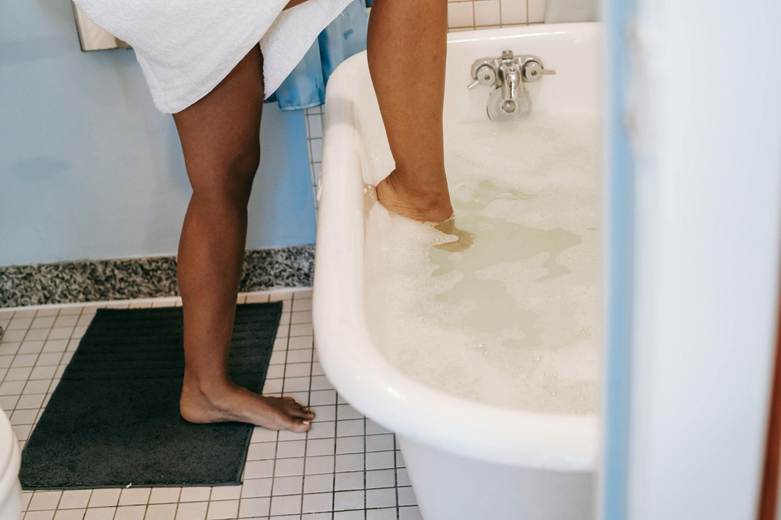
A traditional bathtub has a simple design: a deep basin with high sides, a smooth, curved interior surface, and a drain at one end. While functional, this design presents several safety hazards.

1. Slippery Surfaces
 Porcelain, enamel, and fiberglass finishes create sleek surfaces that can become dangerously slick when wet. Without proper traction, slipping inside the tub or while entering and exiting is a common cause of bathroom-related falls.

2. High Entry Walls
 The typical bathtub rim is 14–20 inches tall. For many people, stepping over this barrier requires balance, strength, and flexibility. For those with mobility impairments, arthritis, or poor balance, the maneuver can be both difficult and dangerous.

3. Lack of Support
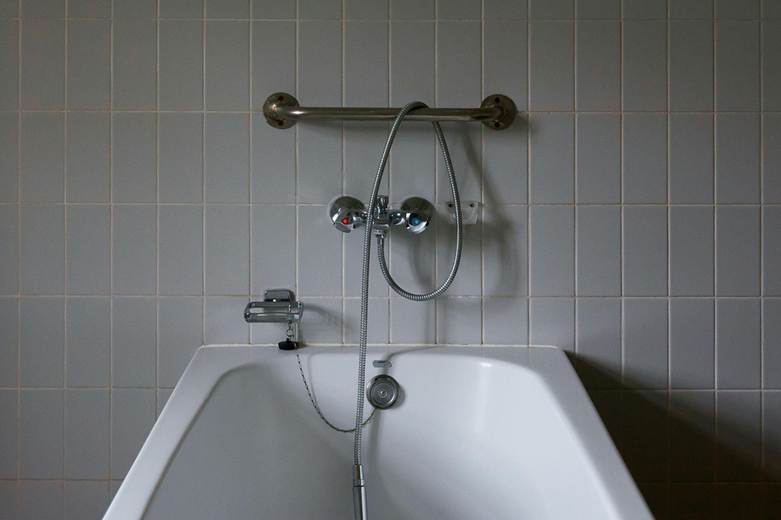
 Most standard tubs do not include built-in grab bars or non-slip flooring. Without these features, users have little to hold onto for stability, increasing the risk of falls.

4. Water Temperature Hazards
 Another overlooked danger comes from scalding water. Standard faucets and mixing valves can cause water to heat quickly, creating burn risks, particularly for children and older adults with thinner, more sensitive skin.

5. Space Constraints
 Standard bathtubs are often narrow, leaving little room to maneuver safely. This can be especially hazardous for individuals who need assistance with bathing or rely on equipment such as transfer benches.

The combination of these risks makes bathtubs one of the leading causes of bathroom injuries. According to the CDC, falls in the bathroom account for a significant portion of emergency room visits each year, and many of these injuries stem directly from tub-related accidents.

Designing Safer Alternatives

Fortunately, modern bathroom design has moved far beyond the one-size-fits-all tub. That’s especially important when multiple generations are using the same bathroom, and each family member has different needs. There are now safer, more inclusive options that prioritize both accessibility and comfort.

1. Walk-In Tubs
 One of the most popular alternatives, walk-in tubs feature a door that allows users to step in without lifting their legs over a high wall. Many also include built-in seating, non-slip flooring, and strategically placed grab bars. For individuals with limited mobility, walk-in tubs can significantly reduce the risk of falls while still offering the therapeutic benefits of soaking.

2. Slip-Resistant Surfaces
 Whether designing a tub or shower, flooring material matters. Non-slip coatings, textured tiles, or built-in anti-slip strips help reduce the likelihood of slipping. Unlike smooth porcelain or fiberglass, these surfaces provide essential traction even when wet.

3. Flat-Bottomed Bathtubs

Most bathtubs have curved interiors that prevent shower chairs from staying planted firmly, and the curved walls can make exiting the tub difficult. Bathtubs that are designed with flat bottoms and less curvature to the inner walls make for a more comfortable and safer bath.

5. Built-In Grab Bars and Seating
Strategically placed grab bars are a simple yet effective safety addition. Positioning them at entry points, along walls, and near faucets provides support during transitions in and out of the tub or shower. Adding built-in or fold-down seating allows users to bathe without standing for long periods, further reducing fall risk.

5. Wider and More Spacious Layouts
A popular approach to renovating any room in the home is to maximize space. Whether this means knocking down walls or changing layouts, there’s never a disadvantage to more room. This goes for the tub and shower as well. Designing tubs and showers with extra width allows more room for movement and assistance. Spacious layouts can also accommodate transfer benches, shower chairs, or caregiver support when necessary.

Universal Design Principles

The safest bathrooms are those that apply universal design principles—creating spaces that are functional for everyone, regardless of age or ability. Features like lever-style handles, handheld showerheads, adjustable height fixtures, and ample lighting contribute to overall safety and ease of use. Importantly, these elements benefit not only older adults or people with disabilities but also families with young children and individuals recovering from injury.

Soaking it All In

Standard bathtubs, while traditional, are not designed with safety in mind. By considering safer alternatives such as walk-in tubs and slip-resistant materials, homeowners and designers can create bathrooms that prioritize accessibility without sacrificing style.

The bathroom should never be a place of fear—it should be a space for comfort, dignity, and independence. Thoughtful design choices can transform the dangers of standard tubs into opportunities for safer living.

Denim – 5 Ways to Style It Up & Dress It Down

You wake up in the morning, and the last thing you want to do is spend a ton of time getting dressed for the day. Deep down inside, you wouldn’t mind spending an hour or two trying on outfits and experimenting with various looks. Unfortunately, time is not on your side. Not this morning.

That’s why we all honestly love jeans. We can’t get enough of them. Jeans are excellent to wear in so many situations, and on top of this, they are durable—an added bonus. The question is, how exactly do you style up your favorite jeans or dress them down to suit various occasions?

The great thing about denim is that you can change how your jeans look simply by changing up the clothing pieces you wear with them, plus accessorizing to the hilt. If you’ve been wondering how to style denim, here’s a rundown on what you can do to elevate your look each time jeans are the centerpiece of your ensemble.

1. Distressed Jeans and Bodysuits

You plan to wear jeans this weekend, as you don’t intend to do anything fancy. In this situation, you may be wondering how to style denim in a way that will still make your outfit pop.

Good news: Jeans and bodysuits are an excellent pairing for a low-key occasion. In addition, instead of wearing your regular sneakers with your jeans, spring for some leopard mules. Then, pile on some of your favorite jewelry pieces. Two gold necklaces that layer well, along with some statement earrings will quickly separate you from the crowd.

2. Black Jeans and Black Tank Tops

If you love dressing in black, we don’t blame you. After all, black is an ideal color for making you look slimmer. However, a black outfit can easily become stale if you’re lacking in accessories.

So, if you decide to don black jeans and tank tops together, be sure to add a trendy belt to your outfit. Also, incorporate some drop earrings and even snakeskin boots for an impactful and edgy look.

3. Skinny Jeans and Wrap Tops

Perhaps you love the combination of skinny jeans and wrap tops. If you’re wondering how to style denim and wrap tops together, here’s what you should do for both dress-down and dress-up moments.

For the former, simply wear white sneakers with your jeans and wrap top, which will give you a coveted casual-cool vibe. Meanwhile, if you’re headed out for a night on the town, add a handbag with an animal-print pattern to your getup. You could also sport some red heels to amp things up for the evening. A beautiful pendant necklace would be the icing on the cake—the perfect final touch for a memorable night out with friends or that special someone.

4. White Jeans and White Camisoles

When the weather is warm and you’ve got the beach on your mind, you can never go wrong with some sleek white jeans and a lovely white camisole. Now, you need to figure out how to style denim in this situation.

In your all-white ensemble, sneakers are a great addition for a casual environment or event. However, if you’d like to take things up a notch, add a glossy belt to the mix, plus some fresh white boots. You can also add a neck scarf to add even more pizzazz to your outfit and make heads turn with every step you take.

5. Jean Shorts with Various Pairings for Multiple Looks

When summer is still in full swing, it couldn’t be a better time to wear denim shorts. The great thing about jean shorts? You’re never too old to wear them, and these types of shorts will always be in style.

The other great thing about jean shorts? If you’re wondering how to style denim, note that the options for styling these types of shorts are virtually endless. For instance, you can pair your jeans with a blazer for a chic look for the office or even a fun Saturday night. A cardigan can also be combined with jean shorts and western boots for an ultra-cute outfit day or night.

How to Style Denim Today for the Perfect Look in Both Cool and Warm Months

Jeans are widely celebrated for their classic look and simplicity. Fortunately, if you’re wondering how to style denim, you can easily dress up or down your jeans for every occasion with a few accessories. Look for the trendiest jeans and accessories to add to your wardrobe this season.

The Importance of Quality Family Time

As a parent, it can often feel like you’re burning the candle at both ends. After a long day of work, nothing sounds more appealing than sitting down and relaxing for the rest of the night to enjoy some peace and quiet while your child plays in their room or entertains themselves on a tablet.

Sometimes, you may not even have that option if your kids are involved in sports, arts, or other extracurricular activities.

When you do finally have some time for yourself, it’s understandable to want to “get out” and enjoy a social life with your friends.

However, none of these are necessarily healthy or acceptable routines to slip into. If you do, you’ll miss out on crucial bonding opportunities with your kids and/or teenagers that you’ll never get back. People like to talk about kids growing up in the blink of an eye, and it truly can feel that way sometimes.

Family time is important for both parents and kids, and it should be a priority in your life no matter what else you have going on. It’s normal to be exhausted sometimes and to just want a night to yourself. However, it’s crucial not to let it become a habit.

Let’s cover the importance of quality family time and how to incorporate more of it into your life with your loved ones.

Bring Back Family Dinner

Family dinners used to be a major component of the stereotypical American family. However, over the years, family dinners have changed. Parents and kids are busier. Activities continue later in the day. Electronics and technology have made it easier for everyone to eat at different times in different rooms.

However, sitting down for a meal as a family is about more than just fitting a stereotype or creating a Norman Rockwell-esque image. Regular dinners allow you and your family members to reconnect at the end of each day. It can take some creative scheduling and possible adjustments to make family dinner work every night, but even sitting down together a few nights a week is better than nothing. Family dinner’s biggest benefits include

  • Having fun with your loved ones
  • Learning about what your kids are going through
  • Strengthening your bond
  • Getting your kids interested in cooking and food
  • Teaching responsibilities
  • Sparking creativity

You don’t have to produce a gourmet meal every night. No matter what you have on your table, focus on the company and the time you have together. Create an ideal environment by choosing the right colors for your dining space, using warm lighting, and setting the table in an inviting and comforting way. When you make family dinner a priority, you might be surprised by how quickly it becomes everyone’s favorite part of the day.

Read Before Bed

When your child was younger, you probably had a nightly routine of reading them a book or two before they went to sleep. Unfortunately, it’s easy for life to get in the way again, and you might find yourself rushing through their nighttime routine now, so you can get some time to yourself.

If it’s been a while since you’ve read to your children, consider adding it back into both of your lives. Dedicating a special time to read a book with your child will strengthen your bond, and can have a profound impact on how they see the world. Reading to your child can also help them to develop a secure attachment from an early age, benefiting them into adulthood. Children with secure attachment bonds to their parents typically

  • Have high self-esteem
  • Get involved in healthier relationships
  • Have an easier time expressing their feelings

While reading before bed is a great way to help your kids wind down and improve their sleep hygiene, reading at any point during the day is beneficial for cognitive development and creativity.

You’ll also benefit from this dedicated time. Reading helps to improve sleep, can reduce stress, and can boost your concentration and ability to focus. Plus, you’ll learn new things along with your child and have an easier time seeing the world through their imagination.

Ditch the Digital Devices

Frankly, it doesn’t matter what you do with your family, as long as you’re dedicating yourself to it. Setting aside time to focus on your kids (and partner) is all that matters, whether you take a weekend camping trip or walk around the neighborhood after dinner.

A good rule of thumb, no matter what you do, is to leave cell phones and tablets behind when you’re spending time together. This shows your child that they’re getting your full attention and they’re the most important thing to you. It sets a positive example for them and can show both kids and teens that technology should never be more important than relationships.

No matter how you choose to spend quality time with your family, focus on being present. The things you do together now will shape your kids for the future and will create memories for you that will last a lifetime.

How To Keep Seasonal Allergies Under Control

https://unsplash.com/photos/zosE9lAYQlo

When you have seasonal allergies, it’s difficult to enjoy the spring and summer seasons without some discomfort. In fact, many people struggle with the symptoms of seasonal allergies year after year, and they don’t know how to get relief from these symptoms other than taking medication that can sometimes be more disruptive than helpful. However, there are steps you can take to alleviate your symptoms and enjoy these seasons more fully. This article will help you find the best ways to keep seasonal allergies under control so you can feel better and perform at your best.

Learn the Triggers

The most effective way to manage your allergies is by learning to avoid your triggers. For example, pollen and pet dander are both common triggers for seasonal allergies. If you have a pet, be sure to keep him or her out of your bedroom at night. It’s also a good idea to purchase a high-quality air purifier that can remove dust and pollen from your home.

Establish Good Sleeping Habits

A number of studies have linked poor sleep with increased production of allergy-related chemicals in your body. These include histamine, which helps protect against infection but is also a component of allergy symptoms; cytokines, which are a class of proteins involved in immune responses; and leukotrienes, which help regulate inflammation. If you’re having trouble sleeping at night because you’re suffering from seasonal allergies, make sure to establish good sleep habits by setting a regular bedtime and sticking to it. You can also take supplements like melatonin or try relaxation techniques that may encourage sleep.

Use an Air Purifier

When you’re dealing with allergies, it can be difficult to know what you should and shouldn’t do. Take steps to keep your living spaces clean by using an air purifier for your home that removes allergens and irritants from the air. These machines are able to remove pet dander, mold spores, pollen, dust mites, and even smoke from your home so you can spend time there without having reactions to those substances. Using one of these machines could help you feel better during allergy season without having to compromise your family’s lifestyle. Most households only need a small air purifier in one room of their house, but some may need more depending on how much time they spend at home and the size of their living space.

Don’t Put Off Going to See Your Doctor

The first-hand consultation with a doctor is an important step in figuring out how to manage your allergies. By laying out symptoms and undergoing a physical examination, your doctor can confirm or rule out various causes of your reaction. If you suspect you’re suffering from seasonal allergies, head to an allergist right away—don’t wait until symptoms have reached their peak. According to research, patients who received treatment for their seasonal allergies within two weeks had less severe symptoms than those who waited longer. The sooner you get medical help, the sooner you can start finding relief!

Exercise Regularly

People with a history of allergies or asthma often benefit from regular physical activity. The result is improved lung function, stronger immune systems, and lower stress levels, which can make seasonal allergy sufferers feel better overall. Plus, when you exercise regularly your body gets better at fighting off allergens. A regular routine can also increase stamina and make allergy season less miserable. (Try exercising for 30 minutes four times a week.) If you’re not an active person but want to start working out more to deal with allergies, it’s important to talk to your doctor before taking on any new exercise routines—especially if you have respiratory issues that could be exacerbated by exercise-induced breathing problems.

Dust High Surfaces

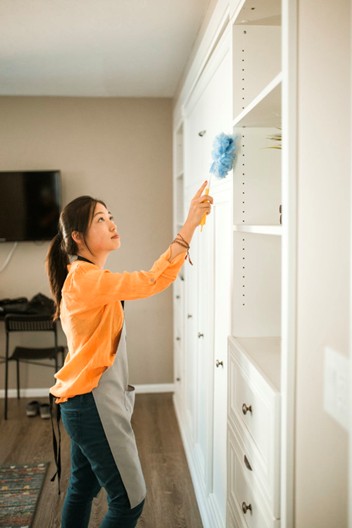
When dust mites and mold spores settle on surfaces, they can often make allergies worse. Though you can’t see them, these tiny allergens can make a big difference in the way you feel. By doing a little everyday cleaning you’ll reduce the dust that collects on surfaces in your home, meaning less of them and more breathing room for you. Wipe down surfaces daily with a damp microfiber cloth and avoid using any harsh chemical cleaners or sprays around your home – they won’t do anything to kill allergens and they could actually cause other health problems (like respiratory issues) if you’re exposed over time. For surfaces you can’t reach easily, you can hire a professional service to do a high dusting of ceilings, vents, and other places where dust may settle. Remember: A clean house isn’t just cleaner; it’s also healthier too!

Other Solutions

Getting a little dusting of pollen is natural and inevitable, but if you have allergies, it’s a good idea to take precautions. For example, when you head outside on those warm summer days, you might want to bring along an extra set of clothes so that you can change if your allergies start acting up. You may also want to consider sitting indoors in air-conditioning for a bit before going back outside. Keep in mind that many allergy medications don’t work well unless they’re taken one or two hours before exposure. Other options include: wearing masks (there are many varieties available) or taking antihistamines and corticosteroids.

How To Prevent Flood Damage In Historic Homes


Historical homes provide a charming aesthetic, although they are more vulnerable to flood damage. Older structures often have minor cracks on the roof, walls or flooring, making the interior more susceptible to water accumulation. Here are tips to prevent flood damage in your home.

1. Evaluate Your Drainage System

The drain should be sloped away from your foundation. Redirect gutters so water flows toward the street, preventing it from accumulating near your foundation. A build-up could lead to potential mold and a weakened structure.

In addition, clear out debris and leaves from the downspouts so moisture doesn’t build up. You can also install backwater valves to prevent water from entering your house.

2. Try Dry-Proofing Methods

Dry-proofing is where you seal your exterior to protect against floods. One method is adding flood shields to doors for better protection against heavy downpours. You can also raise the threshold of your entryway to prevent foundational issues. Be sure to seal around doors and windows tightly. Keep in mind older windows have larger openings to let in more light.

You can strengthen any masonry walls to withstand heavier pressure. However, if you ​​create a permanent installation, it must be compatible with the property’s historic character.

3. Decorate With Flood-Resistant Materials

Flood-resistant materials can withstand prolonged water exposure with little to no damage.

Make sure to add these to the underside of your home. Does your home need a renovation to create a more updated look? This is an excellent opportunity to add flood-resistant surfaces.

Here are a few materials to consider using:

  • Concrete
  • Clay tile
  • Brick
  • Pressure-treated (PT) resistant lumber
  • Polyester epoxy paint

Be sure to enclose any wall cracks with waterproof membranes or other sealants.

4. Raise Your Appliances and Utilities

Keep your appliances and HVAC system at taller heights whenever possible. Begin by determining your base flood elevation (BFE), which is how much the water level is anticipated to rise during an annual flood. This date is on the Federal Emergency Management Agency(FEMA) website. Make sure to raise your utilities above that level.

Be sure to elevate electrical wiring as well. This can prevent damage and potential electrocution. Also, turn off the home’s power systems if floodwaters rise.

5. Move Your Furniture Around

Take stock of your belongings and secure them as safely as you can to prevent potential water damage. Move high-value items to the upper levels. You can temporarily store a few things in your home’s attic. For example, do you have antique sofas or lamps you want to preserve during a period of rainy weather?

If you are accustomed to a storm season or rainy season, you should also be prepared to limit the furniture you keep outside. Taking in patio furniture, planters and other items for a few months can give you some peace of mind should flooding be a problem.

6. Have a Contractor on Hand

You want to restore your home as much as possible after flooding, especially historic homes with lots of charm. Have a trusted contractor on file and retain their number, which can help save time in an emergency.

Insurance companies will often work with general contractors during the claims process, which is why you must have somebody you can trust. Ask friends for references and research credentials before hiring someone. Make sure you interview multiple contractors as well.

7. Elevate Your Home

Raising your house on stilts or piers can protect against intense flooding by preventing water from seeping into your foundation. It also gives you time to move furniture around before the water level rises too high.

Contractors separate the frame and masonry veneer from their foundation during this process. Then they’re raised and kept up with temporary support. Finally, the new extended foundation is constructed below. Ensure you preserve the historical exterior features, such as wood siding. Also, check with local historical preservation societies to see if structural changes need approval.

8. Maintain Your Lawn Properly

A well-kept yard can elevate your home’s curb appeal and complement the charming exterior of older homes. You can use specific lawn care techniques to prevent flooding as well.

Use heavy soil with clay and sand so the surface runoff water empties into the street gutter. Also, leave plenty of room between your mulch and siding. Installing a rain barrel can help catch runoff water from the roof.


Tips to Keep Your Home Protected

Severe weather can be a problem for many homeowners, and preserving the beauty of a historical home is often a concern. Follow these steps to keep your property protected for years to come.

Author

 Evelyn Long is a Baltimore-based writer and the editor-in-chief of Renovated. She publishes home decor advice and product roundups for readers in spaces both big and small.