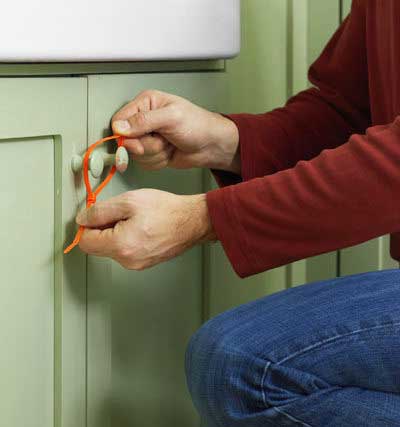
Becoming a grand parent brings up some problems around the house. The biggest being that our house is not child proof. Haven’t had to worry about that in many many years. I want our home to be safe when they come for a visit but at the same time they are not here all the time so I don’t want to invest a lot of money or install anything permanent. That’s where I found the best idea. Using a zip tie to tie two handles together. It can keep the babies out of cabinets with breakables or cabinets filled with dangerous chemicals. A simple a cheap fix that can be eliminated when they leave.
Rate this:
If you like this post and want to share it then click the service!
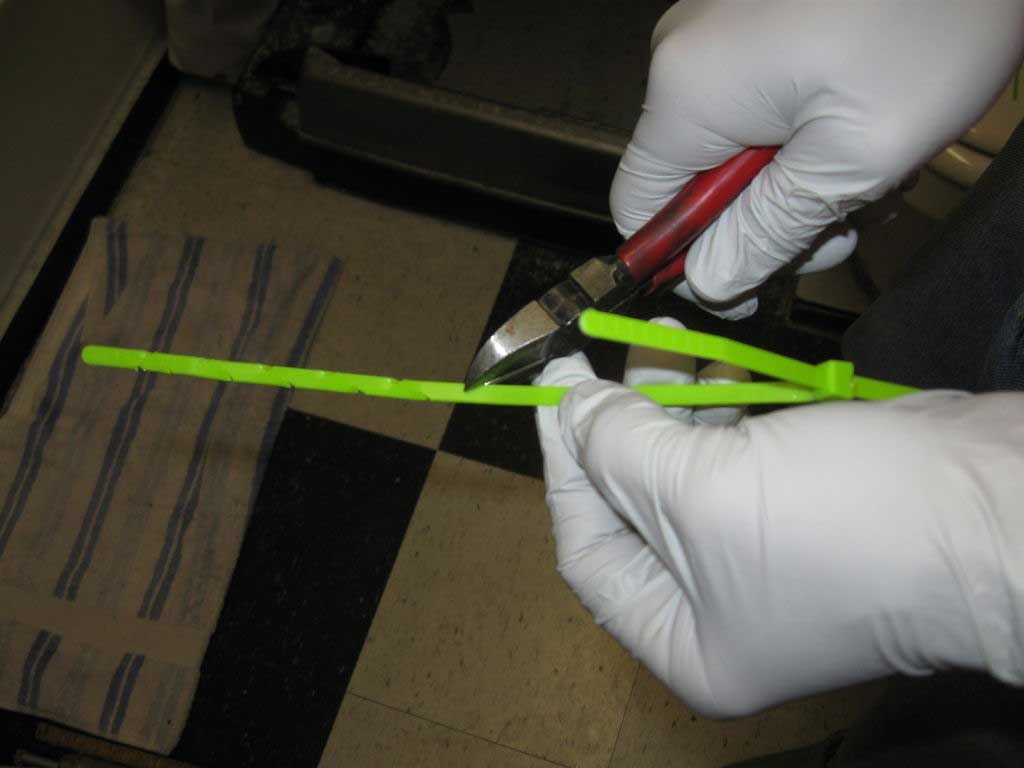
We all have problems with drains every once in awhile. Most of us have zip ties or they are now very cheap to get. Its easy to use a zip tie to clean out a drain by cutting little notches in a zip tie as shown in the picture above. Then take the zip tie and push in and out of the drain. This helps bring up hair and other items that get lodged as it goes down the sink. You can also use a zip tie to scrape the sides of your drain and eliminate buildup.
Rate this:
If you like this post and want to share it then click the service!
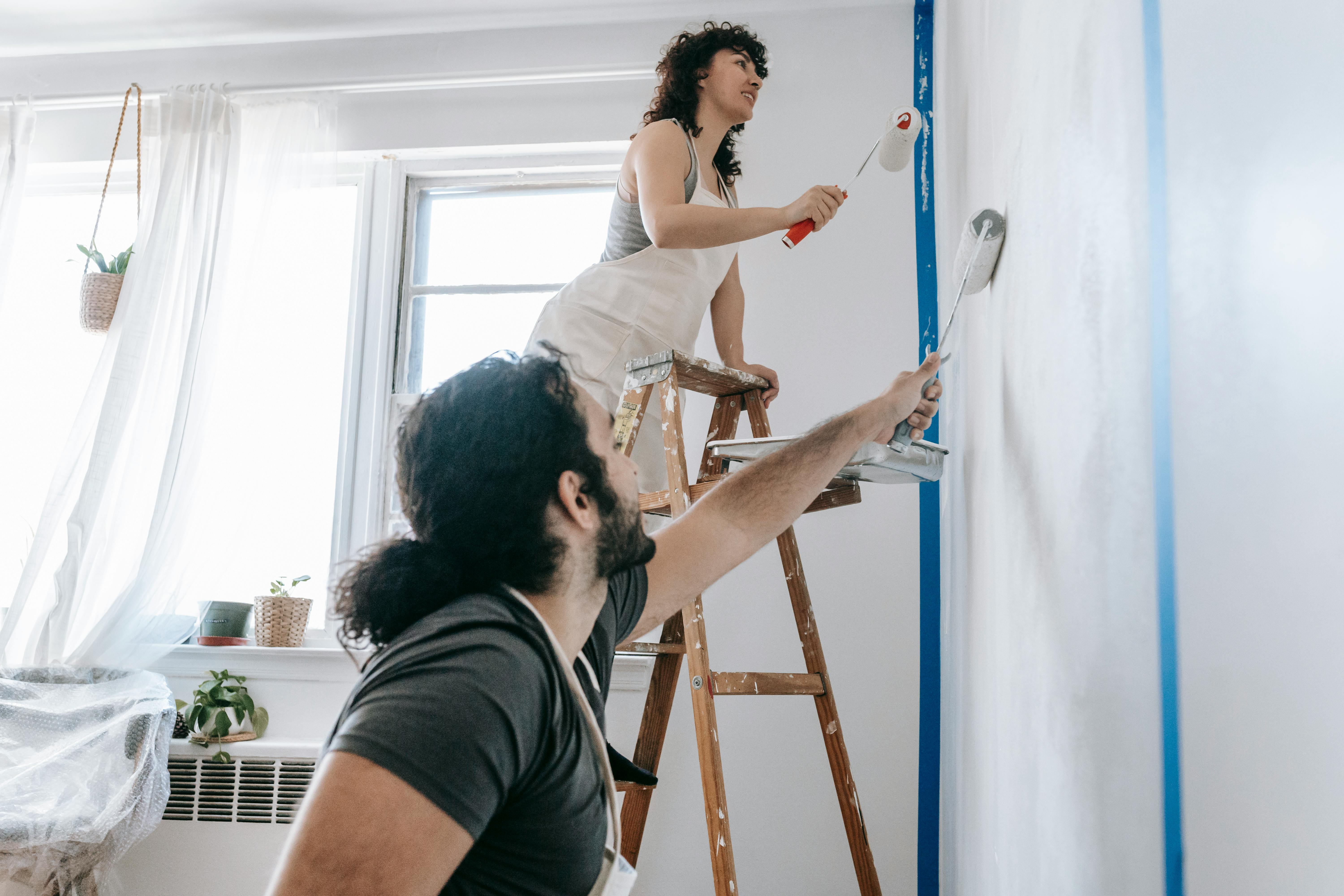
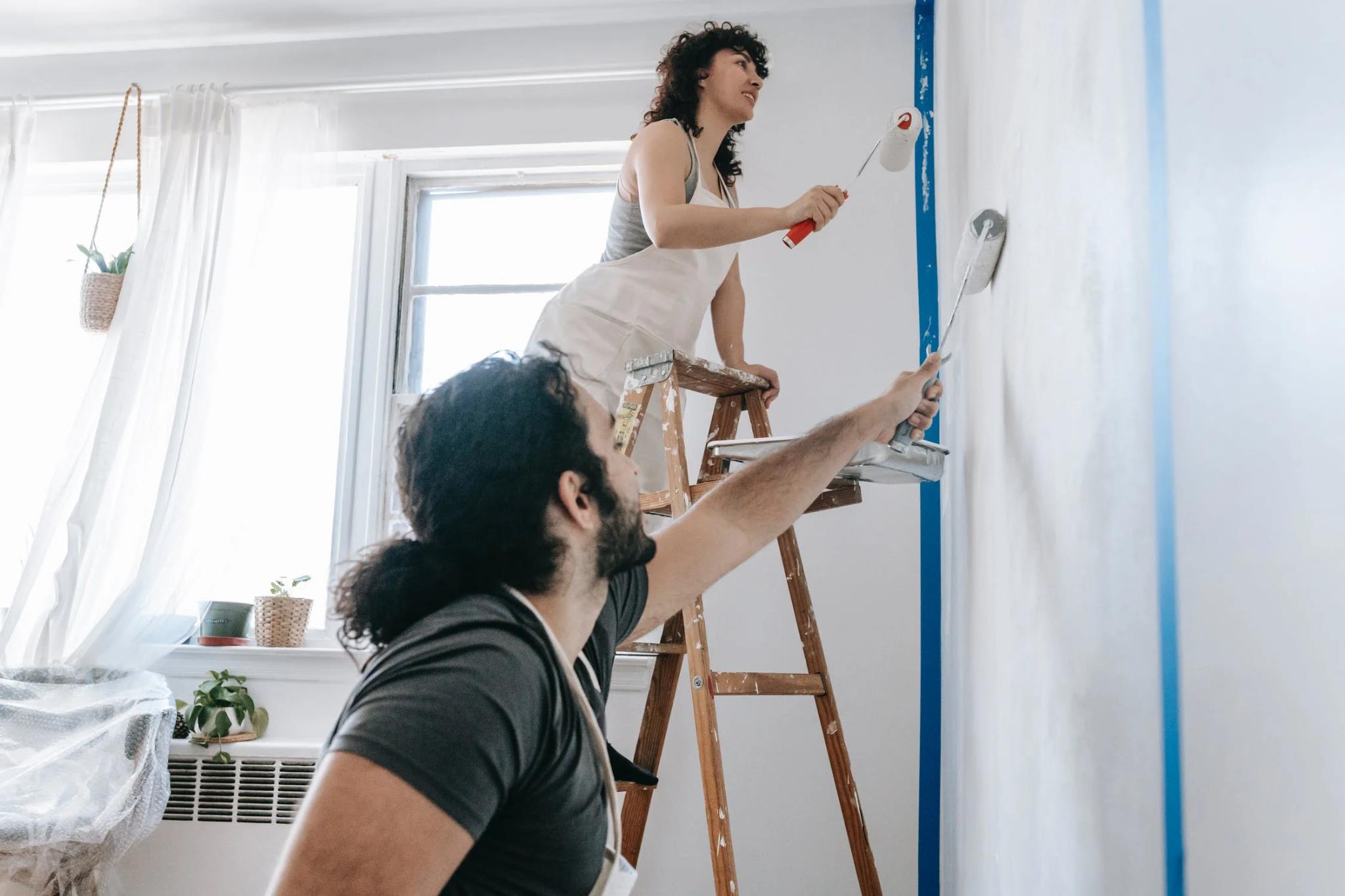
There may come a time when you’re ready to give your home a new look. Rather than move locations, you can remodel your home to fit your needs. From remodeling your kitchen to adding a new style to your bathroom, there are many ways to give your house a new appearance.
Before you start the initial demo, here are some remodeling tips to keep in mind:
1. Have a Plan
Before you start taking sledgehammers to your walls, have a plan. Home remodeling is a bigger step than simply replacing interior decor. You should have a general idea as to what you want to renovate and then put your remodeling plan into motion.
When you have a plan of how you’re going to remodel your home, you can rest easy knowing the finished product will be the right one.
2. Start Small
You don’t need to complete a full home renovation. The remodel can be small and targeted. Pick out an area of the home that is in dire need of a refresh and remodel that area first. Then, when that’s finished, you can work on the next area of your home you’d like to see renewed and vibrant.
3. Know Your Budget
Remodeling isn’t cheap but you can do so on a budget. If you have a certain amount of money to work with on your home remodel vision, keep that budget in mind along the way. After all, you don’t want to get halfway through putting down the new floor and find out you can afford to pay for the rest of the tile.
With a budget in mind, you know your home remodel vision can be successful and complete.
4. Hire a Professional
You may think you’re capable of redoing your kitchen cabinets, but if you’ve never done this type of job before, it may be best to leave this construction up to the professionals. It is well worth the money to ensure the finished product is one with top-notch results.
If it’s something as simple as replacing HVAC filters in your home, and you’re well-versed in this area enough to know the difference between FPR vs. Merv, you can do this job. However, a home remodel is much more involved and usually requires the expertise of a construction professional.
5. Don’t Be Afraid to Try a New Style
It may be scary to embark on a home remodel project, especially if you’re going in a totally different direction with style. But, don’t be afraid of a new style!
You don’t want to go through the entire, tedious home remodel process and have the finished product look just a little bit different than the original version. Check out home remodeling and construction sites online to get ideas as to what your finished remodel should look like. You may have an idea as to the look you’re trying to achieve and these websites will help you put your visions into motion.
Pursue a Home Remodel Project Today
If you want your house to look and feel different, and don’t want to move, home remodeling is an excellent way to give your place a new style. Start researching your options today and see what parts of your home could use a little refresh.
Rate this:
If you like this post and want to share it then click the service!
Owning your home is one of the biggest adventures of your life. It creates a unique sense of pride and ownership. It also gives you a canvas to imprint your tastes, interests, and lifestyle on.
However, owning a home has proven particularly challenging for many individuals in recent decades. A variety of economic and lifestyle factors have held many back from being able to indulge in the financially exhausting activity of homeownership.
If you’re trying to decide if you’re officially ready to take on your own home, you’re not alone. Here are some of the biggest questions worth asking as you sort through whether or not you’re ready to buy a house.
Are You Financially Prepared?
Houses are often trumpeted as sound economic investments. They help you build up equity and avoid the need to throw away money on paying rent to a landlord.
While this is true, though, it’s equally true that houses are expensive. Very expensive. When you own your own home you have to pay for a variety of things, including:
The mortgage;
Home insurance;
Property taxes;
Utilities;
Maintenance and repair costs;
Home improvements and renovations;
Landscaping;
The list goes on and on.
On top of that, you’ll need a good chunk of change to buy the house itself. From realtor fees to taxes, down payments, moving costs, and more, there are plenty of ways to spend your hard-earned cash while buying a house.
The first question that you have to answer, then, is if you can afford a house in the first place. Do you have a solid and consistent income to pay a monthly mortgage? Can you save up extra money for repairs and unexpected homeownership expenses?
If you find that you’re considering wiping out your savings or emptying your nest egg early, you may want to think twice about your financial preparedness. Instead of moving now, consider protecting your retirement and rainy day funds and begin saving money specifically for a house.
However, if you have a decent amount of money set aside to offset up-front expenses and a steady stream of income to boot, you may be ready to leap.
Do You Have Other Expenses Looming?
Even if you have a sound financial footing under you, that doesn’t automatically equate to being ready to buy a home. While your present financial situation may be solid, it’s worth asking yourself if it will remain that way.
For instance, do you have any major expenses coming up? Are you fresh out of college and about to start paying for school loans? Do you have a wedding or birth on the calendar? The major expenses associated with these activities can put unnecessary pressure on your life if you also toss the added expense of a home into the mix.
Is Your Career Ready for Homeownership?
For many, the topic of their career as a whole — not just the money that it generates — often doesn’t factor into the idea of owning a home. However, it’s often recommended that you plan on owning your home for at least three to five years before you move again if you want it to be financially worth the work.
This naturally leads to the follow-up question: is your career going to be stable for the next three to five years or so?
Another question to ask is if you’re considering pursuing a change in your career at any point soon. If that’s the case, can you look for a job in a good housing market with low prices that will appreciate in the future? You may even be able to find an employer with a good job relocation package that helps you offset some of the costs of buying a house and moving into your new residence.
Are You at the Right Time of Life to Take the Plunge?
For instance, are you thinking of getting married? If you already are, do you plan on having kids soon? If you’re on the younger side of things, has your credit had enough time to build up to a good credit score?
From family dynamics to jumping the gun on your credit, your age and stage of life are both important factors when it comes to getting a good deal on your home.
Figuring Out if Now is the Time to Buy a Home
Owning your own home isn’t formulaic. It can’t be. Everyone’s situation is uniquely different from one another. However, many common factors can most certainly help you judge how ready you really are to buy a home.
Things like financial security, a lack of major future expenses, having a stable career, and even simply being in the right time of life all factor into the mix. If you want to make the right decision, you must ask yourself the tough questions. Only then can you move into your homeownership journey with confidence.
Rate this:
If you like this post and want to share it then click the service!
You might worry if your 100-year old house can be desirable to a large housing market when it comes to selling your historic Victorian home. What truly matters is the bare bones of the house being complemented by an aesthetically pleasing interior.
Think about what made you fall in love with your Victorian home. The original hardwood floors and architectural details likely tell all sorts of stories and capture uniqueness in every room. Step it up a notch by staging your home to show its versatility. Creating an appealing representation of your home can help buyers better visualize themselves enjoying the space like you did.
Staging makes a difference. It bridges the gap between the upscale HGTV world and how welcoming and charming a Victorian home can be, without the need for major changes. Here are four home staging techniques that work best with Victorian homes.
1. Make Modern Updates in Key Rooms
A charming period home needs to appeal to modern-day buyers. Certain precautions for buyers to think about include the fact that this is an older property that could need some fixing up. However, there’s no need to make major updates or renovations if you’re selling your older home, because all that does is take away from its true personality that matters most. It’s important to prioritize the functionality of your home.
The first impression all starts with the initial sights walking up to the front door to inside the entrance. Is the front door original and assembled well onto the house? Is the doorknob intact? Inside, buyers will be looking for those original stunning structural details, high ceilings, and hardwood floors. But what they won’t be looking for is outdated appliances, plumbing, or heating and cooling systems that could fail them. You can provide buyers with an inspection, documentation, and additional incentive by transferring your home warranty to the buyer on new and existing appliances in the home. Doing so ensures protection against both the buyer and seller’s budget throughout this property transition if anything were to break down as it covers repairs and replacements. Plus, it allows peace of mind during the entire process, leading to a quicker sale on the market.
2. Display Rooms to Feel Spacious
The last thing you want is for your home to feel limited and crowded during showings. Take the time to declutter spaces in order for buyers to truly envision themselves living in the space one day. With things like collections or personal photos sitting around, it can be difficult and overwhelming to see areas for what they really are.
It’s also crucial to make smart use of any awkward spaces your home might have. These are common in older homes as they tend to have a set up with a spot where there’s no purpose. Minimize these areas and transform them into a conversation space where you can make it a mudroom, coffee bar, or a nice decorated corner with shelving. Add seating, windows, and lighting as you see fit to make it flow along with the rest of the house.
If your home is vacant, it can be staged with some simple furniture to show the potential of each room when buyers move in their own furniture. That way, these organizing methods can give the new homeowners just what they pictured.
3. Emphasize Architectural Details
Architectural qualities are one of the main reasons buyers are drawn to your property. People are interested in the charm, character, and preserved original structures that your home has to offer over others. Be sure to describe details of original aspects, fireplace mantels, rosette accents, building materials used, and more that differentiate your timeless home. Create focal points in your living spaces by arranging furniture to spotlight and draw attention to things such as decorative plasterwork and moldings. The more they see, the more curious they will become.
4. Stage for the Modern Buyer
The goal of staging your home is to simply maximize the appeal for buyer’s envisions resulting in a quicker sale. It doesn’t have to involve big purchases, but you can use what you already own. Show potential buyers how their lifestyle could look with completed rooms. You’ll want to do this without filling it with outdated pieces of furniture which can take away from the comfort and charm your house has to offer. Many historic homes have a mix of furniture and decor that represent history as well as modern touches. As you find the balance between vintage and contemporary styles of design, buyers will be able to see how easy it is to include a variety.
Don’t forget the smaller updates! Even painting and lighting any dark spots with warmer temperature lightbulbs can significantly bring a breath of fresh air to any room. Take advantage of your windows and remove heavy draperies if needed to let in as much natural light as possible so that all features of each room are completely visible.
Selling your home can be quite a challenge, especially if you have a much older property, but it doesn’t have to feel like a burden. With some preparation, staging, and minor updating, you’ll be able to sell your historic Victorian home quickly, while maintaining its integrity. Focus on originality and detailing to showcase your home’s unique history that the market is sure to snatch up.
Rate this:
If you like this post and want to share it then click the service!



 Country & Victorian Times