Olive Oil

OLIVE OILS ARE PIVOTAL TO THIS DIET – Good olive oils are as complex and varied as wine, yet buying the healthiest kinds is easy. Jadah Elizabeth is keen on cold-pressed extra virgin oil olive because it contains the most phenols, the source of much of its healthfulness. Exceptional olive oils have flavors and aromas that are far beyond those of the bland jugs at the supermarket. They can taste of such things as pepper, citrus, grass (really, its good), and almond.

Cold-pressed extra virgin olive oil is especially good for drizzling over vegetables and pasta noodles, orfor dipping bread. Virgin olive oil is next best, and is fine for sauteeing. “Light” olive oil refers strictly to color and mild taste. It is not reduced-calorie.
Light, heat, and air will spoil your stash, given enough time. Keep oils in an airtight bottle, in a cool cabinet, away from sunlight for up to a year. Even the best olive oils come in a wide range of prices, so experiment until you find a few brands you like at a reasonable price.


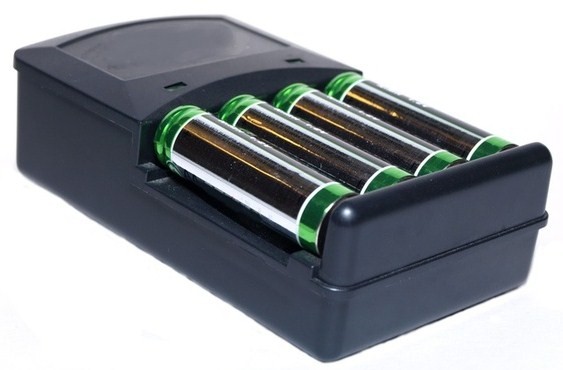
Living Green: Rechargeable Batteries

Rechargeable batteries are the ideal way to power most household items. But for flashlights and smoke detectors, some experts recommend single-use batteries because most can sit idle longer. They’re also fine for clocks and remote controls, which use little power. No local battery recycling program? Look for batteries without harmful metals!

Squirrel Snacks

If you have hungry squirrels in your area this time of year, you can treat them to a nourishing cold winter snack. First, help your child use a butter knife to coat the outside of a dried corn (available to gardening and pet supply stores) with peanut butter then roll it into bird seed until it is well coated. Set the treat outside attached to a log or to a tree the squirrels are seen in. Then watch the little guys go crazy once they have discovered their new found treasure.


Easy Solutions To Everyday Messes

1 Put ordinary white candles to use for more than romantic dinner lighting. Rub them on bathroom grout to shield against mold and mildew.

2 Take an Alka-Seltzer tablet from your medicine cabinet and drop it in your toilet bowl for a quick, fizzy clean.

3 Icky buildup on the face of your iron? Lay out a piece of aluminum foil, and iron it. The buildup will stick to the foil. You can also use foil to dispose of cooking grease.

4 Line a cup with foil and pour in the grease. Once the grease has solidified, seal it in the foil and throw the package away.

5 Tackle spilled food in the oven right away by pouring table salt over it. The salt will form a crust that makes the food easy to wipe up. It also reduces the burning smell.

Winter Storm & Extreme Cold: Preparation For Disaster

Before Winter Storms and Extreme Cold

Add the following supplies to your disaster supplies kit:

  • Rock salt to melt ice on walkways
  • Sand to improve traction
  • Snow shovels and other snow removal equipment.

Prepare your home and family

  • Prepare for possible isolation in your home by having sufficient heating fuel; regular fuel sources may be cut off. For example, store a good supply of dry, seasoned wood for your fireplace or wood-burning stove.
  • Winterize your home to extend the life of your fuel supply by insulating walls and attics, caulking and weather-stripping doors and windows, and installing storm windows or covering windows with plastic.
  • Winterize your house, barn, shed or any other structure that may provide shelter for your family, neighbors, livestock or equipment. Clear rain gutters; repair roof leaks and cut away tree branches that could fall on a house or other structure during a storm.
  • Insulate pipes with insulation or newspapers and plastic and allow faucets to drip a little during cold weather to avoid freezing.
  • Keep fire extinguishers on hand, and make sure everyone in your house knows how to use them. House fires pose an additional risk, as more people turn to alternate heating sources without taking the necessary safety precautions.
  • Learn how to shut off water valves (in case a pipe bursts).
  • Know ahead of time what you should do to help elderly or disabled friends, neighbors or employees.
  • Hire a contractor to check the structural ability of the roof to sustain unusually heavy weight from the accumulation of snow – or water, if drains on flat roofs do not work.

Prepare your car

  • Check or have a mechanic check the following items on your car:
    • Antifreeze levels – ensure they are sufficient to avoid freezing.
    • Battery and ignition system – should be in top condition and battery terminals should be clean.
    • Brakes – check for wear and fluid levels.
    • Exhaust system – check for leaks and crimped pipes andrepair or replace as necessary. Carbon monoxide is deadly and usually gives no warning.
    • Fuel and air filters – replace and keep water out of the system by using additives and maintaining a full tank of gas.
    • Heater and defroster – ensure they work properly.
    • Lights and flashing hazard lights – check for serviceability.
    • Oil – check for level and weight. Heavier oils congeal more at low temperatures and do not lubricate as well.
    • Thermostat – ensure it works properly.
    • Windshield wiper equipment – repair any problems and maintain proper washer fluid level.
  • Install good winter tires. Make sure the tires have adequate tread. All-weather radials are usually adequate for most winter conditions. However, some jurisdictions require that to drive on their roads, vehicles must be equipped with chains or snow tires with studs.
  • Maintain at least a half tank of gas during the winter season.
  • Place a winter emergency kit in each car that includes:
    • a shovel
    • windshield scraper and small broom
    • flashlight
    • battery powered radio
    • extra batteries
    • water
    • snack food
    • matches
    • extra hats, socks and mittens
    • First aid kit with pocket knife
    • Necessary medications
    • blanket(s)
    • tow chain or rope
    • road salt and sand
    • booster cables
    • emergency flares
    • fluorescent distress flag

Dress for the Weather

  • Wear several layers of loose fitting, lightweight, warm clothing rather than one layer of heavy clothing. The outer garments should be tightly woven and water repellent.
  • Wear mittens, which are warmer than gloves.
  • Wear a hat.
  • Cover your mouth with a scarf to protect your lungs.