Southern Seaside Styles that Bring the Beach into Your Home

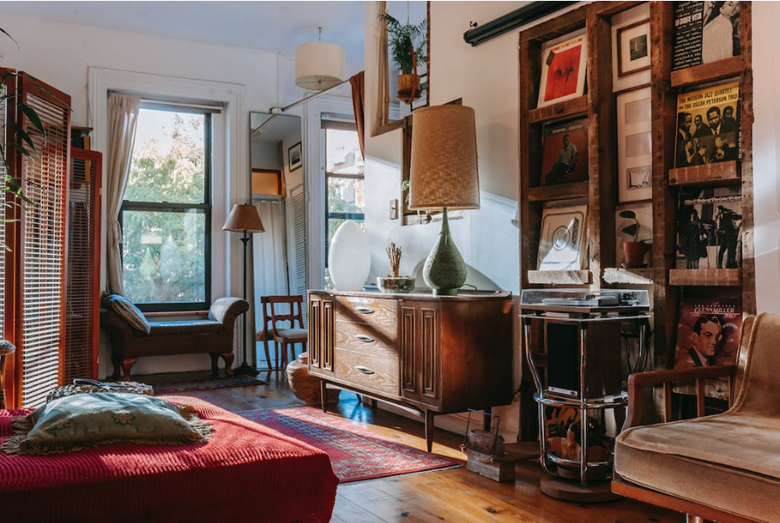
Photo by Max Rahubovskiy, courtesy of Pexels

The sounds of waves crashing against the shore, the salty air, and the cool ocean breeze envelop you in such a state of tranquility and serenity that it makes it difficult to leave the coast. Imagine feeling that same way all year long, no matter where you live. You may not be lounging seaside, but you can bring the relaxing coastal resort vacation feeling into your home with a southern seaside aesthetic. Keep reading for a few style ideas that’ll help you bring the beach home.

Coastal Home Decor

Photo by Dominika Roseclay, courtesy of Pexels

If you can’t make it to the beach, bring the beach to your home! You don’t even need to take on a time-consuming home remodel or renovation to achieve your dream space – all you need is beach themed home decor. Accent rugs, wall and tabletop signs, and even kitchen goods can transform any space into your own coastal resort retreat in an instant.

Consider your design style and the feel you want to create to choose your perfect pieces. If you’re more minimalist, you can choose one piece of colorful accent decor to stand out against a muted color palette and simple furniture. For a bright, tropical feel, you can mix and layer pieces throughout your home.

Natural Materials & Textures

Photo by Blue Bird, courtesy of Pexels

Replicate the beauty of the coast with a little help from natural textiles, materials, and textures. These organic elements help to create the serene, inviting landscape within your home, while adding visual interest and contrast to your decor. Try to look for decorative objects or decor that use linen, cotton, jute, rattan, and bamboo, which have a beachy casual feel reminiscent of a beach house vacation. When it comes to furniture, choose pieces made of wicker, driftwood, or reclaimed wood, such as modern accent cabinets or wicker chairs. These natural pieces add warmth and a touch of beach charm that’ll feel like you’re sitting on the seaside.

Sea-Inspired Color Palette

Photo by Toa Heftiba, courtesy of Unsplash

The right beach color palette is key to turning your home into paradise. Think about the beautiful colors of the southern seaside: blues, greens, soft white, and sandy beige. Your palette should make you feel as though you’re sitting seaside at the Emerald Coast. Use a combination of wall paint, art, and furniture to create a cohesive look in your space and prevent things from appearing too monotonous.

Layer the colors! Maximize your natural light by painting your walls the color of your favorite white sandy beach, then add a fun accent wall or have decor pieces that feature vibrant colors like coral, bright yellow, and deep sea blue.

Lively Florals & Greenery

Photo by Krystal Black, courtesy of Unsplash

Creating your home seaside oasis is all about bringing the outdoors inside, from natural materials to plants. Decorating with flowers, indoor plants, and gardens adds tropical beauty to your home and perfectly complements the neutrals, emerald and seafoam greens and blues, and warm beach sunset colors of your paint and decor. It’s also a wonderful way to bring liveliness and vitality into your space – something you’ll especially appreciate during those dreary winter days. Don’t have a green thumb? Artificial plants and flowers will create the same effect!

Beach Art & Photography

Photo by Dan 7th, courtesy of Unsplash

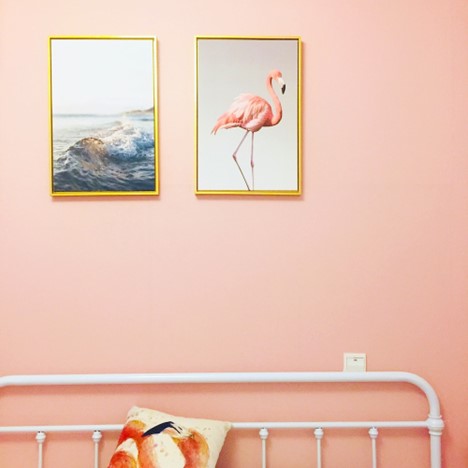
Adding artwork is one of the easiest ways to bring the beach into your home and set the entire mood. You have two options that can be used separately or together: your own photography and beach artwork. If you have your own snaps of a previous beach vacation, you can display them on your walls or mantel in beach themed frames to transport you straight back to the sandy beaches. Alternatively, you can select beach themed art that showcases the unmatched beauty of the coast – either abstractly or realistically. Play around with size and color to create a focal point, create an art gallery wall, or accents to your space.

Give Your Home Seaside Style

Photo by Maiar Shalaby courtesy of Unsplash

Whether you live near the beach or you want to capture the island vibes of summer, you can infuse seaside style into your home with the help of a little color and beach decor. Play around to see what works for your style and your home will be transformed into your own personal paradise in no time!

By Andrew Lemieux

How to Choose and Install the Perfect Blinds for Your Home: A Comprehensive Guide

Selecting the right blinds for your home can be a game-changer, adding style, privacy, and functionality to any room. With countless styles, materials, and customization options available, finding the perfect blinds may seem overwhelming.

But don’t fret; this comprehensive guide will walk you through choosing and installing the ideal blinds for your space and offer valuable insights on different types, materials, and maintenance tips. After reading this article, you should be well-equipped to create the perfect window treatment for your home.

Explore 4 Different Types of Blinds

Various types of blinds are available on the market, each offering unique characteristics and benefits. Some of the most popular options include:

1.     Roller blinds

These simple and elegant blinds consist of a single fabric that rolls up and down using a spring or chain mechanism. Roller blinds are incredibly versatile and come in various colors, patterns, and materials, making them a popular choice for many homeowners.

Roller blinds in Dubai are sought after for their ability to withstand the region’s intense sunlight and heat. Some interior designers also use two rollers with an added voile layer or zebra or duo blinds to adjust the amount of light that enters the room according to the time of day.

2.     Roman shades

Known for their elegant folds, Roman shades (a.k.a. Roman blinds) add a touch of sophistication to any room. They’re made from a single thick fabric that folds neatly into horizontal pleats when raised.

Roman shades don’t wrap around a roller, so they have different textures on top of the variety of patterns and colors available. This dramatically enhances customization to suit your home’s décor.

3.     Venetian blinds

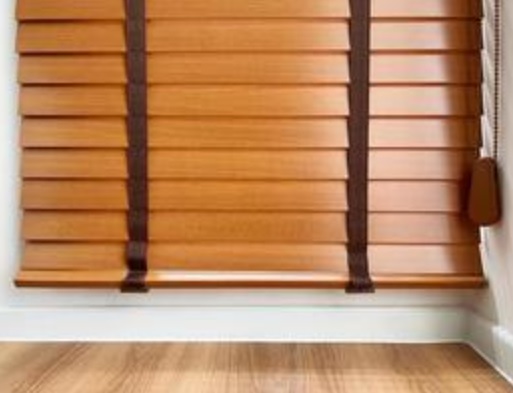
Composed of horizontal slats that can be tilted, raised, or lowered, Venetian blinds offer excellent control over light and privacy. Typically made from wood, faux wood, or aluminum, these blinds are functional and visually appealing.

Venetian blinds can be a stylish addition to any room. They’re particularly suitable for rooms with high humidity, such as bathrooms and kitchens.

However, those that use tapes made from fabric may not be great for damp spaces like the ones mentioned above.

4.     Vertical blinds

Featuring long vertical slats that can be tilted, rotated, or drawn to one side, vertical blinds follow the same concept as Venetian blinds. They are ideal for large windows and patio doors and provide excellent light control due to thinner slats that overlap better than Venetian blinds.

Vertical blinds are commonly used in residential and commercial spaces because they make a room appear taller. They also perfectly fit French and sliding doors and come in various colors to match the interior design.

The Complete Guide to Blinds Selection and Care

Different factors come into play during the window treatment selection process. From finding the suitable material to following proper maintenance, here’s a complete guide you can use for better blinds selection and care:

1.     Find the Right Material and Finish

The materials and finishes of your blinds can affect the overall look and feel of your space significantly. When choosing materials, consider the room’s function, style, and humidity levels.

If you’re going for a classic look, opt for wood or faux wood blinds. Aluminum blinds add a modern touch to the space, while fabric window treatments give it a soft appearance.

Looking for budget-friendly durability? Vinyl blinds are an excellent option for long-lasting wear without breaking the bank. They are also easy to maintain and come in various styles and colors to match your interior design.

When it comes to finishes, think about the visual impact and desired level of privacy. Matte finishes are great for a subtle look and can help diffuse light, while glossy finishes add a touch of glamor and can be easily wiped clean. Textured blinds offer an interesting visual element and can enhance the character of a room.

Additionally, consider the specific requirements of each room when choosing your blinds. For example, moisture-resistant materials like faux wood or aluminum are best for high-humidity areas like kitchens and bathrooms, as they can withstand the environment and are easy to clean. On the other hand, bedrooms or media rooms can benefit from blinds that offer effective light control and privacy, such as blackout roller blinds or cellular shades.

2.     Add Personal Touches to Your Blinds

Did you know you can customize blinds? Using decorative tapes, valances, or cornices, you can give your blinds a facelift so that they complement your home décor.

Decorative tapes can add color or pattern to your blinds. These come in various designs and can be applied to the slats or edges to create a stunning visual effect. Valances and cornices can contrast or match existing textures and patterns in your interior design.

To inject an element of luxury or whimsy into your window treatments, experiment with fabric trims, tassels, or beads. When placed at the bottom or along the sides of the blinds, these decorative embellishments can offer a touch of opulence or playfulness to your space.

3.     Measure and Install Blinds Accurately

You must follow the manufacturer’s guidelines when measuring and installing your blinds. These can provide you with the best advice for your specific product.

Think about whether you want an inside or outside mount, as this will affect your measurements. And don’t worry; it’s always a good idea to double-check your measurements to ensure everything is just right. Using a level during installation will also help guarantee a flawless and even appearance.

4.     Keep Your Blinds Looking Beautiful with Proper Maintenance

To keep your blinds looking their best, you clean them regularly. You can use a duster or vacuum to remove dust and debris gently.

If you come across any stubborn dirt, a damp cloth is usually enough to take care of it.

When it comes to fabric blinds, spot cleaning works well for minor stains, but don’t hesitate to have them professionally cleaned if needed.

Again, it’s always wise to follow the manufacturer’s guidelines for specific cleaning instructions, as this will ensure your blinds are cared for in the best possible way.

Create Your Perfect Window Treatment

Embrace the variety of styles, materials, and customization options available to elevate your space and enjoy stylish, functional, and durable blinds for years. This comprehensive guide to selecting, installing, and maintaining blinds enables you to create the perfect window treatment for your home.

Transform Your Space: 7 Decorative Flooring Options For Every Style

Flooring is an essential part of any space, and choosing the right flooring can completely
transform the look and feel of a room, patio, or deck.

Want something different from the usual floor tiles for your coffee nook, play area, or living
room? You can use a unique quartz and marble flooring system to simulate a carpeted look
without the hassle of maintaining and cleaning an actual carpet.

A stone carpet in Dubai can be an excellent idea, especially in the sweltering summer months when you may not appreciate a heavy carpet’s added warmth. It’s particularly suitable for outdoor use, adding character to and defining the boundaries of a particular section, just like actual carpets do. While there are carpets and rugs meant for use outdoors, they’re still a hassle to dry, clean, and maintain.

There are many decorative flooring options available. Below are some ideas.

  1. Polished Concrete Flooring

Polished concrete flooring is a sleek and modern option that is becoming increasingly popular in contemporary homes. This type of flooring involves treating the concrete surface with a polishing machine, resulting in a smooth, shiny finish.

One of the benefits of polished concrete flooring is that it is exceptionally durable and low-
maintenance. It’s resistant to stains and scratches, making it an excellent choice for high-traffic
areas like living rooms and kitchens.

  1. Floor Finishing
    Instead of using a hyper grinder to grind and polish your concrete floors to a smooth, hard-
    wearing surface, you can treat them with a resinous decorative finish. Your floor is essentially a blank slate you can customize to match your aesthetic, as this approach allows you to create a seamless backdrop for your focal point or create bespoke works of floor art.

For instance, you can use the Colortek Liquid Crystal decorative flooring finish to incorporate
custom patterns and pigments, integrate metallic particles and pearlescent effects, and utilize
glitter and color shifts to create a virtually infinite array of floor designs.

Using Liquid Crystal or a similar finish, you can enhance your floor with geode patterns, a
crystalline look, an abstract mural overlay, or a larger-than-life geometric design.

Alternatively, you can use the Colortek Urban self-leveling resin layer to create a strikingly
seamless, joint-free finish that you can use as a backdrop for your room’s furnishings or as a
canvas for more designs.

Colortek Neocement can appropriate if you have degraded concrete floors. Neocement is a
decorative finish that you can use to resurface old and worn-out concrete floors. It hardens,
toughens, and treats concrete floor surfaces, so they look, feel, and work like new.

You can also use poured epoxy terrazzo to finish your floor. This epoxy floor has pieces of
marble, glass, quartz, granite, and other materials to create a smooth and seamless floor finish that is resistant to scratches and stains and can withstand high traffic.

  1. Stone Carpet Flooring Systems

Instead of using a carpet, which can add to your maintenance burden, why not create the look of a carpet using a quartz and marble stone carpet flooring system like Colortek DeepC?

You can create a carpet-like overlay on your floor using such a system. Indoor, outdoor, it
doesn’t matter. This stone carpet surface is ultraviolet radiation-resistant and extraordinarily
durable against chemical and mechanical stress. It is breathable and does not trap moisture,
but also doesn’t let water through to the concrete or masonry substrate underneath.

It creates such a moisture-impermeable layer that you can use it to give your swimming pool a carpeted look. Create interesting geometric patterns, or put your monogram at the bottom of your pool. You can also create a faux sandy beach look on your pool deck by treating it with an appropriately colored stone carpet overlay.

Stone carpet flooring systems combine marble and colored quartz granules to create their
carpet look. Application begins with a primer to seal the substrate. An antiskid silica granules
layer is applied next, left alone for 24 hours, then dry-brushed to remove excess particles.

Next comes the pebble mix, arranged according to the planned design and left to cure for 24
hours. A topcoat layer then goes on top and is allowed to dry for three days to create a
waterproof surface.

  1. Reclaimed Wood Flooring

This is for you if you love the rustic and natural look. It is created from wood salvaged from old buildings or other sources. The wood is cleaned, treated, and processed to create a beautiful and durable wooden floor layer.

Reclaimed wood flooring is eco-friendly because it’s made from recycled lumber instead of new wood. It can also be visually striking because of the wood’s unique character and imperfections.

  1. Cork Flooring

Cork is made from the bark peeled off the cork oak tree. Since the cork oak tree’s bark
regenerates every nine years, cork is not only biodegradable but also renewable.

Cork flooring is durable and easy to maintain. It’s resistant to mold, mildew, and moisture, so
cork floors are a good choice for bathrooms and kitchens. They also have a soft and cushioned feel, making them comfortable to walk on.

  1. Patterned Vinyl Flooring

Patterned vinyl flooring is a fun and creative option that can add a pop of color and personality to any space. This type of flooring comes in various patterns and designs, from bold geometric shapes to playful floral prints.

One of the benefits of using patterned vinyl flooring is that it is affordable and easy to install.
It’s also quite durable and easy to clean, making it a practical choice for households with kids and pets. Additionally, you can cut it to fit any room or space, making it a versatile option for any home.

  1. Carpet Tiles

Carpet tiles are a versatile and practical option for offices, playrooms, and other high-traffic
areas. Carpet tiles are available in different colors, patterns, and textures, allowing you to
create unique looks.

One of the benefits of carpet tiles is that they are easy to install and replace. If a tile becomes damaged or stained, you can simply replace it with a new one rather than having to replace the entire carpet. Additionally, carpet tiles are easy to clean.

Your Floor, Your Style
Your floor design can significantly impact your space’s overall look and feel. From the rustic
charm of reclaimed wood to the sleek modernity of polished concrete, various decorative
flooring options are available to suit any budget and style.

Whether you’re looking for durability, eco-friendliness, or a pop of color, there’s a decorative
flooring option out there for you.

AUTHOR BIO
Ralph El Eid is the Business Development Manager at COLORTEK – Wall & Floor Fashion.
EQUIPAINT is the franchise owner of COLORTEK in Dubai (U.A.E.) and Doha (Qatar); an
international paints manufacturer specializing in the widest range of decorative paints and
seamless concrete & resin flooring, with a unique showroom concept, and thus an ideal
destination for homeowners, consultants, architects, interior designers and paint applicators.

Things You Need to Keep in Mind About Power Supplies & Wall Adapters While Remodeling Your Home

https://unsplash.com/photos/7jqFgIS-wZI

When you’re in the middle of a home remodeling project, it’s easy to get caught up in the details and overlook some of the more important aspects. One of the most important things to keep in mind is your home’s power supply. Depending on the extent of your remodeling, you may need to upgrade your home’s electrical system. This is especially true if you’re adding new appliances or moving existing ones to new locations.

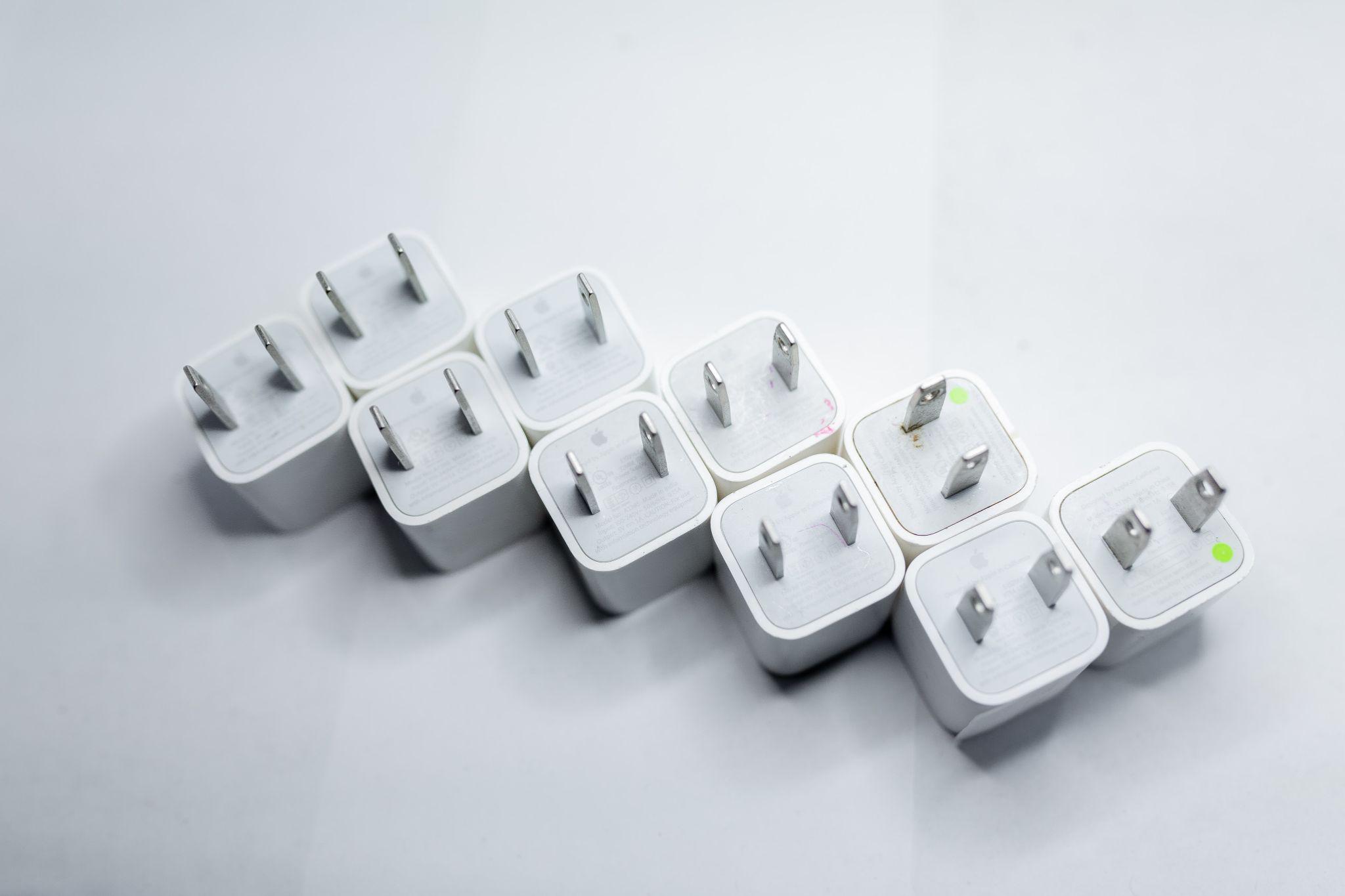
Even if you don’t need to upgrade your home’s electrical system, there are still a few things to keep in mind when it comes to power supplies and wall adapters while remodeling your home.

Determine the Type of Voltage Your Appliances Need

The first thing you need to do is take inventory of all the appliances and devices in your home that will need to be plugged into an outlet. Once you have a list, determine what type of voltage each one requires. The standard voltage in most homes in North America is 120 volts, but some appliances require more or less than that. For example, large appliances like washers and dryers typically require 240 volts.

Power supplies and adapters come in different voltages, so it’s important to know how much voltage your appliances need. Remember that voltage can fluctuate depending on where you live. If you live in an area with a lot of power outages, you might want to consider getting a power supply that can accommodate higher voltages. Once you know the voltage requirements of your appliances, choose the right types of power supplies: AC or DC.

  • AC power supplies are the most common type. They convert AC current into DC current, which is what most appliances need.
  • DC power supplies are less common, but they’re not necessarily better or worse than AC power supplies. DC power supplies convert DC current into AC current.

Ensure Power Supply Compatibility With Your Appliances

The compatibility of your appliances with the power supplies and adapters in your home is crucial to avoid any damages or accidents. Different appliances require different voltages and amperage, so it’s important that you check what each of your appliances need before plugging them into the wall. Another thing to keep in mind is the type of power outlet that you have. The three most common types are standard, GFCI, and AFCI outlets.

  • Standard outlets are the most basic and can be found in most homes.
  • GFCI outlets are required by law in certain areas, such as kitchens and bathrooms, to help prevent electrocution.
  • AFCI outlets are similar to GFCI outlets but provide additional protection against electrical fires.

If you’re unsure about what kind of outlet you have or what your appliances need, it’s always best to consult with a professional electrician. They’ll be able to help you design the perfect electrical system for your home and ensure that everything is up to code during home renovations.

Check the Amperage Rating of Your Power Supplies and Adapters

The amperage rating is the amount of current the power supply can provide. Appliances and devices typically have a maximum amperage rating that they can handle. For example, a common household appliance like a toaster might have a maximum amperage rating of 15 amps. If you try to use a power supply with an amperage rating that’s too high, it could damage the appliance or device.

When you’re remodeling your home, you might need to upgrade your electrical system to accommodate the new appliances and devices you’re adding. For instance, if you’re installing aquarium lighting or a home theater system, you might need to upgrade your electrical panel to accommodate the higher amperage rating. Power supplies for every new appliance or device will directly affect the power draw in your house, so be sure to keep this in mind while you’re remodeling.

Ensure All Outlets Are Properly Rated for Your Appliances

Your home’s outlets need to accommodate the wattage of your home appliances. Most electrical outlets are rated for 15 or 20 amps. If you have an appliance that needs more power, such as a clothes dryer, oven, or air conditioner, you’ll need to install a dedicated circuit with the appropriate amperage rating.

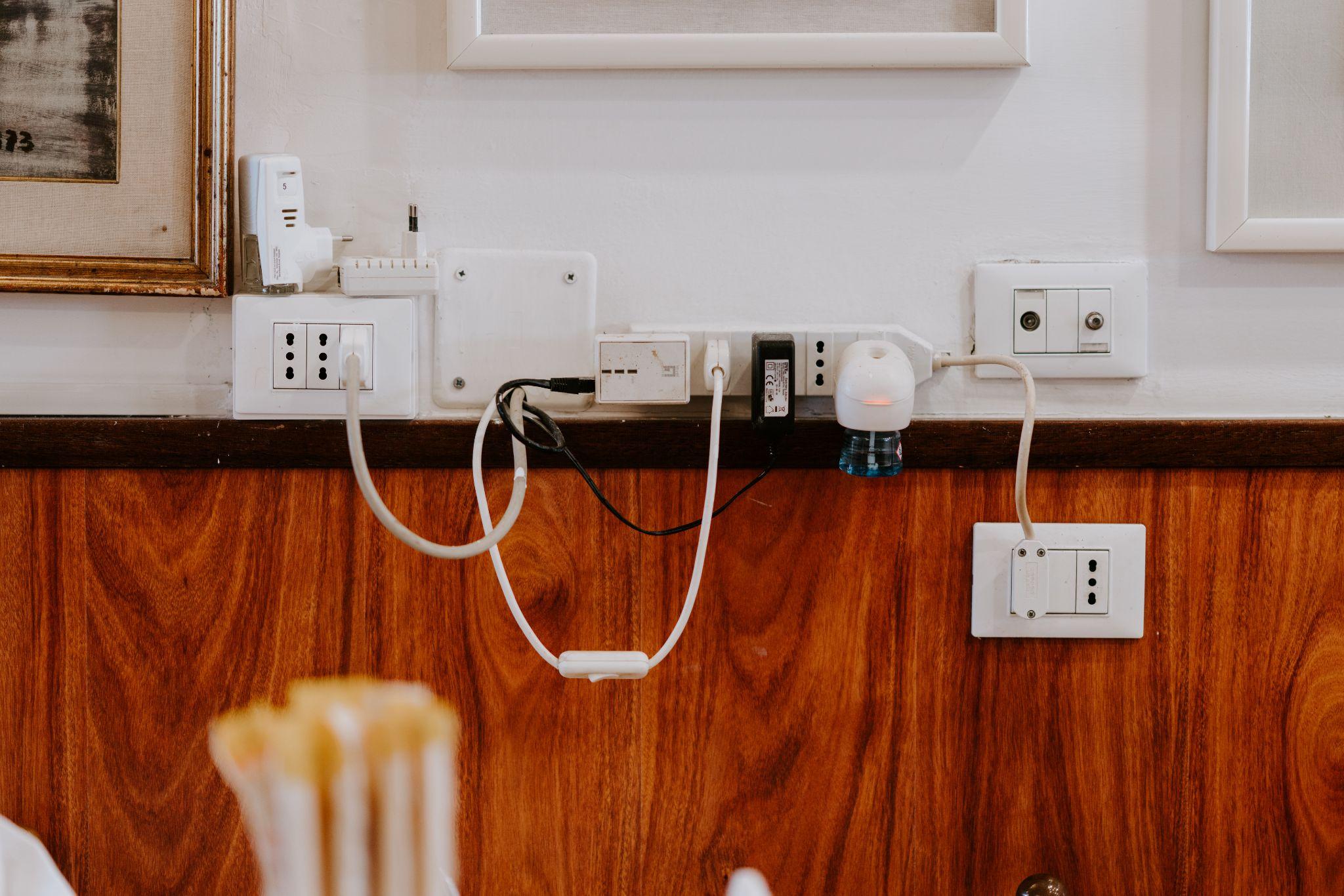
Overloading an outlet can cause a fire, so it’s important to make sure all of your outlets are properly rated. Your wall adapters also need to be properly rated for the devices they power. The last thing you want is completing a remodel and then finding out your outlets can’t handle the new load.

Prioritize Safety When Working Around Power Outlets

https://unsplash.com/photos/qjX0QBtDXto

When you’re remodeling your home, it’s important to keep safety in mind at all times – and that includes working around power outlets. If you’re going to be doing any work near outlets, such as adding wallpaper to walls with power outlets or drilling walls to hang items, make sure that you shut off the power to that area first. Keep these safety tips in mind while working around outlets:

  • Always shut off the power before starting any work near outlets.
  • Check that all cords are unplugged and out of the way before beginning your project.
  • Use a circuit tester to test that the outlet is off before you begin working.
  • Cover outlet boxes with painter’s tape to avoid getting paint or other materials on them.
  • Do not use outlets that are loose, damaged, or show signs of wear and tear.
  • Be sure to have a qualified electrician inspect your work when you’re finished.

Invest in Surge Protectors for Your Appliances

To protect your power supplies, wall adapters, and electrical devices, you should purchase a few surge protectors. A power strip with multiple outlets is also a good idea in case you need to plug in several devices at once. Surge protector strips will help prevent your devices from being damaged by sudden power surges.

It’s important to remember that even if your home has circuit breakers, they may not always trip in time to prevent damage to your devices. If you can afford it, invest in a whole-house surge protector. These are installed at your electrical panel and will protect your entire home from power surges. You’ll be glad you have it the next time there’s a storm or if your power company has an issue.

Conclusion

Remember that the power needs of your appliances and devices vary widely, so you need to make sure that your electrical system can accommodate this range. Wall adapters and power supplies also come in different shapes and sizes, so you need to be aware of the different types before you start your remodeling project.

You should consult with a professional electrician to make sure that your electrical system is up to code and can handle your home’s power needs. Following these tips will help ensure a smooth and successful remodeling project.

The Best Indoor Plants For Different Rooms In Your Home


Indoor plants have to be cohesive with your home’s interior design to complement its surroundings. Yet, they may not thrive in every room. Matching the plants with the right parts of your house can help your indoor garden burst with life. Check out the best plants for different spaces in your home to watch every plant thrive long-term.

1. Monstera in Your Bedroom

If you’ve fallen in love with wide, leafy prints on your clothes and decor, the leaves likely resemble the monstera plant. It has a trendy shape and a gorgeous shade of green that will look perfect in any bedroom.

Monstera plants work well with nearly every interior design scheme, so it’s very versatile. The plant is also famous for growing around two feet per year, so give it plenty of space to reach up and out of its pot.

2. Ferns in Your Bathroom

Bathrooms fluctuate between retaining warmth after a shower and becoming cold in the winter. The air’s humidity also changes every time you turn the water on. Ferns can handle all of that with ease. They’re hardy and need just a few hours of light per day, so hang one from your ceiling or place it on a shelf to add some greenery to your bathroom.

3. Hibiscus Flowers in Your Sunroom

Many people want beautiful flowers in their homes. If that’s what you’re daydreaming about, consider nurturing some hibiscus flowers. They come in a vast array of colors, which might provide the pop of character your home needs. Think about growing hibiscus flowers in your sunroom to give them the light they need every day.

After placing your potted hibiscus flowers in the perfect sunny spot, remember what kind of maintenance they will require. Since hibiscus plants put out flowers, you’ll need to clean up any old blossoms and leaves. This will encourage more consistent and beautiful blooms.

4. Peperomia in Your Guest Room

Bold and waxy peperomia foliage makes it perfect for any guest room. People with different aesthetic preferences love this plant because it’s a dark-green foundational design element. Water yours once a week and keep it in indirect sunlight on a dresser or shelf to ensure its best chance of survival.

5. Aloe in Your Nursery

If you’re designing your future child’s nursery, you’ll likely want soothing motifs and colors woven into the room. While comparing paint swatches and fabric samples, don’t forget that a baby’s nursery is a perfect place for plants like aloe vera.

Aloe plants contain a healing gel that soothes any irritation. Although your baby may not need that kind of help until they start exploring, the sight of an aloe plant is calming. It’s the exact design element nurseries need to create a relaxing and welcoming vibe. Place yours in direct sunlight and watch it grow alongside your infant.

6. Herbs in Your Kitchen

Growing plants in your kitchen may seem like common sense. You already have vegetables and fruits in your fridge, so why not add a few potted plants?

Indoor gardening enthusiasts often find it easiest to grow herbs by a kitchen window rather than flowers or foliage. Herbs like mint, rosemary, and chives don’t require much room, so they’ll fit perfectly on your windowsill or counter space.

7. Gasteria in Your Office

Gasteria is a type of succulent that’s excellent for home office spaces. It doesn’t need much soil or room to expand its root system, whether it grows on your desk, bookshelf, or a hanging planter. Gasteria is also one of the many succulent plants that purify the air around them by taking in impurities and expelling oxygen.

8. Air Plants in Your Dining Room

Anyone who wants to grow a few indoor plants but doubts their gardening experience can start their greenery collection by adopting air plants. They can sit on any surface because they don’t need pots or dirt.

Spray them with a light watery mist every few days and they’ll remain as beautiful and colorful as the day you bought them. Position them in darkened dining rooms or as centerpieces on your table to create greenery arrangements that would be more challenging with traditional plants.

Find the Best House Plants For Each Room

These are some of the best indoor plants for different rooms in your home, so you have many options to choose from. You might like dark shades of green foliage or opt for colorful flowers. Either way, you’ll find endless indoor gardening success by placing these plants in these rooms because the environments will cater to every plant’s needs.

Author

 Evelyn Long is a Baltimore-based writer and the editor-in-chief of Renovated. She publishes home decor advice and product roundups for readers in spaces both big and small.