MOVING: Packing The Kitchen

How to Pack Kitchen Items

  • Use the original boxes for small appliances like a microwave or toaster (if you have them). Or, follow these detailed steps to pack small appliances safely.
  • Wrap breakables in packing paper, foam wrap, or Bubble Wrap® for much-needed protection. Pot holders and dish towels can also double as extra cushioning.
  • Pack dishes in dish pack boxes that include partitions to keep glasses, bowls, plates and other pieces in place during transit. Watch our video for examples of how to carefully pack dishes and china.
  • Wrap fine silver in cloth or silver paper. For tips on how to move everyday cutlery, check out our tips on how to pack silverware.

SOURCE: http://www.upack.com/moving-resources/packing-tips.asp

MOVING: How To Pack – Tips

How to Pack for a Move

Let’s look at a few general packing tips to get started, then break it down by room or specific item.

  • Start packing early. To make the job manageable, begin boxing up the items you use less frequently—like books, knickknacks, or seasonal items—a few weeks before your move date. Save everyday use items until the end.
  • Prepare your boxes for moving. Reinforce the bottom of every box with packing tape, then line the box with crushed packing paper for extra cushion. Use more paper as ‘filler’ to eliminate empty spaces.
  • Make the most of each box. The less space your items have to move around in the box, the lower the chance of damage, so pack as much as you can into each box. This will also make loading easier—uniform boxes stack much better than odd-shaped items that aren’t boxed up.
  • Label boxes well. Pack each room in separate boxes and clearly mark the box with the contents and what room it’s destined for.
  • Pack heavy items in small boxes. Overweight boxes are difficult to lift, and could cause injury. Keep the weight of the boxes at a manageable level with this technique (especially helpful when you’re packing books).
  • Leave light-weight linens and clothing in their drawers. This is a big time (and space) saver!
  • Pack extra linens or pillows in large kitchen trash bags. Then use the bags as cushions or fillers as you load.
  • Disassemble as many items as you can. Remove feet or legs from furniture, take lampshades off of the base, etc. This makes it much easier to load your items into the moving container.
  • Pack valuables and essentials separately. Jewelry, medications, daily toiletries and important documents are items we recommend that you keep with you during the move.


SOURCE: http://www.upack.com/moving-resources/packing-tips.asp

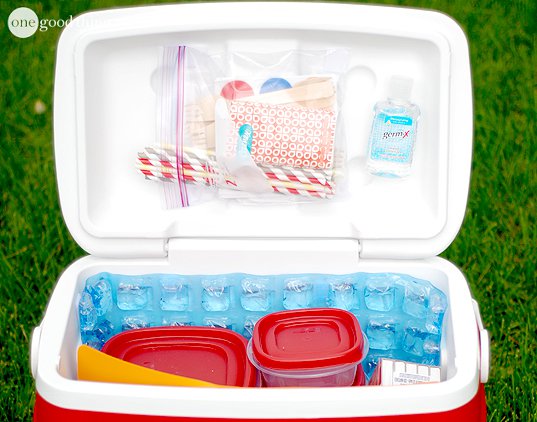
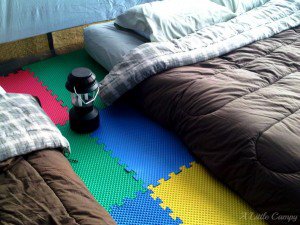
19 Cool Camping Tricks & Tips


Great list of ideas that will help you make your next camping trip a complete success. Click on the link below pictures………

19 Cool Camping Tricks and Tips – With the warmer weather just around the corner, it’s time to think about those camping adventures!

Source: 19 Cool Camping Tricks and Tips that makes life better

Sofa Cleaning Tips & Hints

Sofas are integral aesthetic elements in our homes. Our living rooms and bedrooms wouldn’t look half as good if it wasn’t for the inclusion of a stunning sofa – nor would they be half as comfortable! However, as sofas are often made of delicate fibres, they are susceptible to blighting from dust, dirt and stains on the surface – and grime and bacteria can become deeply entrenched in them with ease. Alas, it’s often the tarnishes we cannot see which pose the greatest threats – to you and your sofa!

Many respond to this by simply replacing their sofas when they start to show signs of wear and tear. However, with some careful preparation and the right contacts, you can ensure you have a long and prosperous relationship with your sofa, and won’t have to replace it for many years! To assist you in this regard, we have compiled a handy guide to sofa maintenance and sofa cleaning. We hope it is of some use to you!
Sofa Cleaning Tips
There are many different cleaning techniques to clean your sofa. Some will work better depending on what type of sofa you have. There really is no one size fits all solution to a dirty sofa. Remember, practice makes perfect, and there’s a lot of value in trial and error – why not try out a few techniques, and find the one that works for you the best?!

Start by vacuuming your sofa thoroughly – and do this before you even think of applying any efficient cleaning techniques! Work without an attachment – this will allow you to get up close and personal with the nooks and crannies and ensure you’re removing the worst of the dust and grime in its crevices.

Once you’ve done this, it’s time to identify any stains, or spots of filth that your hoover cannot or will not shift. We find that face wipes and baby wipes can work really well as cleaning cloths due to the chemicals contained within them – what’s more, they’ll be kind on your sofa’s fibers and material 9 times out of 10 – this is a great sofa cleaning tip! If you don’t have any of these to hand, you can fashion some makeshift substitutes using kitchen roll, warm water and vinegar.
Sofa Cleaning Tips2
Once you’ve done that, treat all surfaces to a once over with a soapy sponge or cloth. Allow the sudsy water to really soak into the sofa fabric – it’ll take on any ground in dirt head on! However, don’t use too much water – if sofas get too wet, damp can set it and they become magnets for mildew.

With any luck, your sofa should be looking fresh when you’re done. However, for major spills and stains (such as those created by ink, or food, or certain liquids, etc.), you may find that no matter how hard you try, these tips do not help! Fret not though, because professional sofa cleaning agencies are there for a reason. They will be able to complete the tasks you cannot, and make your sofa look as good as the day it did when you bought it! The best sofa cleaners will have worked on every type of sofa in their time, and every variety of stain! They will know the best way to remove the blots and blemishes which blight your prized couch. No matter how tempting it might be to take on stains yourself, sometimes you really do have to trust an expert cleaning service. Best of all, many of these companies offer cheap sofa cleaning solutions! Make sure you investigate the companies thoroughly to ensure you’re getting the best price!

Home Improvement – Managing The Water Pressure In Your Home

It may seem strange to think that there is a reason to avoid high water pressure in the home, but whilst low pressure can be a massive issue in terms of running your water based appliances, you will find that high pressure is actually really dangerous. Continual checks need to be made to ensure that the pressure in your home is at a safe level, or you stand to risk spending hundreds of pounds on repairs, as well as risking larger issues, like exploding boilers! The water pressure in your home will usually be dictated by the water supplier.

You will no doubt find that water suppliers need to regulate the pressure of their water supply in order to maintain their own needs. For instance, a pressure of around 100 psi may be needed to get the water from the pipes under the ground, up to the top of a tall block of flats, but the regular household only needs a water pressure of 80 psi. Some water supply lines will have pressure as high as 150 psi, which can be pretty dangerous. It is worth getting a gauge that can be fitted to a hose stop to test the pressure that you are receiving form your water supplier.
Home improvement - Managing the water pressure in your home.
If you think it worth having a better understanding of it, and want to get to the bottom of any pressure related problems that you are having, then it may be worth getting a resettable tracking gauge, that records the range of pressure variations that you receive. This is incredibly useful if your leaks or ghostly flushes come at night, as the pressure that is delivered to your water supply can vary overnight, and a tracked gauge will show you when such things happen.

It is essential that you monitor and fix a pressure overload should you find one, as pressure building up in the plumbing can lead to serious damage to your whole plumbing system. If you think about the plumbing as a closed system, then you will no doubt understand that the weaker spots will be affected by too high an increase in pressure. This is obviously going to result in leaks throughout the house, which will seem unconnected, though they are all due to pressure issues. You may also find that the toilet flushes of it’s own accord, and that taps leak suddenly.
Home improvement - Plumbing Managing the water pressure in your home. 2
You can fix the pressure coming in to your home to a manageable psi by fitting a simple water pressure regulator. These mechanisms will ensure that the water coming in to your house is at a safe pressure, and will save you a lot of hassle in terms of damages and call outs to the plumber in mystery repairs! You should fit your pressure regulator at the meter, as then you will also be protecting the irrigation systems in use throughout the house.

Hot water systems are another cause of high pressure, as when water is heated, it expands, which leads to increased pressure in what we know is a mainly closed system. You will find that this pressure causes strange leaks in the same way that supplier pressure can. A thermal expansion tank is the answer to these issues, as it can accommodate the extra load of pressure applied by the heated water for when the hot water is running. Ensure that your home has these pressure prevention devices if you are concerned that your leaks may be down to such issues, and you should be well set to get fixed up and leak free!

Should you have a dry or slow blockage, where the basin is draining slowly, then there are other methods that you can apply. If you can’t be bothered to go out and get proper sink unblocked, you can make up a cocktail for unblocking the sink. Try pouring a table spoon of baking soda, a cup or so or boiling water and a decent few glugs of vinegar down there. You will see that the reaction is a fizzy, frothy one, that should bubble away at the blockage with a combination of carbonated action, acid and heat, which will speed up the reactions that the other two are using against the blockage. The hope is that the fizzing of the baking soda will whirl the acid in the vinegar around, as it breaks down the blockage. The pressure of the water sitting on top of it will push the blockage down, and you should find that the sink is cleared fairly easily. If not then it may be time to get the pipe cleaners out to see if there is something hard stuck in there.

Read more tips at: http://www.removalservicelondon.org.uk/islington-removal-company/N1-moving-to-islington.html