
How Psychologists Support Emotional Wellness in PWS Patients 

Prader Willi Syndrome (PWS) is a complex genetic disorder affecting numerous parts of the body. It arises due to psychological and physical issues and is primarily characterized by a constant sense of hunger, often leading to excessive eating and life-threatening obesity. Other symptoms include mild to moderate intellectual impairment or learning disabilities, delayed motor development, distinct facial features, and behavioral problems.

People living with PWS demonstrate a wide range of emotional, cognitive, and physical challenges. Nonetheless, with early identification and appropriate management techniques, they can lead meaningful and fulfilling lives. Every person with PWS exhibits a unique set of manifestations of the syndrome; hence, there isn’t a one-size-fits-all approach to handling this condition. Therefore, it is crucial to have a multidimensional understanding of PWS from a medical, psychological, and emotional aspect.

The Emotional Impact of PWS

The emotional impact of PWS on those living with the condition and their families can be profound. The constant battle with food urges can result in significant emotional stress, leading to anxiety and depression. Additionally, due to cognitive impairments, people with PWS often struggle to interpret social cues and express their emotions healthily. This can negatively impact their relationships, foster social isolation, and lower overall life satisfaction.

Understanding the emotional implications of PWS can help to design better treatment strategies, offering not just physical relief but also psychological and emotional support. Undeniably, psychological wellness plays a key role in enhancing the quality of life for people with PWS.

The Role of Psychology in Managing PWS

Psychologists as Key Health Professionals in PWS Management

Psychologists serve as integral members of the healthcare team managing PWS. They assess and address the psychological impacts and behavioral issues associated with PWS. PWS Psychologists use various therapeutic techniques and strategies, and psychologists help develop coping mechanisms, improve emotional resilience, enhance social skills and facilitate adaptive behavior for people living with PWS.

Additionally, psychologists actively work with parents, educators, and other healthcare professionals to ensure a holistic approach is taken towards managing the condition. This includes educating all parties involved about the syndrome and providing strategies on how to provide effective support both in and out of the home environment.

Comprehensive Care: Why Psychological Support Matters

Psychological support plays a pivotal role in managing PWS symptoms and ensuring improved overall quality of life for patients. Despite being a genetic condition, managing PWS isn’t merely about treating physical symptoms but also coping with behavioral and emotional challenges. Assisting individuals with PWS to handle their emotions, control their impulses, and manage their behaviors is crucial in mitigating the disorder’s psychological impact.

Moreover, psychological support could help enhance self-esteem, improve social interactions, and lower the chances of developing mental health disorders such as depression and anxiety. Hence, psychological support is an essential part of comprehensive care for PWS.

Strategies for Supporting Emotional Wellness in PWS Patients

Building Emotional Resilience in PWS Patients

Addressing emotional wellness in individuals with PWS often commences by building emotional resilience. Individuals with PWS can build resilience by learning and utilizing techniques such as cognitive restructuring, mindfulness, problem-solving, and self-care strategies.

For instance, cognitive restructuring helps to change negative thought patterns, while mindfulness techniques can teach individuals to respond to stress and negative emotions in a calm and balanced manner. Problem-solving strategies can assist in tackling conflicts, and self-care practices can preserve mental well-being and prevent burnout.

Cognitive Behavioural Techniques for Emotional Wellness

Cognitive behavioural techniques (CBT) constitute a crucial aspect in managing emotional challenges associated with PWS. In PWS, CBT can assist individuals in resolving issues related to mood, anxiety, anger, and challenges related to food and weight management.

For instance, CBT can help individuals with PWS recognize their patterns of thinking about food and their ability (or inability) to control their eating. They are then taught to process these thoughts differently to minimize their impact on their behaviors and emotions.

Psychological Interventions: Family-based Therapy Approaches

Family-based therapy is an essential aspect of psychological intervention for PWS. Given the complexity of PWS, families play a vital role in its management and influence the emotional wellness of the individual affected. Family therapy focuses on educating all family members about PWS, fostering a supportive home environment, teaching effective communication techniques, and coping strategies.

For example, the ‘traffic light’ method is one such approach, where an individual’s behavior is categorized into green (acceptable), yellow (potentially problematic), and red (unacceptable) behaviors. This helps the family to interpret the individual’s behavior accurately and respond appropriately, contributing to more stable home dynamics.

Mental Health Challenges in PWS

Common Psychological Disorders in PWS Patients

People with PWS are at an increased risk of numerous psychological disorders. Symptoms may range from mild, such as persistent sadness, anxiety, and concentration difficulties, to severe conditions such as psychosis and bipolar disorder. Moreover, obsessive-compulsive disorder is also prevalent and related to food-seeking behaviors, repetitive questioning and insistence on routines and rituals.

Understanding and recognizing these mental health disorders early on can significantly improve the outcomes for PWS patients. Specifically, psychological interventions can be tailored to manage these disorders while also addressing the unique behavioral and emotional challenges associated with PWS.

Co-Existing Mental Health Conditions with PWS

In addition to the behavioral symptoms inherent to PWS, individuals may demonstrate a variety of co-existing psychiatric conditions. These may include, but are not limited to, Autism Spectrum Disorders, ADHD, anxiety disorders, and depression. The presence of these co-existing conditions can compound psychological distress and further impair social, cognitive, and emotional well-being.

Co-existing conditions require attention and care, and should be factored into a comprehensive care plan for managing PWS. Identifying and treating such comorbidities early can drastically improve an individual’s quality of life and enhance their ability to manage the challenges posed by PWS.

The Interplay Between Mental Health Disorders and PWS

The interaction between PWS and co-existing mental health disorders is complex. The heightened emotional distress and compulsive behavior that individuals with PWS often experience can exacerbate symptoms associated with co-existing mental health conditions. For example, high levels of anxiety commonly seen in people with PWS can be further elevated with a co-occurring anxiety disorder.

Understanding the interplay between PWS and mental health disorders can help healthcare providers design more effective treatment strategies. By addressing both the core aspects of PWS and the symptoms of co-existing conditions, care providers can offer optimal support and care to individuals with PWS.

The Role of Family in PWS Management

Emotional Support Network: Family and Carers

Family members and carers form a crucial emotional support network for individuals with PWS. They help implement and enforce behavioral strategies, reinforce learned coping mechanisms, and provide emotional reassurance during challenging times. In essence, they play a major role in shaping the individual’s environment and emotional wellness.

Family and carers also play a crucial role in advocating for the individual with PWS in different settings, be it school, the healthcare system, or public spaces. They become the individuals’ voice when they are unable to communicate their needs effectively.

Nurturing a Positive Home Environment for PWS Patients

Creating a safe, positive, and structured home environment can greatly benefit anyone with PWS. It can reduce triggers for negative behavioral outbursts, promote emotional stability, and foster personal growth. Structured routines, clear boundaries and rules, and a calm, loving environment can provide the stability needed by someone with PWS.

This includes having defined meals and snack times to manage the food-related behaviors, encouraging physical activities and hobbies to channel energy, having quiet spaces for relaxation and de-stressing, and enforcing household rules consistently to minimize behavioral issues and promote responsibility. A nurturing home environment offers emotional security, promotes education, and fosters personal growth.

Conclusion

In conclusion, the interplay between psychology and home design offers promising solutions for enhancing the emotional wellness of PWS patients. pws Psychologists equipped with the knowledge of this rare genetic disorder, along with a keen understanding of the power of environment, flourishes a holistic and individual-based healthcare approach, ensuring those living with PWS aren’t just surviving but indeed, thriving.

7 Supplements To Help Alleviate Anxiety

URL: https://www.pexels.com/photo/medicines-on-the-table-3850790/

Feelings of dread, irrational fears, and an inability to focus are typical anxiety symptoms. At its worst, anxiety can be debilitating, preventing you from working effectively and sleeping well. It’s estimated that over 27% of US adults struggle with anxiety and almost 42% of young adults aged 18-29 are similarly burdened.

Anxiety is a growing problem in an uncertain world. But there’s help at hand and you don’t need a prescription for it! Let’s look at 7 supplements to help alleviate anxiety and get you feeling more like yourself.

CBD (Cannabidiol)

While not yet cleared for use as an anxiolytic (anxiety-reducing medication) by the FDA, a recent Forbes health survey revealed that 51% of US adults using CBD do so to reduce anxiety. And numerous studies have confirmed CBD’s effectiveness in calming anxiety.

Working with the endocannabinoid system in your body, CBD serves to move you closer to homeostasis (a state of balance in bodily systems). That balance has a positive impact on mood, immune response, and stress, among many other consequences of organic imbalance. When CBD binds to CB1 and CB2 receptors located throughout the body, your nervous system responds by creating a more balanced, hospitable physical environment. You may find that you can order CBD products online or that your local dispensary will even deliver CBD to your door!

Kratom (Mitragyna speciosa)

Derived from a relative of the coffee plant native to Southeast Asia, Kratom contains two compounds that are gaining rapid notoriety for easing anxiety – mitragynine and 7-hydroxymitragynine. Acting on receptors bound to nerve cells, these compounds provide an effect similar to anxiolytic medications.

While research into this plant is limited, its use in Asia over centuries (possibly millennia) indicates its efficacy. But one study has recently found that Kratom has a positive effect on anxiety and other mood disorders.

THC and CBD (Tetrahydrocannabinol and Cannabidiol)

THC is the intoxicating and psychoactive component of cannabis. When combined with non-intoxicating CBD in a 1 to 1 ratio, the resulting effect positively impacts anxiety. But for those who don’t desire the intoxicating effect of THC, a higher CBD content serves to reduce it. Cannabis producers are refining their crops to make it easier for you to find products specifically tailored to your needs.

THC and CBD, when taken together, provide a relaxing effect on nerves that extends to muscles, reducing anxiety-related physical responses like tension in your neck and shoulders, grinding your teeth, and clenching your jaw. If you struggle with these symptoms, a higher CBD dosage will benefit you, should you choose to try this supplement. Not everyone cares to vape, so try an edible, a tincture, or a salve instead.

Omega-3 Fatty Acids

Fish oil is a prized supplement known to have tremendous health benefits but it also plays an important role in reducing anxiety. In fact, science is increasingly pointing out the value of nutrition in battling mood and mental health disorders.

Omega-3 fatty acids have a prophylactic effect on the brain, protecting it from inflammation. Over-the-counter medications can’t treat brain inflammation, as they can’t cross the blood-brain barrier, designed to protect the brain from toxins and pathogens. Add them to your diet as a supplement or find them in foods like fish, walnuts, and avocado.

Chamomile (Matricaria chamomilla)

URL: https://www.pexels.com/photo/close-up-shot-of-a-glass-of-chamomile-tea-9403473/

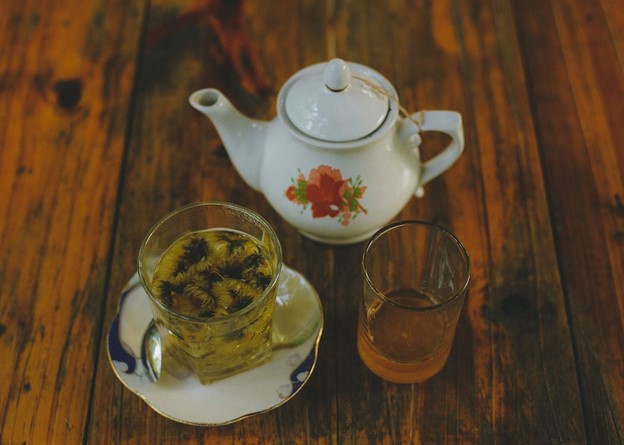
The tiny chamomile flower is a mighty anti-anxiety helper, long known to calm nerves and impart a sense of overall relaxation. People all over the world regularly consume a cup of chamomile tea to help them sleep.

Chamomile’s effect on anxiety is believed to be linked to its effect on the neurotransmitter, GABA, also affecting the output of serotonin (reduced levels of both are associated with anxiety.) And while clinical evidence is scarce, chamomile has been used for millennia as an agent for calming nerves and it is commonly used as a sleep aid.

Saffron (Crocus sativus)

Saffron is the rarest, most costly spice in the world. But it’s also an ancient medicinal aid, promoting digestion, calming anxiety, and reducing inflammation. Derived from the yellow stamen of the crocus flower, people have turned to saffron for both flavor and health for millennia.

Saffron has been proven to be as effective as fluoxetine (Prozac) for the treatment of depression. Taken as a tea or in the form of a supplement, this natural remedy is safe and effective for reducing anxiety.

Lavender (Lavandula)

When we think of lavender, we think of the scent and the soothing effect of this beloved flower’s delicate perfume. In fact, the best way to use lavender as a natural helper for anxiety is aromatherapy.

The scent of lavender activates the limbic system, which governs our emotions. This system includes the hypothalamus, the part of the brain in charge of transmitting anxiety signals to the hippocampus, which regulates anxiety. This simple, sweetly scented flower has helped millions of people with anxiety, naturally.

Alleviate anxiety with these 7 natural supplements. Add crucial self-care like exercise, mindful nutrition, and an anxiety-soothing home environment and you’ll be feeling better in no time!

7 Ways to Alleviate Anxiety

Source: https://unsplash.com/photos/rXrMy7mXUEs 

Anxiety leads to a vicious cycle where the very thing that causes your anxiety leads to more anxiety. If lack of sleep causes your anxiety, you will end up getting less sleep because you are thinking of how to get more sleep. This, in turn, breeds more anxiety because you can’t get the sleep you need.

However, there is good news. There is more research done on anxiety, and people are now opening up about their situation. Many are learning how to cope through other people sharing their experiences. Others are recognizing that they do not have to be alone in such times and can get help in various ways. Here are a couple of ways to help alleviate anxiety.

1.   Perform Deep or Diaphragmatic Breathing

Lack of control can quickly lead to anxiety. You can quickly feel despair if you are in a situation where whatever you do, you cannot control the outcome. An excellent way to reduce anxiety in such a situation is to take control of the little things you can handle—for example, breathing.

Through deep or diaphragmatic breathing, you are consciously controlling an automatic process, helping you grasp a little control over the situation.

While breathing, take in as much air as possible and exhale slowly. By breathing out slowly, you are engaging the parasympathetic nervous system that helps control rest and digestion, reducing your anxiety. On the other hand, the sympathetic nervous system controls fight or flight, which is triggered by heavy breathing, which can lead to more anxiety.

2.   Use Your Words

Self-reflection is one of the best ways to reduce anxiety. Describe your feelings verbally and audibly to yourself. Ask yourself questions that force you to self-analyze.

  • What feeling am I experiencing?
  • Does this situation warrant this reaction?
  • Am I projecting this emotion due to a prior situation?

Because of our innate evolutionary trait of self-preservation, we often project many of our emotions. We take longer to perceive that danger is over, making it easy to project emotions wrongly. Self-reflecting helps identify such situations and deal with them.

3.   Get Active

Yoga and exercise are up there as some of the best ways to reduce anxiety. Physical activities raise brain chemicals that control mood. Exercising also helps keep your body and mind healthy, reducing anxiety levels. But perhaps most importantly, exercising triggers your brain psychologically, telling it you are doing something to get yourself out of a bad situation.

By taking steps to self-heal, you will feel relaxed, which helps reduce anxiety.

4.   Practice Guided Imagery

Most of the time, anxiety is brought about by imagining and overthinking worst-case scenarios in your head. That is why one anxiety symptom is replaying past events in your head and how you could have handled them, imagining future situations, and how you hope to manage them.

Use your imagination to induce feelings of safety and well-being. Guide your imagination and think of a person or a place that gives you joy and calmness. Picture it in detail: smell it, hear it, touch it, feel the ground beneath your feet, the wind on your face, or whatever feeling the place or person evokes. Breathe slowly and imagine you are inhaling that image and feeling you have created.

5.   Take Advantage of CBD Oil

Source: https://unsplash.com/photos/Qd37vTyByBs

CBD oil presents a natural remedy to anxiety and depression medication. CBD is a cannabinoid derived from the cannabis plant. Unlike cannabinoids like THC, which causes the high feeling associated with marijuana, CBD offers a calming effect. As more and more states legalize marijuana, it is now easier to find an online CBD store to make a purchase.

CBD increases serotonin levels in the body, which plays a vital role in mood, sleep, healing, and even sexual desire. Its antipsychotic properties help reduce overthinking, hallucinations, and delusions. It also has anti-inflammatory properties that can help you relax and sleep better. Due to such benefits, it is no surprise that there are now many cannabis delivery services in California and elsewhere to get your anxiety remedy to your door.

6.   Eat the Right Diet and Vitamins

Eating and hydrating well can help reduce anxiety in general. But increasing specific vitamins like B1 and B12 can also significantly improve your mood. The brain uses vitamin B1 (Thiamin) to convert glucose to energy. Without it, the brain will not have enough energy to function correctly, leading to mood swings and anxiety.

On the other hand, vitamin B12 aids in the formation of red blood cells, which transports oxygen to brain cells to create energy. Without it, your brain will not have enough oxygen, resulting in less energy to function properly.

Foods that contain high levels of B1 and B12 include:

  • Beef
  • Liver
  • Whole grains
  • Eggs
  • Milk
  • Cereals

7.   Understand Your Triggers and Know Yourself

The best way to reduce anxiety is by knowing yourself. Identify what triggers your anxiety and learn ways to cope with it. Some of the most common triggers of anxiety include:

  • Stress at work
  • Friends or family
  • Medication
  • Crowds
  • Phobias
  • Pain

Alcohol can also be a trigger, as it is a depressant and can make you feel amazing for a short while, but awful when it is out of your system. This is also the reason why many people with anxiety or depression may end up being alcohol addicts, as they want to chase that short-term feeling.

Caffeine may be a stimulant, but it can excite your body, increasing your heart rate. As mentioned earlier in this post, quick breathing could activate the sympathetic nervous system, leading to a flight or fight reaction.

There are many ways to battle anxiety, but the best way is to understand your body and how to adapt to different situations that come your way.

Benefits Of Meditation

Image

Chewing Gum Factoid

Chewing gum has been proven to improve a person’s mood, while decreasing anxiety and stress.