

Enjoy Dog Walking In 8 Easy Ways

Dog walking is a great way to get house and… well, walk. Walking with your furry friend can lead to special moments with them – from spending time with them to growing a bond with them.

But what if you want to change things up in your dog walking? Or are you new to the whole trend? No matter your background, anyone can enjoy dog walking!

That’s what we’ve found 8 easy ways to enjoy dog walking! So, grab your leash, bring along your furry friend, and go outside!

  1. Allow For Exploration

“When walking your dog, allow them to explore,” says Charlie Whitaker, a travel writer at Research Papers UK and Writinity. “While walking can be great exercise for both you and your pet, exploration can also take place. Exploration can be mentally stimulating for your dog. Even if they just sniff around, that counts as exploration.”

  • Allow Friends To Tag Along

Who said that dog walking is a solo thing? Why not have a friend come along for the fun?

Like any fun activity, dog walking is much more fun to do with friends. Make it a weekend thing to hang out with friends and dogs. It’s nice to catch up with friends, while taking your furry friend for a stroll.

  • Visit The Local Park

Know any good places to take your dog? How about the local park? Or maybe there’s a dog park that you’d like to visit?

Going to the local park creates a routine for you and your pup. If you want to visit another park, then no problem. Just make sure that Fido is okay with that.

Speaking of changing up the route…

  • Change Routes

You should switch up the routes now and then, so that you and your dog don’t get bored with the “usual” path. Taking up a new path opens doors to new opportunities and new scenery. Plus, this allows for dogs to sniff this new route, thus sparking their curiosity. You can take a new route through:

  • A neighborhood
  • Another park (local or dog)
  • A new dog-friendly patio, etc.

When you change routes, the possibilities are endless.

  • Change Pace

If you’re used to walking slowly and enjoying the view as you walk your dog, then that’s okay. However, if you’re tired of the monotony, feel free to change it up. You can speed up your walk gradually. Just make sure that your dog is comfortable with this change. Don’t force things to happen. Otherwise, your pet won’t like it. No matter how fast or slow you take things, make sure that your dog is okay.

  • Talk To People

Who knows? You might run into other dog walkers. So, it’s definitely okay to talk to people as you walk your dog. This can be a great opportunity for dogs to socialize with one another. Even when you and the other person are the ones socializing, it’s still a fun part of walking your dog.

  • Take Pit Stops

“Pit stops are important for not only yourself, but also your dog,” says Darla White, a lifestyle blogger at Draftbeyond. “So, when you take a pit stop, make sure that your dog gets one too. You may want to bring pet supplies like a doggie bag, in case your dog does more than pee. Also, be sure to bring treats for when they go to the bathroom successfully.”

You can also combine activities within your route. For example, you can drop off a letter at the post office as you make your way to the dog park. Or, you can pick up lunch as you and your dog head to the dog-friendly patio.

  • Bring Treats

Finally, don’t forget to bring the dog treats. Dogs love to get treats every once in a while. So, when going on your walks, be sure to bring the treats.

You can give treats in any of the following scenarios:

  • Your dog goes to the bathroom at the right place, at the right time.
  • Your dog behaves well with other people and dogs.
  • Your dog is obedient to and from your destination.

You can even have your dog find some treats by sniffing them on the ground.

Conclusion

As you can see, dog walking can be fun and easy. By following these 8 tips, dog walking will get better and better; and, Fido will thank you for it!

Eula Skiles is a writer at Essay Writing Services and Gumessays.com. She is also a contributing writer for Thesis Writing Service. As a content writer, she writes articles about digital marketing strategies, entrepreneurship, and lifestyle trends.
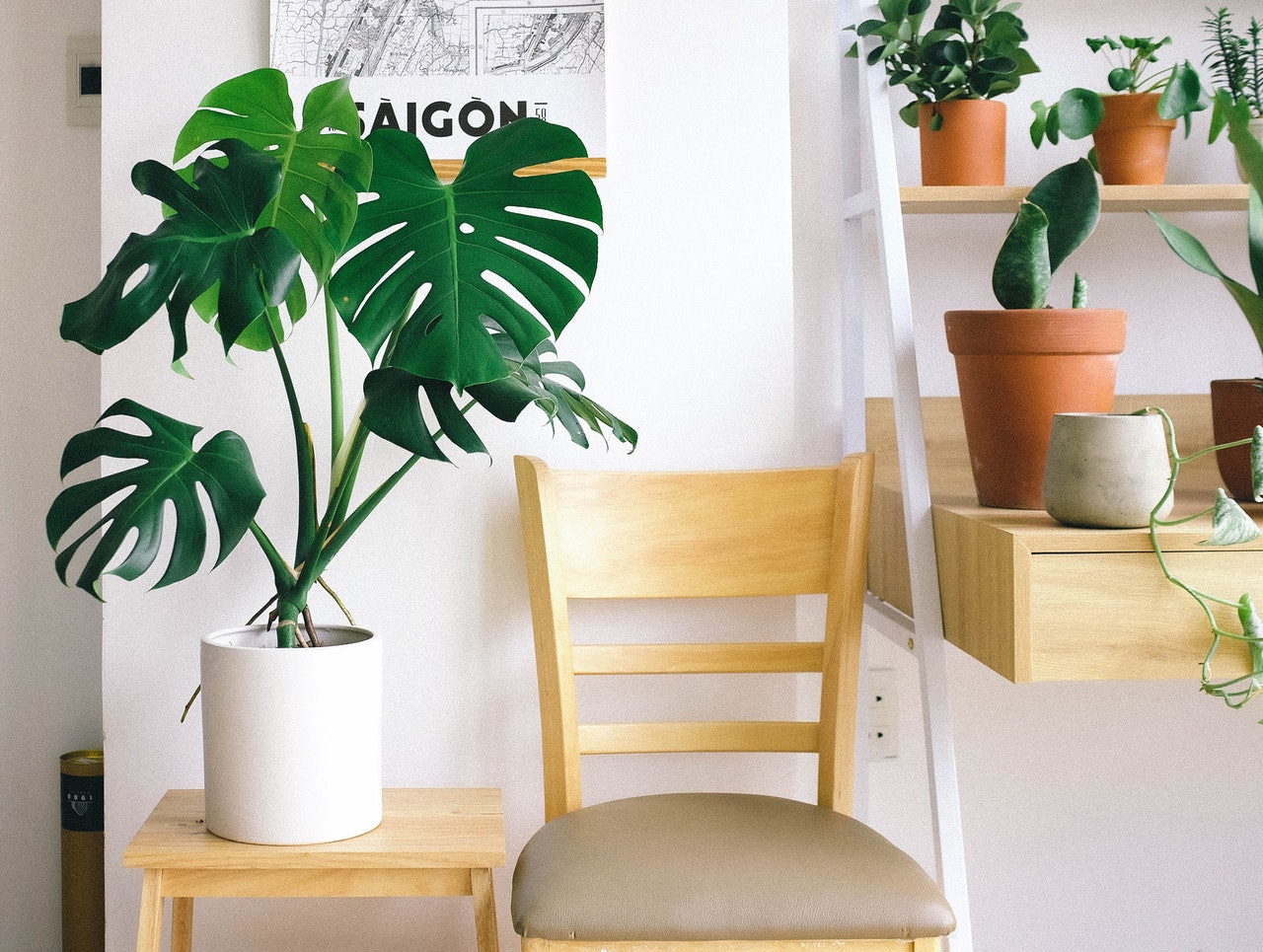

The Best Indoor Plants For Different Rooms In Your Home


Indoor plants have to be cohesive with your home’s interior design to complement its surroundings. Yet, they may not thrive in every room. Matching the plants with the right parts of your house can help your indoor garden burst with life. Check out the best plants for different spaces in your home to watch every plant thrive long-term.

1. Monstera in Your Bedroom

If you’ve fallen in love with wide, leafy prints on your clothes and decor, the leaves likely resemble the monstera plant. It has a trendy shape and a gorgeous shade of green that will look perfect in any bedroom.

Monstera plants work well with nearly every interior design scheme, so it’s very versatile. The plant is also famous for growing around two feet per year, so give it plenty of space to reach up and out of its pot.

2. Ferns in Your Bathroom

Bathrooms fluctuate between retaining warmth after a shower and becoming cold in the winter. The air’s humidity also changes every time you turn the water on. Ferns can handle all of that with ease. They’re hardy and need just a few hours of light per day, so hang one from your ceiling or place it on a shelf to add some greenery to your bathroom.

3. Hibiscus Flowers in Your Sunroom

Many people want beautiful flowers in their homes. If that’s what you’re daydreaming about, consider nurturing some hibiscus flowers. They come in a vast array of colors, which might provide the pop of character your home needs. Think about growing hibiscus flowers in your sunroom to give them the light they need every day.

After placing your potted hibiscus flowers in the perfect sunny spot, remember what kind of maintenance they will require. Since hibiscus plants put out flowers, you’ll need to clean up any old blossoms and leaves. This will encourage more consistent and beautiful blooms.

4. Peperomia in Your Guest Room

Bold and waxy peperomia foliage makes it perfect for any guest room. People with different aesthetic preferences love this plant because it’s a dark-green foundational design element. Water yours once a week and keep it in indirect sunlight on a dresser or shelf to ensure its best chance of survival.

5. Aloe in Your Nursery

If you’re designing your future child’s nursery, you’ll likely want soothing motifs and colors woven into the room. While comparing paint swatches and fabric samples, don’t forget that a baby’s nursery is a perfect place for plants like aloe vera.

Aloe plants contain a healing gel that soothes any irritation. Although your baby may not need that kind of help until they start exploring, the sight of an aloe plant is calming. It’s the exact design element nurseries need to create a relaxing and welcoming vibe. Place yours in direct sunlight and watch it grow alongside your infant.

6. Herbs in Your Kitchen

Growing plants in your kitchen may seem like common sense. You already have vegetables and fruits in your fridge, so why not add a few potted plants?

Indoor gardening enthusiasts often find it easiest to grow herbs by a kitchen window rather than flowers or foliage. Herbs like mint, rosemary, and chives don’t require much room, so they’ll fit perfectly on your windowsill or counter space.

7. Gasteria in Your Office

Gasteria is a type of succulent that’s excellent for home office spaces. It doesn’t need much soil or room to expand its root system, whether it grows on your desk, bookshelf, or a hanging planter. Gasteria is also one of the many succulent plants that purify the air around them by taking in impurities and expelling oxygen.

8. Air Plants in Your Dining Room

Anyone who wants to grow a few indoor plants but doubts their gardening experience can start their greenery collection by adopting air plants. They can sit on any surface because they don’t need pots or dirt.

Spray them with a light watery mist every few days and they’ll remain as beautiful and colorful as the day you bought them. Position them in darkened dining rooms or as centerpieces on your table to create greenery arrangements that would be more challenging with traditional plants.

Find the Best House Plants For Each Room

These are some of the best indoor plants for different rooms in your home, so you have many options to choose from. You might like dark shades of green foliage or opt for colorful flowers. Either way, you’ll find endless indoor gardening success by placing these plants in these rooms because the environments will cater to every plant’s needs.

Author

 Evelyn Long is a Baltimore-based writer and the editor-in-chief of Renovated. She publishes home decor advice and product roundups for readers in spaces both big and small.

How To Prevent Flood Damage In Historic Homes


Historical homes provide a charming aesthetic, although they are more vulnerable to flood damage. Older structures often have minor cracks on the roof, walls or flooring, making the interior more susceptible to water accumulation. Here are tips to prevent flood damage in your home.

1. Evaluate Your Drainage System

The drain should be sloped away from your foundation. Redirect gutters so water flows toward the street, preventing it from accumulating near your foundation. A build-up could lead to potential mold and a weakened structure.

In addition, clear out debris and leaves from the downspouts so moisture doesn’t build up. You can also install backwater valves to prevent water from entering your house.

2. Try Dry-Proofing Methods

Dry-proofing is where you seal your exterior to protect against floods. One method is adding flood shields to doors for better protection against heavy downpours. You can also raise the threshold of your entryway to prevent foundational issues. Be sure to seal around doors and windows tightly. Keep in mind older windows have larger openings to let in more light.

You can strengthen any masonry walls to withstand heavier pressure. However, if you ​​create a permanent installation, it must be compatible with the property’s historic character.

3. Decorate With Flood-Resistant Materials

Flood-resistant materials can withstand prolonged water exposure with little to no damage.

Make sure to add these to the underside of your home. Does your home need a renovation to create a more updated look? This is an excellent opportunity to add flood-resistant surfaces.

Here are a few materials to consider using:

  • Concrete
  • Clay tile
  • Brick
  • Pressure-treated (PT) resistant lumber
  • Polyester epoxy paint

Be sure to enclose any wall cracks with waterproof membranes or other sealants.

4. Raise Your Appliances and Utilities

Keep your appliances and HVAC system at taller heights whenever possible. Begin by determining your base flood elevation (BFE), which is how much the water level is anticipated to rise during an annual flood. This date is on the Federal Emergency Management Agency(FEMA) website. Make sure to raise your utilities above that level.

Be sure to elevate electrical wiring as well. This can prevent damage and potential electrocution. Also, turn off the home’s power systems if floodwaters rise.

5. Move Your Furniture Around

Take stock of your belongings and secure them as safely as you can to prevent potential water damage. Move high-value items to the upper levels. You can temporarily store a few things in your home’s attic. For example, do you have antique sofas or lamps you want to preserve during a period of rainy weather?

If you are accustomed to a storm season or rainy season, you should also be prepared to limit the furniture you keep outside. Taking in patio furniture, planters and other items for a few months can give you some peace of mind should flooding be a problem.

6. Have a Contractor on Hand

You want to restore your home as much as possible after flooding, especially historic homes with lots of charm. Have a trusted contractor on file and retain their number, which can help save time in an emergency.

Insurance companies will often work with general contractors during the claims process, which is why you must have somebody you can trust. Ask friends for references and research credentials before hiring someone. Make sure you interview multiple contractors as well.

7. Elevate Your Home

Raising your house on stilts or piers can protect against intense flooding by preventing water from seeping into your foundation. It also gives you time to move furniture around before the water level rises too high.

Contractors separate the frame and masonry veneer from their foundation during this process. Then they’re raised and kept up with temporary support. Finally, the new extended foundation is constructed below. Ensure you preserve the historical exterior features, such as wood siding. Also, check with local historical preservation societies to see if structural changes need approval.

8. Maintain Your Lawn Properly

A well-kept yard can elevate your home’s curb appeal and complement the charming exterior of older homes. You can use specific lawn care techniques to prevent flooding as well.

Use heavy soil with clay and sand so the surface runoff water empties into the street gutter. Also, leave plenty of room between your mulch and siding. Installing a rain barrel can help catch runoff water from the roof.


Tips to Keep Your Home Protected

Severe weather can be a problem for many homeowners, and preserving the beauty of a historical home is often a concern. Follow these steps to keep your property protected for years to come.

Author

 Evelyn Long is a Baltimore-based writer and the editor-in-chief of Renovated. She publishes home decor advice and product roundups for readers in spaces both big and small.

7 Tips To Choose The Right Door For Your Home

https://unsplash.com/photos/pMY1mpaaUAs

You’re thinking of sprucing up your home, and you’ve decided that doors are a great place to start. You’ve made an excellent choice! Doors are frequently overlooked when remodeling, but they can make a huge difference in the appearance of your home. Of course, it can be a bit of a project narrowing down your options. There are as many doors as there are personalities, and picking the right ones for your home can seem daunting. There’s size, shape, color, style, hinge type, knob type…the list goes on and on. But with a little planning, you can make sure your doors fit perfectly within your budget, your lifestyle, and your decor. Read on to learn seven tips to make the right choice!

1. Set a Budget

Before you start looking, figure out what your budget is going to be. This is one huge step you can take to narrow down your choices. Interior doors start at around $50 and go up from there (in some cases, way up!). Having an idea of your overall budget will allow you to break down your budget per door. You may want to spend more or less depending on door placement. For rooms where soundproofing is important (think bathrooms and bedrooms), solid core doors are the way to go. But for rooms such as closets and pantries, a hollow core door can save you serious money.

2. Consider Your Style

You can’t go wrong with a standard white raised panel door, but you’re not going to be making any kind of statement with it, either. Instead of opting for the norm, think about your style preferences and consider finding a door to match it. Do you like a mid-century modern look? You may want to go with flat panel doors to get that 1960’s vibe. Are you into the country-chic look? Consider using a sliding barn door style in a room or two. Do country French cottages inspire you? Arched doors give that provincial feel. Whatever style you choose, just make sure it fits with your overall decor!

3. Think About Space

If space is a concern, pocket, sliding, or folding doors are a great space-saving choice. Bedroom closet doors are a great place for folding doors. Another space-saving idea is a pivot door that splits the width of the door between two areas, or smaller French doors that only take up about half the space of a regular door when open.

4. Pick the Right Material

Doors come in myriad materials, but the most common are wood and MDF (medium-density fiberboard). Wood is sturdier, great for staining, and an excellent choice for soundproofing. But it tends to be more expensive and difficult to paint. MDF is typically less expensive, lighter, and easier to paint. However, it can’t be stained, and it’s not the best choice if you are soundproofing a room. These days, there are many composite materials available if there’s a special issue you’re looking to solve (such as smudge resistance) or a specific look you’re going for (such as a more glossy modern style).

5. Make a Statement

https://unsplash.com/photos/QR_vT8_hBZM

Most doors in your home will be similar in style, but they don’t all have to be. Consider a single area to do something fun. Common accent doors include pantry or closet doors, or doors between a kitchen and dining area. Use these doorways to make a real statement with etched glass or saloon-style swinging doors. Want to get creative? Add color to your doors or frames. Use door color to add continuity from another part of your home. Or create a dramatic entrance by using a bold color on your front door!

6. Don’t Forget the Hardware

Door hardware can be as important as the door itself. The right knobs and hinges add not only style but also serious functionality to your doors.Soft-closing door systems can prevent doors from slamming in a cool breeze. Quiet hinges can keep you from waking your loved ones when you close a door late at night. The aesthetic of hardware can completely change the look of a room. If you’re on a budget, you may consider changing the hardware on your existing doors rather than getting all new doors. It’s an easy way to spruce up a tired look.

https://unsplash.com/photos/Nd1w4VV2–g

7. Get Creative!

The last thing to remember is not to box yourself in. Try going to a flea market or a salvage yard to find an old door that will add a vintage pop to your decor. Or consider making a door out of reclaimed wood. Finally, you can find ways to creatively spruce up your existing doors to make unique statement pieces for your home.

Whatever you decide, upgrading your current doors will bring new life to your home and be an investment you can cherish for years to come!

How Fire Rated Doors Can Save Lives

Image from: https://www.pexels.com/

From residential and commercial to institutional infrastructure projects, safety and security should be on top of your priorities. By ensuring the safety of your personnel and assets, you will be able to scale your operations more easily and avoid damages that would hurt your balance sheet.

When most people think of safety and security, they immediately think of CCTV cameras and biometric systems. These advanced features may be useful in security practices as they let you keep track of who enters and exits your establishments.

But, as useful as these security devices are, you can’t overlook the fact that your doors are your first line of defense. At the end of the day, the doors at your entrances and hallways play a huge role in keeping your premises safe.

One functional type of door that offers safety is fire rated doors. They are essential in preventing the spread of fire. Every day, we encounter these doors in commercial, institutional, and multi-family residential buildings, but many people are unaware of them. Indeed, the presence of a properly placed, quality fire rated door can mean the difference between life and death in some situations.

What is a fire rated door?

A fire rated door (or simply fire door) has fire resistance qualities and is rated based on how long the door can handle extreme heat and remain intact within the frame that houses it. When used in conjunction with passive fire protection systems, a fire rated door provides reliable fire protection and allows for a safe and unhindered exit from a facility.

Fire rated doors are designed to delay or stop the spread of flames, smoke, and even radiant and conductive heat transmission. Wood, steel, fiberglass, and fire rated glass—or a combination of these—are the commonly used materials in fire rated door manufacturing. Fire rated door assemblies include the door, frame, glazing, hardware, and other components.

More common in commercial buildings than residential properties, this type of door is typically used in areas of egress, such as lobbies, exits, storefronts, and stairwells to meet code requirements and promote occupant safety. Additionally, fire doors are also protective against accidental human impact, as well as blasts, ballistics, and forced entry.

Why do you need fire rated doors?

Entrances and exits are not enough when fire safety and building code compliance are taken into account. Providing means of egress to building occupants can give a sense of safety and security during accidents like structural fires.

Establishing a compartment in buildings by separating lift lobby areas from stairway exits is among the main purposes of fire doors. Simply put, fire doors must offer protection at escape routes to enable people to evacuate a premise safely during an accidental fire.

Not only that but fire doors are also intended to halt the spread of fire and smoke for as long as possible. They are a passive fire safety feature that prevents fire, smoke, and fumes from spreading from one room to another. In this manner, they help firefighters to put out the fire safely and quickly before it can cause severe damage or injuries.

Where would you need a fire rated door?

In general, the primary focus of fire door placements is always safety. Fire doors that protect the building and its occupants for more than 60 minutes are often required where property preservation is crucial.

But, regardless of the type of structure, a fire rated door can be extremely valuable for all types of buildings.

  • Residential properties: A fire door must be installed between the stairs and every room in homes with more than two floors (except toilets or bathrooms). In addition, fire doors are required in loft conversions and between a house and an integrated garage.
  • Non-domestic facilities: There must be a safe escape path in non-domestic structures. Areas that lead to corridors or staircases should have fire doors. Fire doors must have proper signage on both sides, as well as relevant instructions such as “Keep Closed.”
  • Mixed-use buildings: Fire doors are required to separate the commercial and residential areas in mixed-use buildings.

How can you choose a high-quality fire door?

You should prioritize fire rated doors that have been certified for quality while looking for the best selection for fire rated doors. Before these doors are rolled out to end-users, they must be thoroughly tested to ensure their efficacy. By purchasing approved doors, you can be certain that they will deliver the safety and security functions they are intended for.

Besides fire safety elements, aesthetics should also be a consideration. Fire doors can be visually appealing and contribute to your property’s overall attractiveness.

Invest for Fire Safety

Keep in mind that as a property owner, it is your primary responsibility to ensure the safety of your facility and its dwellers and assets. Setting fire prevention and safety measures can save lives and considerably lessen the financial and legal consequences of a fire incident.