6 Tips to Master Home Appliance Repair

Sometimes you just gotta take matters into your own hands. Whether it’s because you want to develop your skills, or if you just want to save some extra money, DIY repair is a great choice. You will be able to extend the lifetime of your appliances considerably, and you won’t have to rely on unreliable repairmen who will charge you a fortune.

However, this is not an easy task. Without the proper training, you may be at risk of hurting yourself, or, at the very least, have the risk of making things worse. So, safety first, get some protective gear and read about our top six tips to master home appliance repair below.

Get the basics down

No matter how obvious or banal this piece of advice is, we still expect people to read it. Too many wannabe DIY repairmen end up getting hurt or just destroying their appliances because they didn’t start with the obvious. So, first of all, always unplug the appliance before you start working on it. Furthermore, once you’re done, keep an eye on the said appliance and make sure everything is going well. The last thing you need is to have your microwave catch fire while you’re on the other side of the room.

Next, actually check to see if there are any obvious problems before you start disassembling the entire thing. So, double check the power settings, or whether the thing is actually plugged in. Maybe the problem isn’t in the appliance, but in the outlet. Maybe there are some issues, like a simple filter being clogged. Or, on the other hand, maybe the appliance isn’t working due to a standard operational characteristic it has (like not working when placed on an uneven surface).

Check the moving parts

Moving parts tend to be the most likely culprit when it comes to home appliance repair. We suggest you start with them when you are repairing your appliance because of their tendency to wear and malfunction quickly. So, take a look at the fans and the motor of the appliance. You can often check this by the noise the appliance makes. Since you are fixing appliances that you yourself own, and have probably owned for a long time, you are probably accustomed to the noise they make. Anything different is a tell-tale sign of what’s actually wrong. Now, as far as fans and belts are concerned, get the right appliance spare parts at any specialized store, and get it done. On the other hand, motors are a bit more problematic and may require professional assistance.

Stick to the 50% rule

The 50% rule goes as follow: if your appliance is older than 50% of its expected lifespan, and if the cost of repairs and replacement parts is more than 50% of the price of buying a new one, you shouldn’t bother. The most financially sound decision here is to simply replace it. Of course, you can always disassemble it for your own enjoyment if you’re gonna replace it soon.

Get the right tools

Now, we are not saying you should buy the newest, most expensive and advanced toolkit on the market. But, you need to understand that often a screwdriver will not be enough. Something middle of the line will definitely be enough. Besides, if you want to continue with your DIY home repair efforts, you need a good toolkit anyway.

Now, one specific, important tool that you should get is a nice multimeter. One of the more annoying things when doing home repairs is that it’s hard to figure out if the problem can be found with the wiring. With a multimeter, you can measure voltage, and figure out which wires are ok, and which are not.

Check the ignition systems

For most gas-powered appliances, the most common problem is the ignition process. This goes for appliances that have electric starters and pilot lights as well, however. The point being is that stoves, for example, are very durable appliances that rarely break down completely. The most likely culprit tends to be their ignition system. So, we suggest you start there, check if there is any soot, or if the entire thing is properly aligned.

Check pipes and hoses

Dishwashers, washing machines, and basically any other water-based appliances depend on pipes and hoses to use water. The most likely culprit here tends to be these same hoses. We suggest you check them, and the surrounding valves, first when you want to repair appliances like these.

Conclusion

If you really want to get better at home appliance repair, we suggest you take the above advice to heart. Work on getting the basics down, get the right tools and stick to the 50% rule. Check your moving parts first, figure out where your hoses are, and get familiar with the ignition processes on your stoves.

My Cluttered Life – Part 1

It has come to a time in my life that I have had an epiphany to the fact I hate clutter. I hate to move it around, to look for certain items and I certainly hate it to move from one place to another. I have started a quest to rid my life of excess. Don’t get me wrong I do like my stuff, but there has to be a line drawn in the sand.

So I am going to start writing a series of articles about clutter and for some of us hoarding. I will also talk about purging and cleaning and freeing yourself of the burdens ‘stuff’ brings to your life. You can follow these articles under the category ‘My Cluttered Life’ on the side panel of this blog. I will write every now and then. Some will be short and sweet with tips and tricks. Some will be an accounting of my goals and I want you to use them to help make your life a bit more free.

So, I just moved. Not far away but we moved from a temporary townhouse into a house so everything is now in one place. We moved from Rio Rancho, NM to West Jordan, UT (think Albuquerque to Salt Lake City areas). We moved from a house to a townhouse until we got established and figured out exactly where we wanted to live and where work would be. It took us two years. Yes, that temporary housing didn’t end up being so temporary. That caused a problem.

When I moved up here thinking it was a temporary move I packed accordingly. I packed stuff for a storage unit and packed stuff to live with for a few months. I figured I would keep things to a minimum that we were living with and I would handle it. So, most of everything went into storage. But when you live in a home for two years you need stuff (Yes, that temporary thin ended up to be two years). So, instead of digging through a three car garage packed very tight we just bought new. Now everything is in one place we have duplicates and lots of them.

This was the first step to make in my series of articles I am writing. I do not need two of most items. So out went ten good sized boxes that were just literally picked up by Big Brothers Big Sisters. It feels good to pass on items that were perfectly good to someone who could use it while it benefiting a worthwhile charity and in turn freeing up space in my home. I am sure I will find more duplicates as I move through the house but that is alright. I can make another large load to donate or take a box at a time to a local thrift store.

My strategy now is to go to one tote to another. Discard things that are no longer in working condition, broken or just not wanted anymore. I am also using labeled totes to put things that are ‘I don’t knows’. When I am done going through the house I will take one of these totes at a time and everything in the tote will find a home in my home or it will go to the trash or donate. Will write another article on the flip side of doing this. See you all then.

Maintenance Tips: Extend the Lifespan of Home Appliances

Quality home appliances are not cheap, particularly if you have decided to get the new generation, energy saving ones. If you want to get the most bang for your buck, you should invest a bit of effort into making them last as long as they possibly can. This can be achieved with good maintenance.

Read the instruction manual

Before you start using your new appliance, make sure you read the instruction manual first. Apart from telling you indirectly how you can repair certain minor issues, you will also find proper ways of handling the appliance. This will help you prevent those minor issues from happening. If you no longer have the manual, don’t worry, everything can be found online. Each of the appliances has instructions on how it should be cleaned and that is the most important part of regular maintenance. By rule, if an appliance has a filter, it should be cleaned regularly (find the frequency in the manual). The same goes for tubes, ducts, vents, and drains.

Refrigerator coils

If you don’t know what these are, then this piece of maintenance is way overdue. The coils look like a radiator and are located at the back of your fridge, usually covered with a mash. Alternatively, they could be located at the bottom of the front side behind a press-and-pop type of cover. Use a vacuum to get the dust and the dirt out. Buy a coil brush specially designated for this type of work and remove the fine layers of dust left over after vacuuming.

Watch the washing machine load

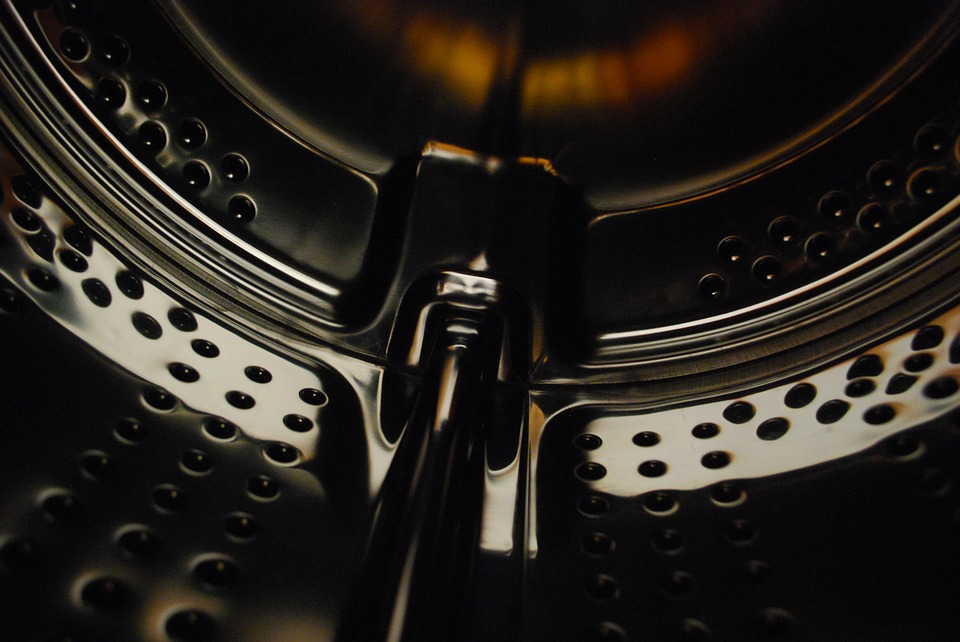
When discussing the most common types of repairs with people from a washing machine repair Sydney service, they have pointed out that most issues arise from improper loads of laundry. Most commonly, people tend to overload the machine. This puts extra strain on its engine and causes it to wear off quickly. As a general rule, try filling it until it reaches only about half-way through the window. Bear in mind that not all laundry acts the same when you soak it in water, so a load of underwear is not the same as a blanket. On the other hand, try not to underload it as it is a waste of energy and it can cause strong vibrations.

Washing machine - drum

Image source: Pixabay

The Oven

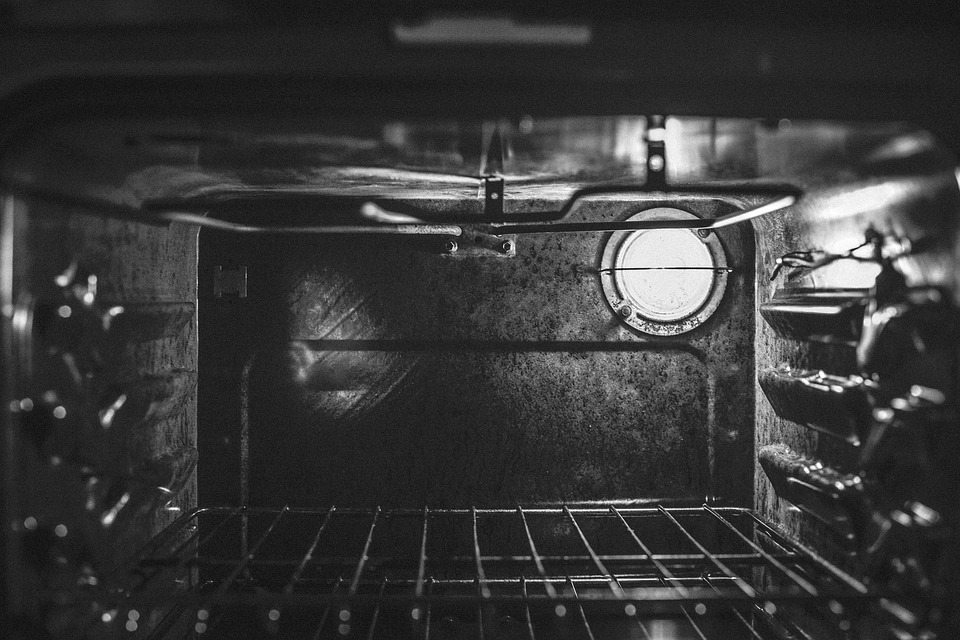
All of your home appliances should be cleaned regularly if you want them to last longer, however, ovens need it possibly more than others. Clean your oven thoroughly and regularly but as a most important piece of advice, watch what you clean it with. A lot of cleaners are composed of strong chemicals and can damage the inner surface of the oven. When applied directly, especially around the buttons, the chemicals could find their way to the electrical components and cause a short circuit. Use only safe designated cleaners and make sure you ask for recommendations first (also, consult the instruction manual).

Oven

Image source: Pixabay

The Dryer

Some of the most important tips regarding dryers, is to watch what and how much of it you put inside, as well as regular cleaning. If you want to reduce strain on its engine, you will put in the same amount you had in the washing machine. So, one load of washing should be one load of drying, provided that you didn’t overload the washing machine in the first place. Furthermore, if you look at items such as shoes, which are not recommended for dryers, but you can use it if you are in a hurry, you should make sure to put it inside along with something else. It bouncing around could snap the dryer drum belt.

What seems to make the greatest difference is simply taking a couple of minutes to think before using and maintaining. This is important to point out as most of us are on autopilot when using them.  Read the manuals and read out maintenance tips, apply the knowledge and get years out of your appliances.

How To Choose Furniture For Small Spaces


Photo from Pexels.com

So you’ve scored a place to live, which is a massive achievement in today’s times, but you still need to furnish and decorate. Maybe you’ve resorted to small space living, or maybe you just have a small room you want to make use of, either way, choosing furniture for small spaces is a difficult task. Here are some tips to furnishing the space you have, no matter how small.

Use the perimeter of your room

It seems obvious, but so many people skip out on this. Mount your television to the wall, so you don’t waste floor space on a cabinet or table to hold it up. You can also find wall mounted shelves which, honestly, are lifesavers.  Another good option is to purchase tall dressers and bookshelves to make the most of your wall space.


Go multifunctional


Multifunctional furniture for small spaces is a great way to save room in your home. Your beds and couches are usually the most space-consuming pieces of furniture in your home. It’s an all too familiar scenario: You walk into an empty room thinking it’s reasonably big until you throw a bed into it and realise how little floor space you have. Take advantage of this and buy beds and couches with storage underneath. This way you can re-purpose otherwise wasted space, saving room elsewhere in the house.


Though it can be more expensive, modular furniture is also a stellar way to save room. This can be particularly exciting for parents with creative children, as you can teach them about the functionality of space and let them get creative with designing it themselves.


Small Space Solution Sunroom Corner with Built-In Beds.

Photo Source Design Folly, Flickr.

Control your light


A classy and elegant way to transform a space is with light. Unless you’re a photographer, lighting is probably something you rarely think about in your day to day life. But the truth is, we go about the day being constantly manipulated by light. It changes the way we feel. For instance, people tend to feel happy and safe in sunny and warm areas, or suspicious and uneasy in dark and shadowy areas. This is why you can completely change the way your home feels with something as simple as blinds, as you can take complete control over the lighting in your home. On top of that, you can purchase dimmable lamps and various bulbs, small furniture for small spaces that puts you in control of the room’s mood.

Re-evaluate your furniture


How much of your stuff do you actually need? Once you start breaking down the purpose of furniture in your home, you can really start to consider whether you need it or not. I have a cousin that always complains about how little space he has for his kids to play around in. He has a large coffee table right in the middle of the room, taking up an enormous amount of ‘playable space’ but he never actually uses the table. He’s too scared of scratching it up or getting burn marks on the wood. Once I asked him why he even needs the table and his response was so he can store his magazines. I never saw anyone in his family touch those magazines once! Instead of children using the space to play and learn, he decided to waste it on storing magazines he didn’t even read. Your scenarios may not be as ridiculous as that, but I guarantee if you go through your house and mentally break down all of the furniture you have, what it’s purpose is, and whether you really need it, you will most likely find some items you could get rid of. You could even sell them and make some money.


Furniture design for small spaces can seem like an almost impossible task. You need to build up, and you need to build smart. Make the most off all of the wall space you have available, and don’t let any area go to waste. Re-evaluate what you need, and if you have items that are hogging half your room, get rid of them and find something else.

A Good Use For Shower Curtain Hooks

You can use shower curtain hooks for lots of different reasons. Pictured we used the hooks for hanging of purses and jeans. But you can also use them in your closet for belts, scarves and many other items.