9 Tips For Sustainable Living

What do you picture when you think of sustainable living? Maybe it’s dramatic changes like ocean conservation work or switching to wind power. While big efforts are important, sustainable living is an aspect of daily life that can be implemented in small ways. You may be surprised at how small of a change you can make for a real improvement in sustainability, especially when that effort is sustained over time. Here are our nine tips for sustainable living.

https://unsplash.com/photos/0w-uTa0Xz7w

Alt text: A sun setting behind windmills and a grass field

File name: sun-setting-behind-windmills-grass-field

Tip #1: Turn Off the Light

The average annual electricity consumption for a US household in 2018 averaged over 28 kilowatt-hours per day. A kilowatt-hour is equal to one 100-watt light bulb left on for 10 hours. And we’re averaging more than 28 of those a day in our households! Most of this energy usage comes from lights being left on all day.

Turn off your lights when you leave the room. Conserving the light might mean opening the curtains and letting natural light in. Maybe all you need is a small lamp. We tend to overuse electrical lights unnecessarily.

There are also ways to cultivate sustainability in home decor with your lighting options. What are the materials of your light fixtures made from? Take into consideration how your lights are shipped or provided to you. Sustainable packaging can make all the difference. Sources that prioritize sustainability will help you be sustainable too.

Tip #2: Invest in the Reusable Options

A big part of living sustainably is reusing what you can. We have a lot of daily-use items in our lives that are disposable. But, there are also reusable options available like straws, plates, water bottles, towels, and grocery bags. Don’t be afraid to get creative with your reusable materials, and explore all the new items that are being created every week.

https://unsplash.com/photos/EU1R18L1Kb4

Alt text: A marble kitchen counter with reusable straws and fresh fruit

File name: marble-counter-reusable-straws-fresh-fruit

Tip #3: Conserve Your Water

Watching your water usage is an oft-repeated eco-friendly measure, but there might be some specific tips you haven’t considered. We’ve all heard about the importance of taking shorter showers, but have you thought about getting a water-saving showerhead or a shower timer? You may not be aware of how much water you’re using or saving until you start to keep track of it.

Tip #4: Rethink Your Commute

Commuting is a necessity for many people, but you can make your commute a part of your sustainability commitment. If you work close to your home, try walking or biking to work. Taking public transportation is better than taking your vehicle. If you have to drive a car, consider getting an electric one, and carpool as much as possible. If you fly on planes frequently, make sure you find an airline that utilizes zero-waste practices.

Your sustainable commuting routine can also be more basic: take the stairs instead of the elevator. It’s the little things like this that add up.

Tip #5: Dress with the Environment in Mind

A sustainable lifestyle includes supporting sustainable fashion. Sustainable shopping isn’t to be confused with thrift shopping — although getting secondhand clothes is more sustainable than buying new ones. When you decide to buy new clothes, it is better to buy “slow” fashion rather than fast fashion — meaning you choose higher quality items that last longer.

Better quality also often means brands are more environmentally conscious. Plus, in addition to choosing the styles that last longer, you can also make your clothes last longer by doing simple repairs yourself.

Tip #6: Take a Closer Look at Your Bedding

A sustainable life looks at the little details, especially for items you use every day. There are plenty of ways to be more sustainable with your bedding.

You want to choose products from a company that utilizes sustainable practices and uses good materials. Bamboo fabric is beneficial for the environment. Sourcing sustainable fabrics is a great way to institute an eco-friendly lifestyle all across your household.

Tip #7: Ditch the Printer

Today’s world is digital. You don’t need a home printer. If you have to print something, you can seek one out. But not having a printer on hand will save you from printing items you don’t need to print. Practice storing files and information digitally to promote a more sustainable lifestyle.

Tell your bank you want electronic statements. Get receipts emailed instead of printed. Take notes on an electronic device instead of on a pad of paper. Go paperless and then encourage your peers to do the same.

Tip #8: Donate Your Belongings

Just because you’re done with something doesn’t mean no one else can use it. When you donate items you don’t use anymore, you help the environment by keeping them out of the landfill. Donate what doesn’t bring you joy and give it to someone who can reuse those items for a win-win!

Tip #9: Save Gift Bags and Wrappings

This is a small tip, but it can have a big impact. Whenever you get gift bags, save them instead of throwing them away. You can do the same with tissue paper or other wrappings that don’t get ripped or damaged when you open the present. This will not only save you some money but it will help the environment.

Encourage Working Together

Sustainable living works best when everyone makes the same commitments. It doesn’t do much good if you take short 4-minute showers and everyone else still takes long 30-minute showers.

And it won’t matter as much if you are the only one taking public transport to work. If everyone else in the office drives their car separately try to address the opportunity to increase sustainability. Encourage your coworkers to brainstorm together and try to coordinate carpooling times. Together you can make a much larger positive impact by organizing carpool groups.

The possibilities for sustainability are endless. And when you work together to achieve your sustainable living dreams you can make the world a lot better. All it takes are small meaningful changes to make a world of difference.


Tips For Keeping Your Home Healthy

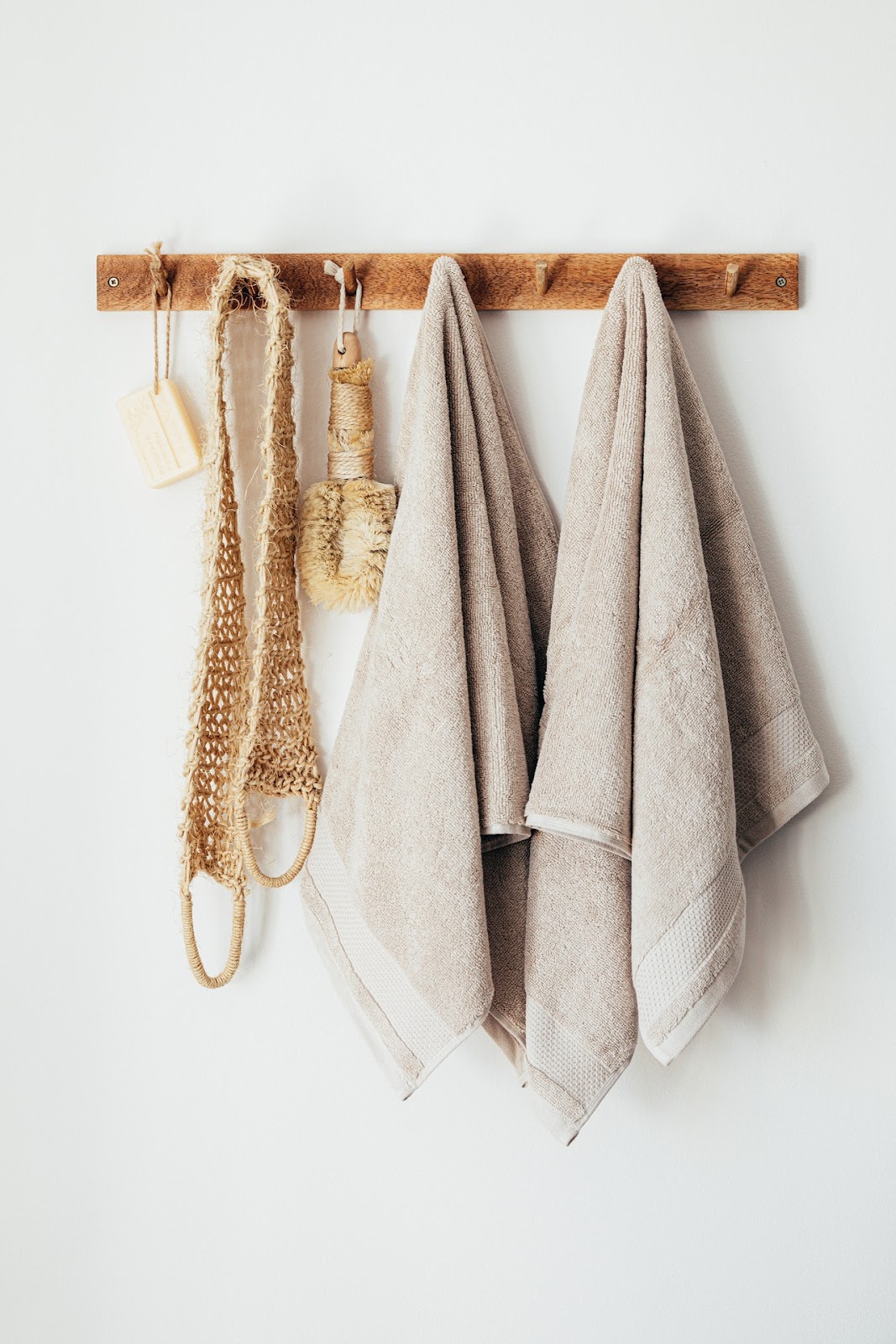
Photo by Karolina Grabowska from Pexels

If you want to keep your home healthy, your top priority should be to keep your home clean. Here are efficient ways you can maintain your home to create a safe and healthy living environment. 

Declutter your Space

So, the first and most important thing you need to do in order to keep your house clean and healthy is to declutter your space. You have to start with bigger stuff to get to the finer cleaning tasks like dusting and vacuuming.

Efficiently done decluttering process will free up a lot of space. Clothes that are lying around for no reason will only make you trip every time you try to walk around. That kind of clutter will only limit your space for movement and it will make you stressed and anxious whenever you look at it.

On top of all of that, having dirty clothes and wet towels lie around just about anywhere is very bad for your health. This kind of clutter creates perfect conditions for bacteria to grow and spread around. So, take your time to properly declutter, do your laundry and maybe go through your wardrobe and see if there are any clothes you no longer wear. You can either donate it or get it recycled. 

Keep the Kitchen Clean

Kitchen should be one of your top priorities. This is the space in which you prepare your food and eat. The last thing you want is to have all sorts of bacteria and infections running around freely where your food is. So, take your time and be very thorough when it comes to cleaning your kitchen.

Firstly, make sure to clean your kitchen sink regularly. Unclog the pipes, switch to new sponges regularly and wash everything off. The kitchen sink can get stinky if you don’t maintain it. Make sure to clean out your fridge every once in a while and don’t forget to clean your stove since stains can dry out and cause a whole mess that is hard to get rid of. 

Don’t Forget the Bathroom

The bathroom is tricky because this is where you take care of your hygiene. It needs to be clean and sanitised. That means to wet towels lying around to collect bacteria. Change your towels regularly and make sure to wipe off any excess water off the surfaces in the bathroom. 

The wet and moist environment is the best for bacteria. That is why you need to take extra care of your bathroom and prevent mould from developing on the walls. Making sure to ventilate or let enough air in is very important.

Let the Fresh Air In

Speaking of which, if you want to live in a healthy environment you need to let some fresh air in. make sure to open your windows in the morning when you wake up and let the fresh breeze inside. The fresh air will help clear your mind and breathe with your whole lungs. It’s good both for your physical and mental health.

Get some Houseplants

Another great way to get some fresh air is to simply get some houseplants for your home. Firstly, they look amazing ad can create a whole new aesthetics in your home. Secondly, they will quite literally bring life into your living space. They will produce more quality air for you and make a better living condition for you and your family. Just make sure to take care of them well. Water them as much as they need and let them sunbathe. 

Take care of Pest Control

In order to prevent infection growth and spread, you need to take care of pest control. If you haven’t already, you need to consult experts and get them to check your home to see if there’s any need for pest control. In case you live in a flat, in a bigger city, chances are that you sometimes might have cockroach outbreaks in the pipes. In that case, getting professional cockroach pest control services is simply a necessity if you want to keep your home clean, safe and healthy.  

Sanitize your Home

This goes together with the previous statement. Keeping your home sanitised will prevent all sorts of bacteria and infections from spreading around. You are also less likely to get any pest-related issues in the apartment if you clean and sanitise everything correctly and thoroughly enough. Just make sure there are no wet spots around the house that will attract the pests.

Use a Doormat

Lastly, if you want to maintain your home and keep it clean with almost zero effort so that you don’t have to vacuum every day, use a doormat at the entrance. It will make sure that most of the dirt, dust, debris and water stay outside; or you can start wearing slippers around the house. 

Conclusion

In conclusion, keeping your house healthy means you have to keep it clean and sanitised. Hopefully these tips were enough to help you organise your cleaning check list. 

Is Historic Preservation Trending in Home Interior Design?

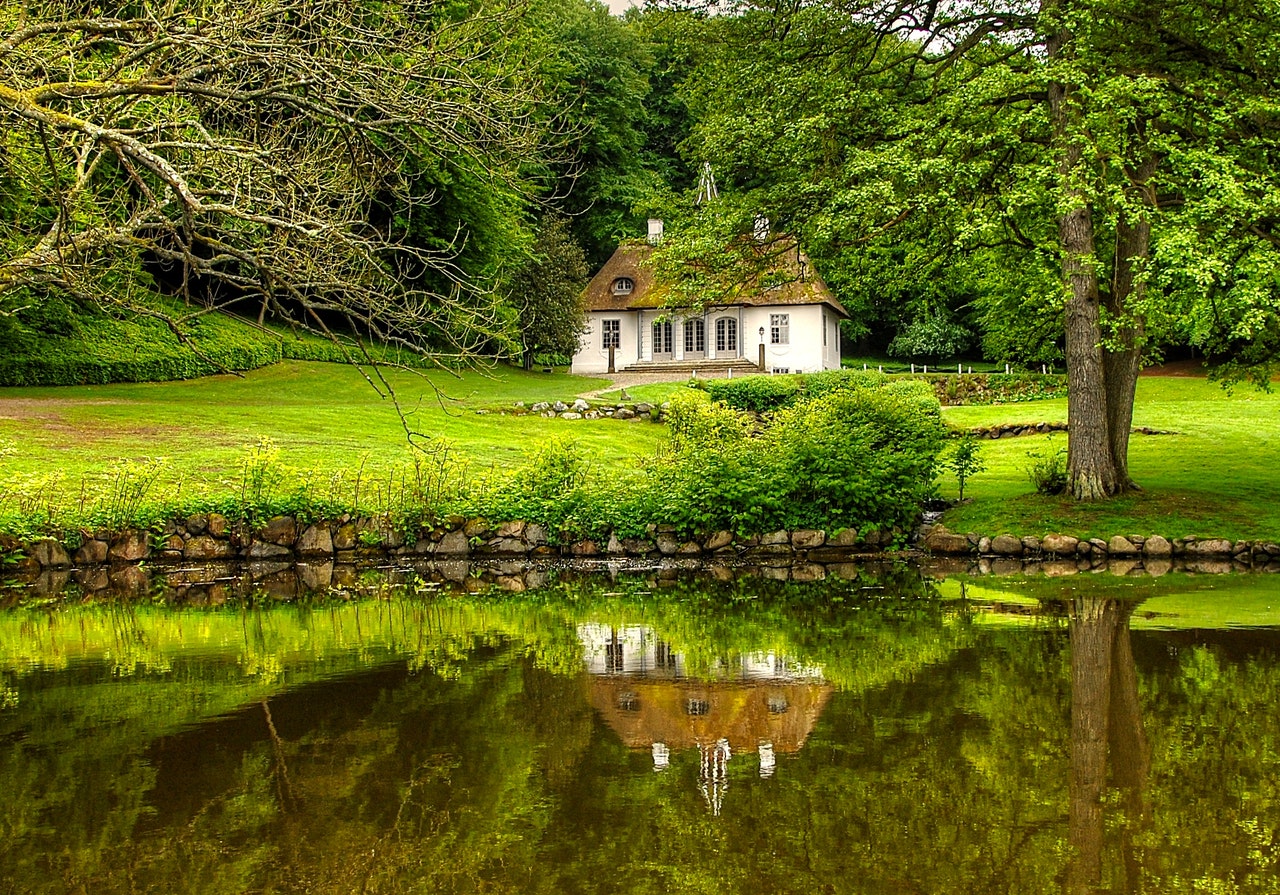
Image Source: Unsplash

Is Historic Preservation Trending in Home Interior Design?

Interior design trends come and go. Chances are, you’re not going to find green shag carpet from the ’70s in someone’s home today (thank goodness some trends fade for good!). But, what’s old can sometimes become new again. Certain trends are recycled or brought back to life for a variety of reasons.

One trend that is currently seeing a huge surge in popularity is historic preservation. You can chalk it up to home design shows on HGTV, inspirational boards on Pinterest, or just pictures and before/after reveals all over social media.

Whatever the reason, more people are seeing the value in home restoration and preservation. Many want to keep the historical elements of an old house intact rather than gutting the whole thing.

But, if this is truly a “trend,” can you expect it to stick around? What’s the value of restoring a historical home, and what should you expect?

Understanding and Increasing Value

It’s not uncommon for historical houses to be “diamonds in the rough,” allowing buyers to purchase them at a low listing price so they can restore them to their natural glory. But, that isn’t the case with every old home. To have a better understanding of what a property is worth, consider some of the following:

  • The existing foundation and what it’s made of
  • Quirky aspects of the home
  • Craftsmanship and details
  • Original colors, textures, and materials

If the home needs remodeling, there are things you can do to add value while keeping some of the historic charms. Some of the best improvement projects that can boost overall value include adding a bathroom, converting the attic space, remodeling the kitchen, and improving energy efficiency.

Things like new windows, a new HVAC system, and even new wiring can often be necessary repairs and improvements to historic homes, especially when it comes to keeping them safe. If you’re interested in a classic piece of Southern architecture, for example, you might need to make renovations that properly prepare the property for natural disasters like hurricanes and flooding. Things like sealing cracks in the foundation and adding retaining walls can make a big difference.

What to Know Before Preserving a Home

If you’ve fallen in love with the bones of an old home and it’s got a great listing price, you might be tempted to jump in right away with your sledgehammer. But, there are a few things to keep in mind before you put a lot of time, effort, and money into a home restoration. Before you start any rehabilitation, check the following off your list:

  • Research the building’s history
  • Identify interior elements
  • Assess what needs to be altered
  • Pay attention to any deterioration
  • Draw up plans

You also should consider any potential challenges you might face along the way, including planning and adjusting your budget for any unexpected repairs, and working with your local historical commission. There may be some things within the home that can’t be changed. A historical commission group can guide you through those things, but it can be a lengthy process. It’s also a good idea to work with a contractor and home inspector. They’re trained to see potential risks or problems that you might not discover on your own.

Is Historic Preservation a Lasting Trend?

Historic homes are becoming popular again for a reason. People love the charm, the attention to detail, and the comforting, familiar feel of an old house. But, is it a lasting trend, or is it something that will lose its luster after a while?

It’s hard to pin down an answer. While many home trends don’t last long, it seems that historic restoration gets a boost in popularity every few years. The most important thing is to decide if it’s the right option for you.

There are some aspects of a historic home that will undoubtedly seem outdated, and may not even appeal to you. For example, many modern homes have open-space concepts, and whether you have a larger family or just like the feel of more space, that’s a trend that’s not going away any time soon. Many historical homes are known for having multiple rooms, but those rooms aren’t necessarily that spacious.

You can keep the charm and integrity of an older home while increasing your space with just a few small changes, like:

  • Getting creative with storage options
  • Installing shelves
  • Investing in multi-use furniture

You can also choose to tear down walls in certain areas to increase the size of certain rooms. That’s obviously a bigger undertaking, but it doesn’t necessarily have to take away from the “older” appeal of the home. It may even make it feel more luxurious, like a Victorian mansion.

Historic preservation is absolutely a hot trend. But, because of the comfort and charm of old homes, it’s a trend that is likely to stick around – even if it becomes mixed with modern touches. Take the details into consideration and recognize all that goes into home restoration before deciding if it’s right for you. But, don’t be afraid to take on a historic project if bringing an old home to life is something you’ve always wanted to do.

6 Roof Maintenance Tips Every Home Lover Should Know

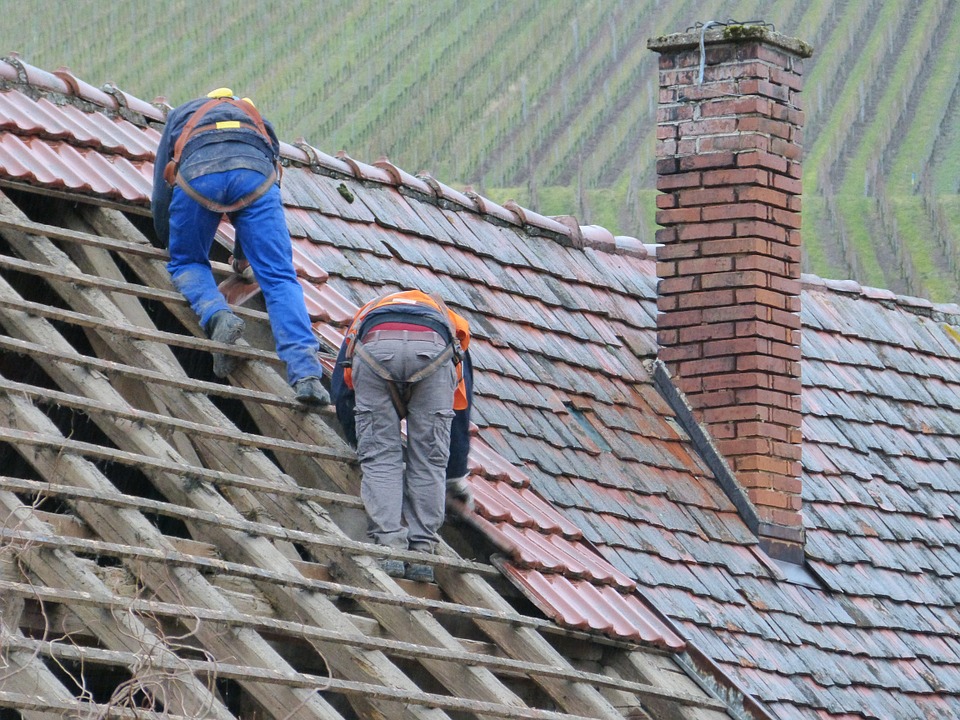
Roof is what is standing between you and sunlight, rain, snow, feces of birds along with natural disasters. Since we have established that the roof is the most important part of any individual’s life, let me ask a question that is going to make a bunch of you very uncomfortable. What are you doing to keep it over your head? How often do you run maintenance sprees on it? 

Have you thought about it? Would you like to do something to make the big fat investment which is your roof safer? Your stars are aligning just in the right direction today, as I am going to teach you six simplest of the ways to keep your roof healthy for years. 

  1. Get Rid of Those Branches 

When the trees and branches are friends of the environment, the same cannot be said about the relationship of your roof and branches, according to the Roof Professionals

Simply put, branches are evil for your roof. You cannot allow trees to grow above or near your home’s roof at any cost. While it may sound bizarre, due to trees providing us the much needed oxygen factor, the truth is during any sort of natural disaster, even in the case of strong winds, branches tend to break. Breaking heavy branches may fall onto your roof, ending up damaging your roof. Maybe even breaking it. 

So, if after looking at a branch you wonder, “if it is too close?” Well, it might really be. The excellent solution will be to chop off the tree while planting a new one away from your roof, you can also go for trimming the tree every then and now, to get a secure roof.

  1. The Downspouts Cleaning 

Downspouts or roof drains are often clogged after a heavy rain and for obvious reasons as well. After clearing gallons of water off your roof, some things like dirt, stones, leaves, et cetera will block it naturally. These vertical pipes that run down to the gutters are lifelines of your roof. 

They evacuate the rainwater from your roof, not allowing it to accumulate on your roof and messing it up. So, if you ever run across a clogged downspout, just try adding screens into them. Mesh screens are just another shortcut to cleaner downspouts. 

Another downspout prevention is to keep in mind that there are many joints, connections, and elbows used in downspouts. You must keep all these connections in check as well for any leaks and cracks. 


Your best bet is to check the pipes when it is raining. Fix if there are any leaks in the pipe or it may collapse very soon. 

  1. Mingling With Shingles

This one is the easiest one on the list so far. As a homeowner you have to know how to check your roof shingles. It has to be a part of your weekend routine. Pay your roof a visit during the weekends and check for any broken or missing shingles. 

You should also pay attention to how your roof shingles look. If any area looks really streaky to you or you may find any cracked shingles, change them as soon as possible. Shingles can also be inspected from the ground. However, not all of them will be visible from down there, you eventually may have to go back up on the roof for a thorough inspection. 

  1. Look Out For the Signs Within the Home

When there is something wrong with your roof, your home will start spreading out the signs all over it. All you need to do is, look. Translate what your home is telling you about your roof’s condition. 

Look for molds or any big black spots on your ceiling. If there are black spots on your ceiling, there are good chances that somewhere on your roof, either water or moisture has accumulated. Both of them will ruin your home in no time. Better keep them under the check. 

Dipping water from the roof is also a huge red flag, that indicates that your roof has been cracked. Repair the roof without any delays in this scenario, you do not have much time. 

  1. Adopt a No Nest Policy 

It is your home, it is your roof, there cannot be a place for any bird or its family. Similar policy needs to be adapted for rodents as well. They can look cute but they are really the villains here. They will dig holes into your roof to make it their own home. 

You do not want holes in your roof do you? Good, chase them away whenever you notice any bird, squirrel or rat sitting on your roof for too long. 

Their presence under your roof is a bad sign and you should chase them out immediately when you notice their movement. Squirrels, as cute as they are, can and will chew onto your roof. Hence the no nest policy.  

There Can be Underlying Issues

There can be a lot of underlying issues, when it comes to roofs. You can add or replace attic insulation, can ensure proper ventilation in your home and there still can be issues. It is your most important part of the home we are talking about. 

With all the personal inspection, you should always get your roof checked by the professionals, every then and now. It is not about money, but about saving your life earnings and your family. A broken roof can end up hurting your family. 

So, even if you can, once every year, ask the pros to check your roof thoroughly for any dangerous business. 

Ending Note

So, these are six pro tips that are going to help you in protecting your home’s roof while extending its life. I am sure these tips will help you save a lot of money in repairs. You are going to eliminate the problem before it is even going to start. 

To end, while using any of these tips, always keep your security and your family’s as top priority. Whenever you are in doubt, it is safer to call the experts in, rather than doing a DIY on the roof. It is an important part of your life, take care of it with love. 

Drain Clog Fixed With A Zip Tie

We all have problems with drains every once in awhile. Most of us have zip ties or they are now very cheap to get. Its easy to use a zip tie to clean out a drain by cutting little notches in a zip tie as shown in the picture above. Then take the zip tie and push in and out of the drain. This helps bring up hair and other items that get lodged as it goes down the sink. You can also use a zip tie to scrape the sides of your drain and eliminate buildup.