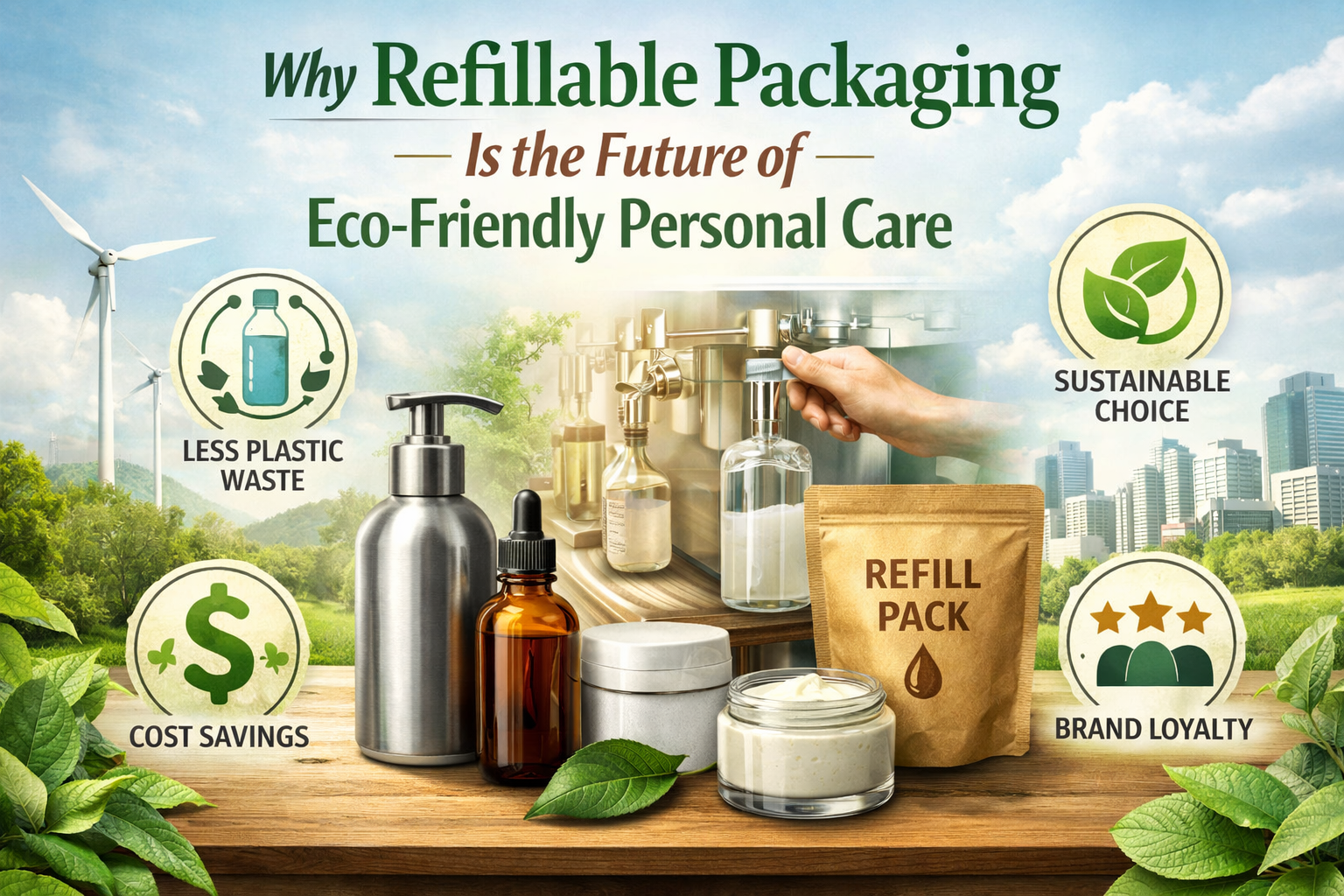
Why Refillable Packaging Is the Future of Eco-Friendly Personal Care

The global personal care industry is undergoing a sustainability revolution. From  skincare and haircare to oral hygiene and cosmetics, consumers are paying closer attention not only to what goes into their products, but also how those products are packaged. As awareness of plastic pollution and climate change grows, eco-friendly personal care packaging has emerged as a critical focus area for brands looking to stay relevant, responsible, and competitive.

Traditional single-use plastic packaging has long dominated the personal care sector due to its low cost and convenience. However, this model is increasingly being challenged by environmental concerns, stricter regulations, and a new generation of conscious consumers. Today, sustainable packaging solutions —especially refillable systems—are becoming one of the most influential trends shaping the future of personal care.

The Environmental Impact of Conventional Personal Care Packaging

Personal care packaging contributes significantly to global plastic waste. Shampoo bottles, lotion containers, deodorant tubes, toothpaste packaging, and cosmetic jars are often used for only a few weeks before being discarded. While many of these items are technically recyclable, the reality is that a large percentage never make it through proper recycling channels.

Several issues make traditional packaging problematic:

  • Mixed materials that are difficult to recycle
  • Small-sized packaging that recycling facilities often reject
  • Contamination from leftover product residue
  • Limited recycling infrastructure in many regions

As a result, millions of tons of personal care packaging end up in landfills, incinerators, or oceans every year. This growing environmental burden has forced both consumers and brands to rethink packaging choices.

What Is Eco-Friendly Personal Care Packaging?

Eco-friendly personal care packaging refers to packaging solutions designed to minimize environmental impact throughout their lifecycle—from production and transportation to usage and disposal. These solutions focus on reducing waste, lowering carbon emissions, and promoting reuse or recyclability.

Key characteristics of sustainable personal care packaging include:

  • Reduced use of virgin plastic
  • Reusable or refillable designs
  • Recyclable, compostable, or biodegradable materials
  • Minimalist and lightweight packaging
  • Responsible sourcing and manufacturing processes

Among all these approaches, refillable packaging has gained exceptional momentum due to its ability to significantly reduce single-use waste.

Why Refillable Packaging Is a Game-Changer

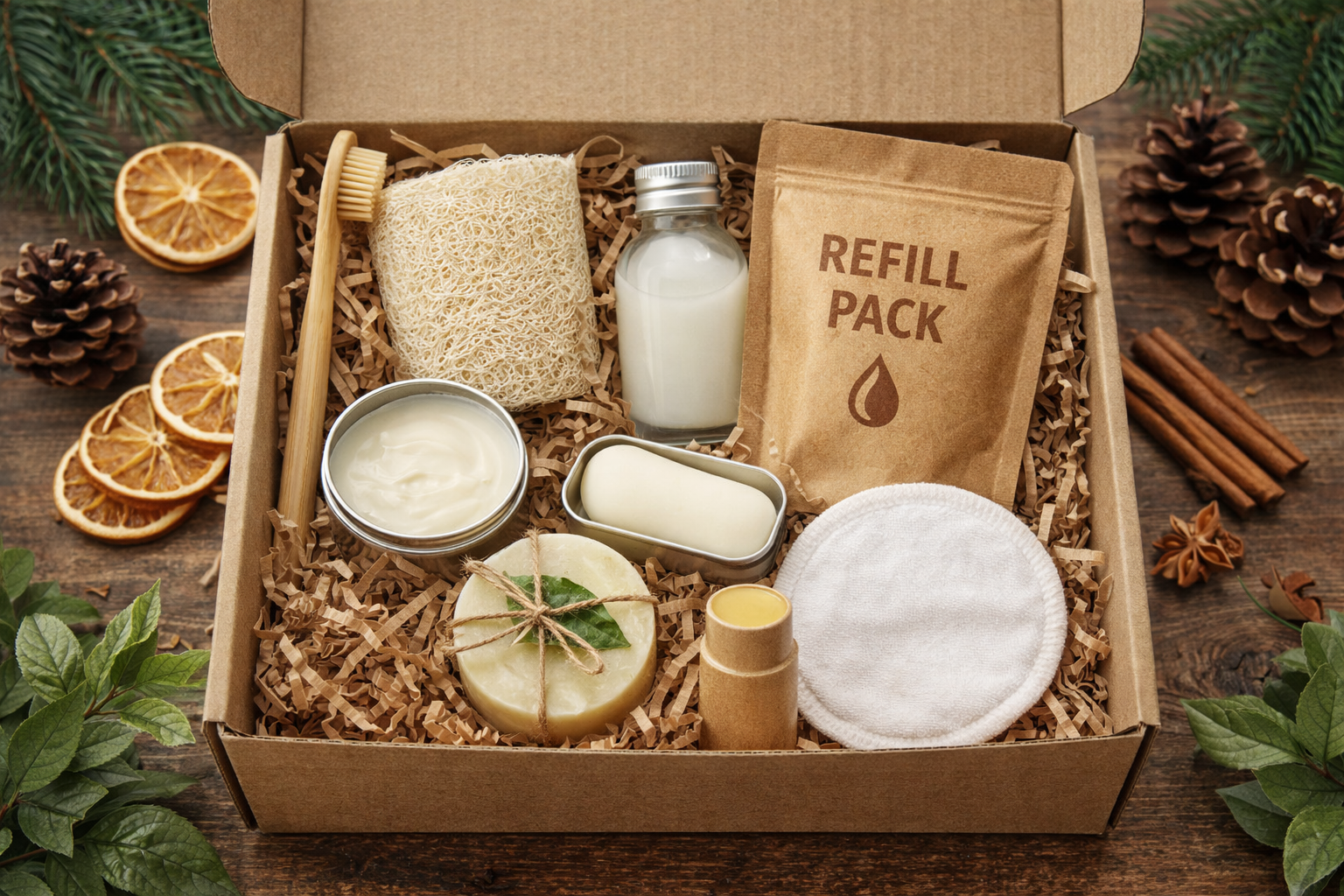
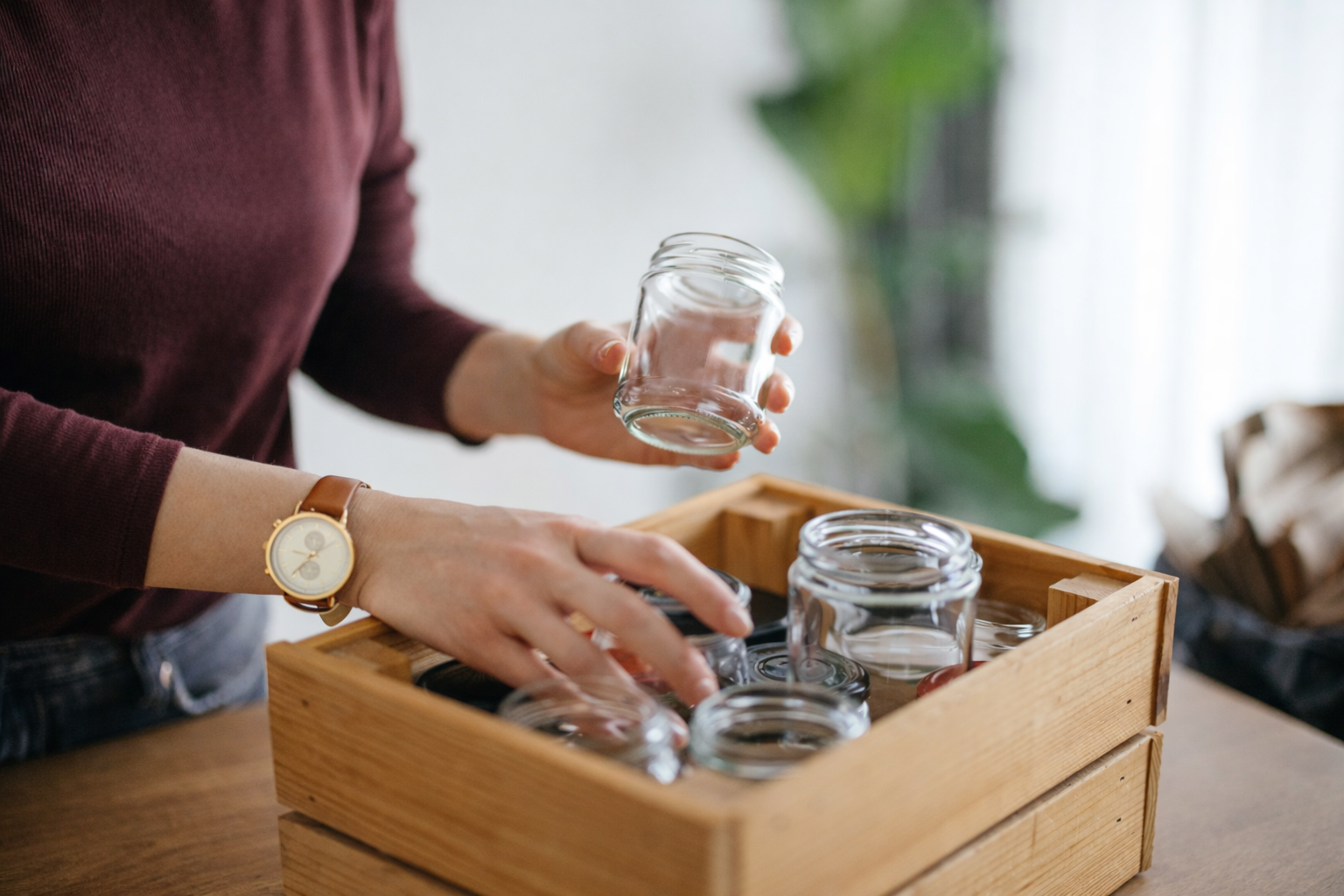
Refillable packaging allows consumers to reuse the original container multiple times while replenishing the product through refills. These refills may come in the form of pouches, concentrates, tablets, or in-store refill stations.

This model offers several advantages:

1. Significant Waste Reduction

By reusing the same container repeatedly, refillable packaging drastically cuts down the amount of plastic entering the waste stream. Even when refill pouches are used, they typically require far less material than full-sized bottles.

2. Lower Carbon Footprint

Refill systems often use lighter packaging, which reduces transportation emissions. Concentrated refills further minimize environmental impact by requiring less water and packaging during shipping.

3. Long-Term Cost Benefits

Although refillable containers may have a higher upfront cost, refills are generally more affordable. This pricing model appeals to consumers seeking both sustainability and value.

4. Stronger Brand Loyalty

Refillable packaging encourages repeat purchases and long-term brand relationships. Once consumers invest in a refillable container, they are more likely to stick with the same brand for future refills.

Materials Driving Sustainable Personal Care Packaging

The success of eco-friendly packaging depends heavily on material innovation. Several sustainable materials are now widely used in personal care packaging:

Aluminum

Aluminum is lightweight, durable, and infinitely recyclable without losing quality. It is commonly used for deodorants, creams, and haircare products.

Glass

Glass offers a premium aesthetic and is fully recyclable. While heavier than plastic, it is highly reusable and often used for skincare and fragrance packaging.

Stainless Steel

Known for its durability and hygiene, stainless steel is ideal for long-lasting refillable containers, particularly in luxury or minimalist brands.

Paper-Based Packaging

Innovative paper and cardboard solutions—often coated with biodegradable or water-resistant linings—are replacing plastic in soaps, cosmetics, and dry personal care products.

Bio-Based and Compostable Materials

Materials derived from plant sources such as sugarcane, cornstarch, or bamboo are increasingly being used as alternatives to petroleum-based plastics.

Minimalist Packaging: Less Is More


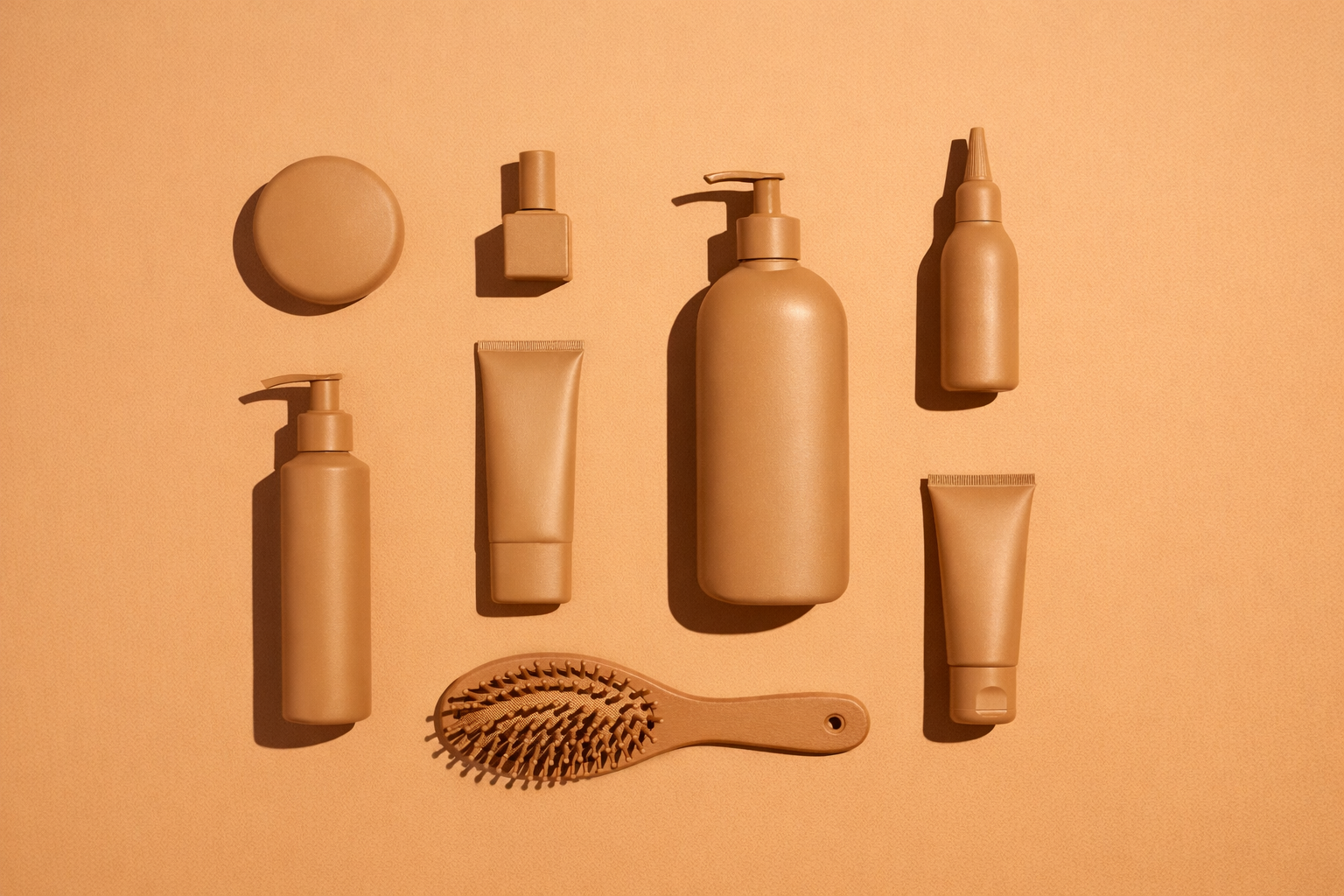
Another major trend in eco-friendly personal care packaging is minimalism. Brands are reducing excess packaging, eliminating unnecessary layers, and focusing on clean, functional design.

Minimalist packaging not only reduces waste but also resonates with consumers who value transparency and simplicity. Clear labeling, neutral colors, and compact designs communicate sustainability while maintaining a modern aesthetic.

Consumer Demand Is Driving Change


Today’s consumers are more informed than ever. They actively research brands, read labels, and question sustainability claims. Studies show that a growing percentage of shoppers are willing to pay more for products with environmentally responsible packaging.

Key consumer expectations include:

  • Honest sustainability claims
  • Visible reduction in plastic usage
  • Clear instructions for reuse or recycling
  • Packaging that aligns with brand values

Brands that fail to meet these expectations risk losing trust and relevance in an increasingly competitive market.

Regulations and Industry Pressure

Governments and regulatory bodies worldwide are implementing stricter policies around plastic usage and waste management. Bans on single-use plastics, extended producer responsibility (EPR) laws, and packaging taxes are pushing companies to adopt sustainable alternatives.

In response, many personal care brands are proactively investing in eco-friendly packaging to future-proof their operations and comply with evolving regulations.

Challenges in Scaling Eco-Friendly Packaging

Despite its advantages, sustainable personal care packaging presents several challenges:

  • Higher production and material costs
  • Supply chain limitations for sustainable materials
  • Consumer education and behavior change
  • Hygiene and safety concerns with refills

However, brands that invest in innovation, user-friendly design, and clear communication are successfully overcoming these barriers.

The Role of Innovation and Technology

Technology is playing a crucial role in advancing eco-friendly packaging. Smart refill systems, QR codes for recycling guidance, AI-driven material optimization, and improved compostable materials are making sustainable packaging more efficient and accessible.

Some brands are also experimenting with solid and waterless personal care products, which eliminate the need for traditional liquid packaging altogether.

The Future of Eco-Friendly Personal Care Packaging

Eco-friendly personal care packaging is no longer a niche trend—it is becoming the industry standard. As innovation accelerates and consumer demand grows, refillable and sustainable packaging solutions will continue to evolve.

In the near future, we can expect:

  • Wider adoption of refill stations in retail stores
  • Subscription-based refill delivery models
  • Greater standardization of refill packaging
  • Increased collaboration across brands to reduce waste
  • Stronger focus on lifecycle assessments and transparency

Conclusion

Eco-friendly personal care packaging represents a powerful opportunity to reduce environmental impact while building stronger connections with conscious consumers. Refillable systems, sustainable materials, and minimalist designs are redefining how personal care products are packaged and consumed.

For brands, embracing sustainable packaging is not just about compliance or image—it’s about long-term resilience, innovation, and responsibility. For consumers, it offers a practical way to make everyday routines more environmentally friendly.

As the personal care industry continues to evolve, eco-friendly packaging will remain at the heart of a cleaner, greener future—one refill at a time.

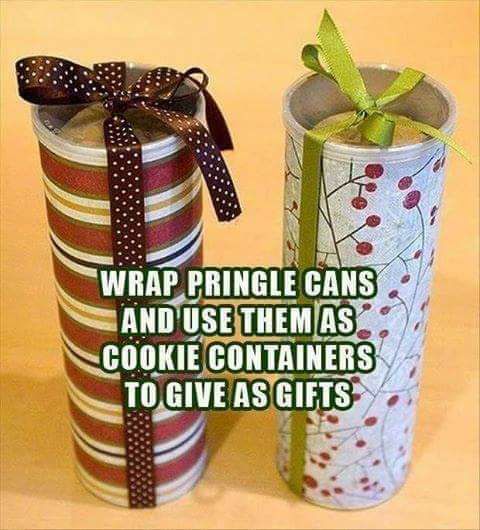
    Pringles Cans Wrapped As Presents Make Excellent Christmas Cookie Exchange Containers

    Photo Credit To Unknown

    This is simple and makes giving cookies so much easier. (no need to stop at cookies – because Pringles cans could be used for a variety of Christmas presents.) Why spend money on buying a container to give cookies that most likely would be thrown away or just donated. These are easy to make and they are upcycled so it gives them additional uses.

    Wash the inside of the can with a clean sponge or I used a wipe that was food safe that had bleach. This kept it clean so no bacteria grows.

    Cut a piece of wrapping paper the height of the Pringles can. You will want to cover all of the design and advertising but no need to cover the silver rim or the bottom. When you have it cut you can use spray adhesive to cover surface or use a disposable paint brush and Mod Podge/white school glue. If using school glue mix in a bowl with a bit of water. Do not use excess because the wrapping paper will bubble, warp and then it wont meet the edges of the can.

    The cookies I individually wrapped with cling wrap and placed them one on top of the other. I closed the lid and wrapped them with a coordinating ribbon.

    These looked nice and I think made really nice presents.


    My Cluttered Life – Part 1

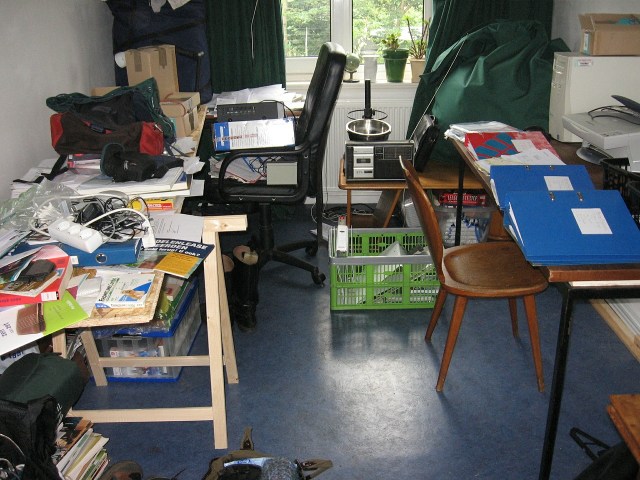
    It has come to a time in my life that I have had an epiphany to the fact I hate clutter. I hate to move it around, to look for certain items and I certainly hate it to move from one place to another. I have started a quest to rid my life of excess. Don’t get me wrong I do like my stuff, but there has to be a line drawn in the sand.

    So I am going to start writing a series of articles about clutter and for some of us hoarding. I will also talk about purging and cleaning and freeing yourself of the burdens ‘stuff’ brings to your life. You can follow these articles under the category ‘My Cluttered Life’ on the side panel of this blog. I will write every now and then. Some will be short and sweet with tips and tricks. Some will be an accounting of my goals and I want you to use them to help make your life a bit more free.

    So, I just moved. Not far away but we moved from a temporary townhouse into a house so everything is now in one place. We moved from Rio Rancho, NM to West Jordan, UT (think Albuquerque to Salt Lake City areas). We moved from a house to a townhouse until we got established and figured out exactly where we wanted to live and where work would be. It took us two years. Yes, that temporary housing didn’t end up being so temporary. That caused a problem.

    When I moved up here thinking it was a temporary move I packed accordingly. I packed stuff for a storage unit and packed stuff to live with for a few months. I figured I would keep things to a minimum that we were living with and I would handle it. So, most of everything went into storage. But when you live in a home for two years you need stuff (Yes, that temporary thin ended up to be two years). So, instead of digging through a three car garage packed very tight we just bought new. Now everything is in one place we have duplicates and lots of them.

    This was the first step to make in my series of articles I am writing. I do not need two of most items. So out went ten good sized boxes that were just literally picked up by Big Brothers Big Sisters. It feels good to pass on items that were perfectly good to someone who could use it while it benefiting a worthwhile charity and in turn freeing up space in my home. I am sure I will find more duplicates as I move through the house but that is alright. I can make another large load to donate or take a box at a time to a local thrift store.

    My strategy now is to go to one tote to another. Discard things that are no longer in working condition, broken or just not wanted anymore. I am also using labeled totes to put things that are ‘I don’t knows’. When I am done going through the house I will take one of these totes at a time and everything in the tote will find a home in my home or it will go to the trash or donate. Will write another article on the flip side of doing this. See you all then.

    Repurpose Parmesan Cheese Containers

      1. Fill your clean, empty Parmesan cheese container with baking soda, then sprinkle this kitchen staple into your damp sink, stovetop, or refrigerator shelves to get them spic-and-span.
      2. You can also use a Parmesan cheese container to sprinkle baking soda over your cat’s litter box to absorb odors. The same technique works with your carpets as well; just sprinkle baking soda over dry carpets in the evening and vacuum them in the morning.
      3. Use Parmesan cheese containers to mix and store glitter and confetti that you or your kids can sprinkle over greeting cards, scrapbook pages, and other craft projects.
      4. Does someone in your house like cinnamon-sugar on their morning toast or oatmeal? Avoid the spilled-sugar-on-the-kitchen-floor nightmare by combining in a Parmesan cheese container two cups of white sugar with three to four tablespoons of cinnamon, then sprinkling over your food.
      5. Sugar comes in a plastic bag that’s difficult to store and awkward to use. But keeping it in a Parmesan cheese container makes cooking or baking with sugar convenient and mess-free. This is a particularly handy way to sprinkle powdered sugar over your favorite foods.
      6. Keep a Parmesan cheese container filled with baking soda in your shower. Once or a twice a month, sprinkle some baking soda onto damp hair, massage, and rinse to remove shampoo and product build up (especially before perming or coloring). While you wash your hair, the baking soda will also be softening your skin and cleaning soap residue from the bath tub.
      7. Use a Parmesan cheese container to sprinkle grass seed, weed killer, fertilizer, and red-ant killer in small locations in your yard. Be sure to clearly label the various contents of each container.
      8. A Parmesan cheese container decorated with ribbons or bows is a creative way to give friends and family edible gifts like small cookies or candies.
      9. Use a Parmesan cheese container in the garage to hold nails, screws, and bolts.
      10. Don’t store your kids’ Cheerios or Goldfish crackers in plastic bags, put them in a Parmesan cheese container. The container’s pour spout and secure lid reduce the amount of spilling, so it’s great for long-distance car rides.
      11. Fill a Parmesan cheese container with sidewalk salt to easily de-ice your sidewalks.
      12. Have your kids decorate a Parmesan cheese container and use it as their savings jar; half of the lid fits dollar bills and large coins.
      13. Give Parmesan cheese containers to your kids to play with in the bathtub or sandbox.
      14. Mix and store your own shake ‘n bake bread or crumb coating in a Parmesan cheese container.
      15. Have a playful cat or dog at home? Put a ball inside a Parmesan cheese container and watch your pet chase it around for hours.
      16. If you regularly use cotton balls for makeup removal, you know the large plastic bags they’re packaged in are both bulky and unsightly. Fill a Parmesan cheese container with cotton balls so you can keep them at-hand on the counter or easily pack them when traveling.
      17. Fill a Parmesan cheese container with powdered laundry detergent so you don’t have to heave your economy-sized box of detergent to the laundromat with you. Just make sure you remember to bring the measuring cup along with you!

    Summery Backyard DIY Projects That Are Borderline Genius

    Source: 70 Summery Backyard DIY Projects That Are Borderline Genius – DIY & Crafts