Getting Real: What’s The Deal With “Curb Appeal”?

Once you get your house hunt on, you’ll undoubtedly start hearing lots of terms getting thrown around. From “pre-approval” to “closing costs”, it can be tough to suss out exactly what all of these things mean, especially if it’s your first time looking for a home.

This time, we’re tackling “curb appeal.” Everyone kinda gets it, but really, uh…what is it? No matter if you’re just starting out or have been on the market for a bit, sometimes a little clarity can go a long way.

What is curb appeal, exactly?

Simply put, it’s a first impression.

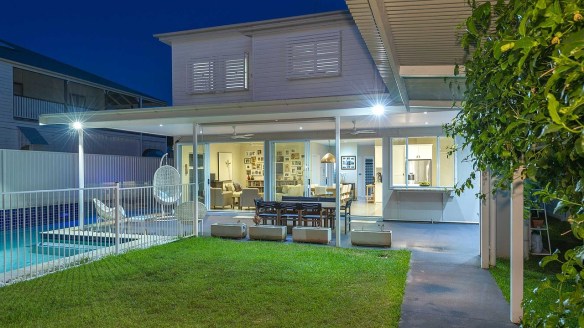
Like it or not, the way that a home looks from the street can have a huge impact on our overall opinion of it. Similarly to how you would put your best foot forward on a first date or job interview, homeowners–especially those in the market for a buyer–often put extra effort into making their home’s exterior look good.

In real estate terms, curb appeal can be anything that adds either functional or aesthetic value to a home’s exterior. As the buyer, you’ll want to factor these types of details into your home search. As you look at listings, make sure to keep an eye out for elements of curb appeal and to make a note of how they sway your opinion on the home.

That being said, it’s important to keep a balanced perspective. Sometimes curb appeal is not indicative of what a home will look like once you head inside, so it should never be used as your single determining factor for whether or not it’s worth taking a look at a home.

Key factors to look for

Now that you know what curb appeal is, it’s time to get a little deeper into the different elements that go into creating a home that is aesthetically pleasing from the outside.

Typically, these items can be divided into a couple of different categories. They are:

  • Structural Items: Be sure to take a look at the condition of things like the home’s roof, gutters, and siding. While aesthetics are good to have, functionality is arguably more important. Evaluate if these items look well-maintained or if they will probably require some work to get up to snuff.
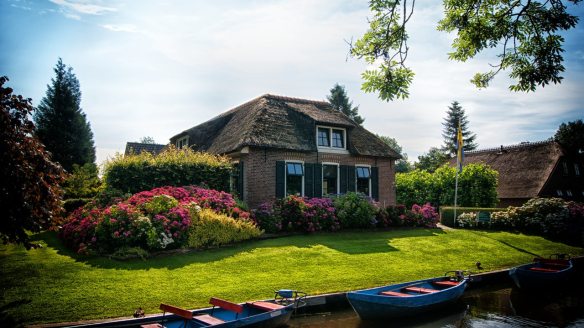
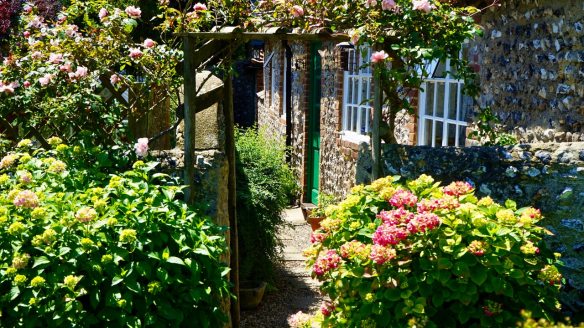
  • Landscaping: How does the overall landscaping look? Has the lawn been mowed recently? Are there any trees or bushes that look like they may need pruning? Did the seller put effort into decorative landscaping with flowers and plants? Landscaping upgrades and maintenance can both add up.
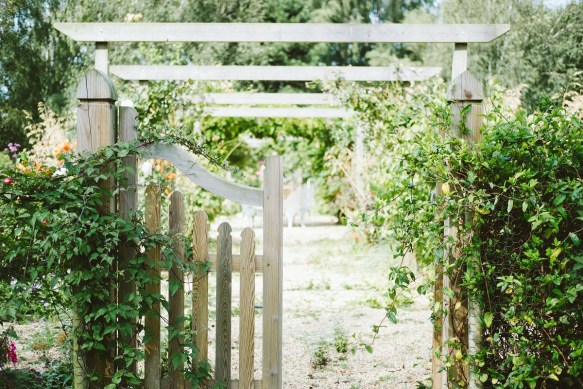
  • Functional Elements: If the home has any functional elements like a pathway to the front door or exterior lights, take a moment to evaluate those, as well.
  • The Entryway: The last element of curb appeal is the entryway. Ideally, the front door will look especially inviting. Has the front door been freshly painted? Are the address numbers predominantly displayed?

Again, these elements shouldn’t make or break your decision on whether or not to make an offer on the home. However, as you look at a property, it’s a good idea to take these factors into account since if you do decide to make an offer, they’ll be inputs into deciding what’s a fair offer price.

Consider the costs

At its core, curb appeal is actually a financial matter. One way or another, improved curb appeal does come with a cost.

A home that looks better from the outside will likely fetch a higher sale price than one without any of these small touches. However, if you decide to buy a property without these small touches, you may need to pay for them in the long run.

If you do decide to go with a property that’s a bit more of a fixer-upper, keep in mind that you don’t have to take care of everything all at once.

While some of the projects listed above are smaller, things like roofing and professional landscaping can end up costing thousands of dollars.

We suggest doing your research and budgeting carefully before undertaking any DIY projects.

But, boosting curb appeal also boosts equity. If you do decide to invest in some of these projects and improve the look and function of your home over time, you should see that benefit come back to you when you re-sell it. You’ll also find that you’ll take pride in enjoying your investment throughout the duration of your time in the home.

This article originally appeared on OpenListings.

Backyard Design Ideas For 2019

Living in a huge Victorian house is a dream of millions of people around the world, especially those who have spent all their lives regretting having been born 150 years too late. But, if you manage to find a cool Victorian house to purchase or rent, you’ll be in a position to turn all your wishes into reality, and all you have to do is maintain this house regularly and keep the high standard. One of the ways to do so is by focusing on the backyard and investing your energy and time into turning it into the best backyard in the world. If you too are planning on doing that sometime in the future, but still lack ideas, here’s what you can do.

Mow the Lawn Regularly

Old Victorian backyards were meticulously maintained and taken care of more than we can imagine today, and that’s exactly what you need to do as well. Mowing your lawn and making sure it’s always in the perfect condition is the first step towards having an amazing Victorian backyard – or any backyard, for that matter.

First, learn how often you have to mow the lawn, then get a decent commercial mower and some professional mowing equipment, and you’ll be ready to turn your lawn into the best one in the entire neighbourhood!

Focus on the Focal Point

This used to be another thing the Victorians were particularly proud of – the focal point. Whether it’s a fountain, a huge tree or a display of colourful flowers, they invested their time in making sure it’s the best focal point they could make.

The benefit of doing that is having something memorable in your backyard that will draw the attention of your visitors and show them just how much you care for your outdoor space. Also, it’s a way to add some class and elegance to your backyard, and turn it into a space you’ll just love spending time in every day of the week.

Build a Deck

Adding a deck to a Victorian house can be rather tricky, and unless you do it right, this feature could easily ruin the entire aesthetic of your home and make it seem inappropriate and ridiculous. But, if you aren’t afraid to think outside the box and invest your time into this project, you could boost the visual appeal of your home and make it more special than ever.

Building a deck may seem easy and rather simple, but it’s actually harder than most people think, which is why you should leave it to professionals. These people know how to pick the right material, where to position your deck, how to make it sturdy and durable, and they’ll teach you how to maintain your deck in the years to come as well. This way, you can be sure your deck will remain the most appealing feature of your home in the future too.

Add Some Paving

Huge Victorian houses come with huge Victorian backyards, and these are sometimes hard to deal with unless you have some help. You can’t walk from one corner to the other without some proper paving, so this is another project you should take into consideration.

Again, this is something you might want to leave to someone who’s a bit more experienced and skilled than you are, so hire a paving expert as soon as you can, and you can be sure they’ll finish the job professionally, efficiently and on time. Once they add some new paving to your backyard, you’ll be able to manoeuvre more easily and discover areas you’ve probably never visited before.

Build a Glasshouse or a Greenhouse

Lots of Victorians loved spending time in the open, and that’s how glasshouses were born – these spaces were somewhere between interior and exterior space, combining the best of both worlds. This is where people would drink their tea, eat their biscuits and talk with their friends, all while enjoying the afternoon sun.

Another idea you could explore is a greenhouse – this structure is primarily connected to gardening and planting various flowers, vegetables and plants, and it’s a hobby the Victorians loved. They would come here to take their minds off everyday troubles and focus on their own well-being, and that’s something you can do as well. Building a greenhouse shouldn’t be too hard as long as you have a proper plan and know what you’re doing, so explore this idea and enjoy your new hobby in your old Victorian backyard.

Turning your Victorian backyard into a special space you’re going to love and enjoy every day of the week isn’t as difficult as it may seem. In the end, all you have to do is give it some love and attention, making the most of this outdoor area and being able to spend as much time there as you can.

5 Secrets Every Green Thumb Knows

Gardening is such a great hobby because it can be taken up by anyone. Of course, there are people who are better at it than others. This comes only after years spent in and around the garden. During this time, they have picked up numerous tricks that they now use to make the job easier. These green thumbs are usually reluctant to reveal their secrets, but we have prepared 5 of them to help gardening rookies.

Research

Even before you start gardening, you have to know and be aware of all the relevant factors. Nobody just starts gardening in any plot, in any climate, at any given time. Real green thumbs know well enough that preparation is important. Firstly, check which species will grow best in the terrain and climate you intend to plant them. Then, see if the plot is tilted and which side of the world it faces. Whether it is the north side or the south side, will have an effect on the amount of sunlight it gets. For every plant species you introduce be sure to check how much water and sun it requires. Googling can prove to be useful here. Soil composition is also important, but more on that later. Finally, estimate if your garden is going to need fencing off. If the answer is affirmative, look into the types of fencing available. White picket fences are aesthetically most appealing, but thoroughly research if they will provide enough protection for your garden in particular.

Make your own compost

The proper way of using compost can be tricky for new gardeners. Even harder is making your own compost, but this method has numerous benefits in the long fun. In the beginning, just a bucket of compost will more than suffice. There is no need to build those huge wooden crates that you see on bigger estates. They probably have animals such as horses, so they use large quantities of compost. For your garden, just a couple of layers of earth and organic debris will do. Wood chips, dry leaves, and food leftovers are enough for a good compost to form. The latter will serve a better purpose as nutrients for your flowers rather taking space at the local landfill. Another upside is that the compost you make will be more cost-effective than the one purchased from the store, and what is more important, you’ll know it is 100% organic. These are all reasons not to shy away from making your own compost.

The importance of soil

We already mentioned that it is important to know the exact soil composition. The reason for this is that you’ll know precisely which plant species will grow best. There is no point in planting a palm tree if you live in Finland, is there? In most cases, you will have to add hummus to your soil, even if it’s of formidable quality. Just as in humans good health is necessary for all other activities, you want your soil to be as healthy as possible. Seeds will have an easier time growing in ideal conditions so most crops will thrive in your garden. This ought to be the goal of every committed gardener. Also, be sure to have the right tools to manipulate the soil. If it has a high clay content, then you will most certainly need a garden fork to break it up to prepare the hole for seeds. Having the right tool for the job also eases the aforementioned hummus enrichment.

It is OK to make mistakes

Just like in any other activity you undertake, you can make mistakes in gardening as well. However, there are nothing to be ashamed about, since you are still learning. Actually, this might be the best well-kept secret of green thumbs. Mistakes will happen, so why not embrace them. Things are not going to go as planned and you have to be ready for it. For instance, you might plant a species that is unsuitable for the climate and it will die after a couple of weeks or the seed won’t even reach the light of the day. All you can do after such a blunder is to memorize the breed and never plant it again. Also, a common mistake is that you make a wrong overlay of the entire garden, not leaving enough room for pathways. Some plants will, unfortunately, have to get trampled upon for you to learn to include them in the next season’s plan.

Ask for advice

Although gardening is a singles game, communicate with other gardeners. Their experience will prove valuable and if they are willing to share it with you, never say no. You can seek advice from professional gardeners, your neighbor who is a green thumb, or even the staff at the local garden center. Googling is also a recommendable solution to problems that might come along.

Remember that gardening is an activity to be enjoyed in. That’s why you should use these 5 tips in order to become a green thumb yourself one day.

How Would You Select The Best Outdoor Blinds For Your Home?

Today the home improvement market is flooded with many innovative items that make your life comfortable. Outdoor Blinds are one such innovation which helps you to create cozy outdoor living areas by offering you with the protection from the sunlight and privacy from the prying eyes of the neighbors. These are the blinds which are designed mainly for the outdoor and it enhances the aesthetic appeal of any property. In terms of its functionality, homeowners can enjoy the afternoon in better way at their balcony by blocking the heat with the external blinds.

Choose the best outdoor blinds for home improvement:

Outdoor blinds are available in various designs such as, café blinds, full block patio blinds, aluminum or wood privacy blinds, window awnings and more. Because of so many choices, it becomes difficult for homeowners to make the right choice in blinds which can suit the home style. So, check the follow helpful tips to make the right selection.

Modern Homes

 It is undeniable fact that the modern or contemporary homes today have very minimalist design, with neutral or plain colors across the house. So, for such homes you can choose any of the fabric on these types of Outdoor Blinds:

  • Straight drop blinds placed over the windows, porches, pergolas
  • Automated awnings for direct installation over windows
  • Motorized wire guided blinds installed over the windows

Traditional Homes


It is now becoming a popular choice amongst the homeowners of conventional homes to add a modernized extension to their homes. They are opting for both traditional and latest styles of outdoor window treatment which they use with the old style house. Homeowners of traditional homes can consider choosing the striped canvas for the conventional style of Outdoor Blinds. Below are some of the helpful ideas for the front of your traditional house:

  • Automated guided blinds with black and white stripes
  • Automated guided blinds with two tone strips
  • Straight drop blinds with cream and beige strips
  • Straight drop blinds with single tone canvas

Retro Style Homes

 Here the retro style homes means the homes that were build in late 50s and 80s. If you have any old home that are designed with retro style then you can remodel your home with some contemporary designs. You need to ensure that Outdoor Blinds you have selected for the retro style homes fit the fresh look of the interior. If the exterior and the interior of the retro style home has been remodeled or revamped, then it is always a good idea to go with the modern style blinds for outdoor windows. The house which were built in 60s or 70s have contemporary designs relatively and hence the Outdoor Blinds with minimalist design with neutral color schemes are always considered the best choice for such retro style homes.

Choose the best outdoor blinds online:


Now you can search some outdoor blinds online and choose the best one according to the style of your home. But make sure that you should check their quality of the blinds and they must durable enough to resist the heat and adverse weather conditions. Apart from that, you can also customize the outdoor blinds according to your needs and you can hire some experts to install the same in your house. So now you can search them online and choose the best shade and fabric of the outdoor blinds according to your budget.

No matter whatever style and color scheme you choose in Outdoor Blinds, you need to ensure that it helps you to achieve the exceptional blend between the aesthetic appeal and functionality. Compromising on any of these factors is not a good idea indeed for a homeowner.


Attracting Bees To A Victorian Garden

The global population of bees is in decline. In the US, striking National Agriculture Statistics show that the number of bee colonies per hectare has gone down by 90 percent in the last 50 years. We have a role to play in halting the decline in the bee population. With modern beekeeping having its roots in Victorian times, here are some gardening tips to attracts bees to your Victorian garden.

Beekeeping In Victorian Times

In early Victorian times bees were kept in straw ‘skeps’. However, in order to gain access to the honey, the skeps had to be burnt which subsequently destroyed the bee colony. The late 19th century then saw a revelation in beekeeping when a hive with removable wooden frames was invented by Philadelphian Lorenzo Langstroth, credited by many as being the father of modern beekeeping. At that time, many Victorian estates had an apiary, a collection of bee hives, because the Victorians loved the sweet taste of honey in cakes and tea.

A Victorian Apiary

Honeybees nest in beehives which can be placed, if needed in a small space in a garden. The beehive should be placed in a quiet, sunny spot which is sheltered from winds. A Langstroth hive is a modular beehive contains vertically hung frames with an entrance for the bees at the bottom of the hive. The bees build honeycomb into the frames which are easily removable to harvest the honey. After a year or so, you can expect your hive to make about 25lbs of honey per year, assuming it is disease free and the bees have plenty of flowers to forage within 3 miles of the hive.

Plants For Bees In A Victorian-style Garden

Cottage and woodland styled gardens, popular in the Victorian era were informal in design. A cottage garden is a great way to attract bees by planting plenty of pollen rich flowers providing blooms all year round. Choose several shapes and colors of blooms and plant them in clumps. Popular plants in the Victorian era which are attractive to pollinators include lavenders and geraniums. Try also including a herb garden as bees are particularly attracted to borage sage, mint, thyme and rosemary.

We all have a role to play in stopping the global decline in bee numbers. Introducing a apiary into your garden as well as planting pollen-rich plants will encourage bees to make a home in your Victorian garden.