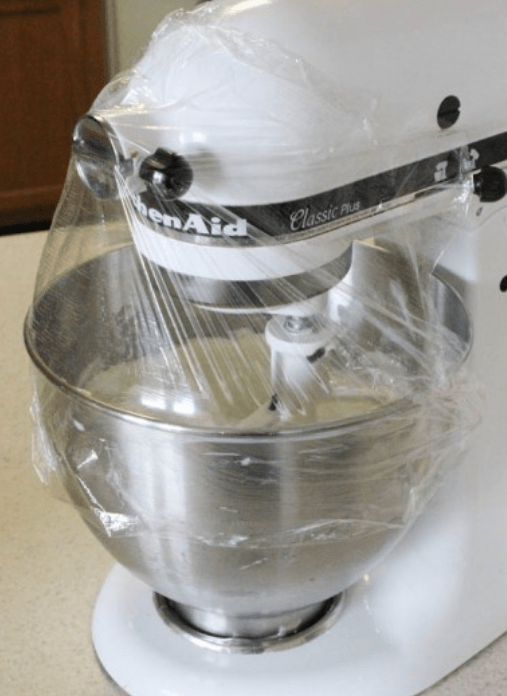
I have a Kitchenaid mixture and use it all the time. I do have a splatter shield but when I am making a large recipe of something like butter cream there is bound to be a mess. Powdered sugar is always an obstacle to not get a cloud of it in the air even when you are careful. This is a simple solution that I saw and have used regularly. Such a cheap solution that can just be thrown away when I am done. Just take a piece of plastic cling and wrap it around the opening to the mixer. It keeps everything in the bowl and confined to that area. This also allows me to do other prep work while the mixer is beating something that has to take awhile.
Rate this:
If you like this post and want to share it then click the service!
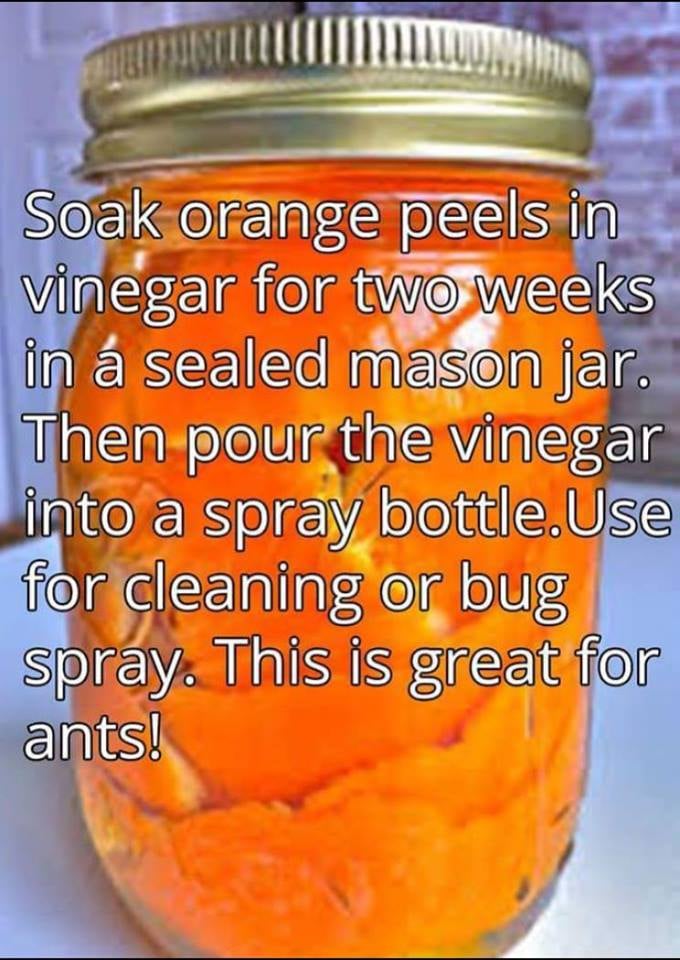
I saw this and I just had to try it. Seems to simple to do much good. I followed the instructions carefully and came out with a large jar of a cleaner and bug spray that that a fresh clean aroma. But does it work? I cleaned the counters and microwave with it. It left the cleaned area with a shine and streak free. I was left without any residue. The ultimate test bugs. Im pretty good at keeping up with house cleaning and maintenance so haven’t had any bugs in the house. However, this time of year here in Salt Lake City we has ant hills that pop up over night. These ant are small and there are a lot of them when they appear. I poured a cup of the mixture and went to an area where there are reoccurring ants. I poured the amount on a small ant hill that was just started. I got some on some of the ants entering and exiting. Not much happened at first. Then I noticed the ants walking around erratically. They were also coming out of their hole. Soon, many started to fall and die. I am going to keep this in my arsenal to clean and kill bugs with. It is cheap and easy to make and then store in a spray bottle (which is eventually where what I made went).
Rate this:
If you like this post and want to share it then click the service!
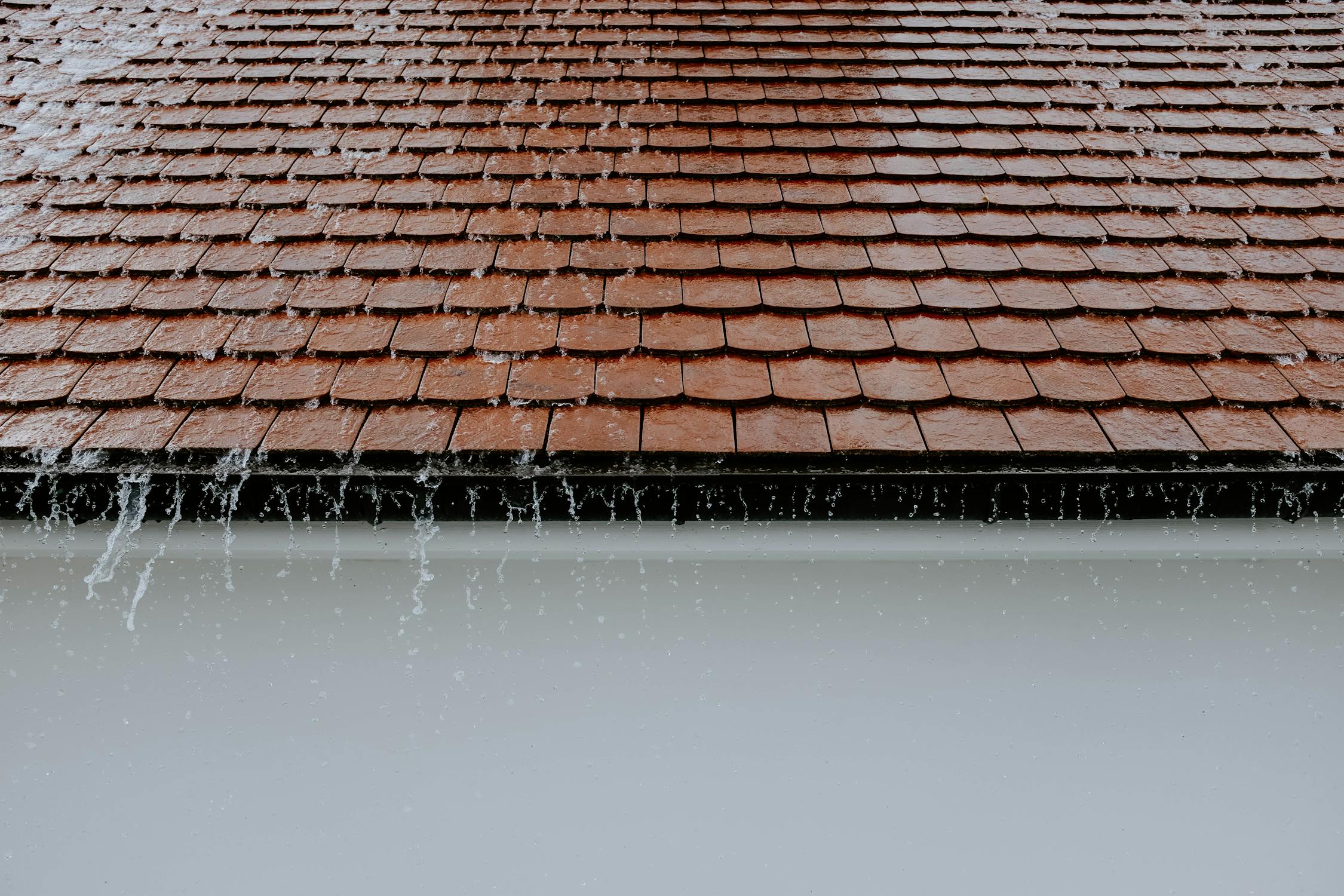
If you suspect you’ve got a leak in your roof, it can be hard to find and fix. If left unattended for too long, it can cause a significant amount of damage and make it difficult to continue living in your home. Let’s take a look at what you as a homeowner can do to spot roof leaks and fix them… and when to call in the professionals.
Before we start, make sure you know the type of roof material that’s on your home and how long it lasts. This will help you determine whether repair work or replacement is the most sensible option.
It’s recommended to inspect your roof once a year, but no matter how recently you completed your last regular home inspection, always be sure to check your roof after any kind of storm. Thunderstorms, hail, and other major weather events can cause damage even if your area isn’t hit particularly hard. Even if your property looks like it survived the storm without any major damage, you should always look for signs of a leaky roof.
Signs of a Leaky Roof
Water stains on your ceiling – especially new ones that appear after a storm. Even small water spots are an early indication of a leak
Damp spots on the ceiling, around air vents, and fireplaces
Damp or moist paint or drywall around electrical outlets and light fixtures
Unexplained dripping sounds inside your home
Water stains are on the rafters in your attic or on the top floors of your home
Drips or moisture on the walls, particularly after a major thaw
Interior paint peeling or bubbling during a hard rain
Loose shingles around your property
Buckling or curling of your shingles
The roof has changed colors, especially if localized to a certain spot
Loose or exposed nails on the roof
Cracked or damaged flashing around roof vents
Damaged flashing or cracked sealants around the chimney
Moss or mold on exterior walls that appears to be growing
How to Check for Roof Leaks
Look at the parts of your roofthat are higher than the stains on the inside and outside of your home. Look for holes and other visible damage to the roof from the outside.
Roof leaks aren’t limited to just areas around your plumbing, vents, and chimneys, so make sure you look at your entire roof, not just the areas close to those projections.
Next, if it is possible, access your attic. Use a flashlight and your smartphone camera to find evidence of a leaky roof, such as:
Water stains
Mold
Dark spots
Any other inconsistencies
It’s best to look during the day when things are bright. The brighter the flashlight you have, the better. Travel upward from the source of the leak, paying attention to any dampness you see along the framing and underside of the roof. Look for marks and discolorations that are a result of moisture – especially if your local weather has been dry for an extended period.
Turn off the lights and look for pinholes where you can see daylight shining through. Closely inspect those areas. While inspecting your roof from the inside, never stand on insulation or the top part of the ceiling. Remain on the secure framing.
Finding the Source of the Leak
Chances are the water spots you see aren’t going to be close to the leak itself. Water travels downhill from the point where it enters your roof, so the source of the leak is likely much higher on the plane of the roof.
As you look for the source, think like water. It will typically come through broken shingles, corroded or poorly sealed flashing, vents, skylights, and areas where nails are loose or missing.
Sometimes, even with the best maintenance and inspection, you’ll find a roof leak that needs immediate repair. Or, you may find evidence of a leak but be unable to locate the source yourself. And if it’s outside normal business hours, it can be hard to find someone to come fix it for you. That’s why 24-hour emergency roof repair services are available.
If you have vaulted ceilings or otherwise lack access to your attic, you may need to go up on the roof yourself. Depending on your level of comfort and ability, you may not want to do this yourself. It’s perfectly acceptable to call in professional help.
Author Bio:
Karstine Sanchez is a freelance writer and content marketer with Allstate Roofing. She enjoys writing home decor, maintenance, and improvement.
Rate this:
If you like this post and want to share it then click the service!
These days, it feels as though there’s always so much to do to keep your hair in top condition. You need to use the right shampoos and conditioners, the right protective treatments for heat styling, and more. That’s not even mentioning dying and cutting hair too.
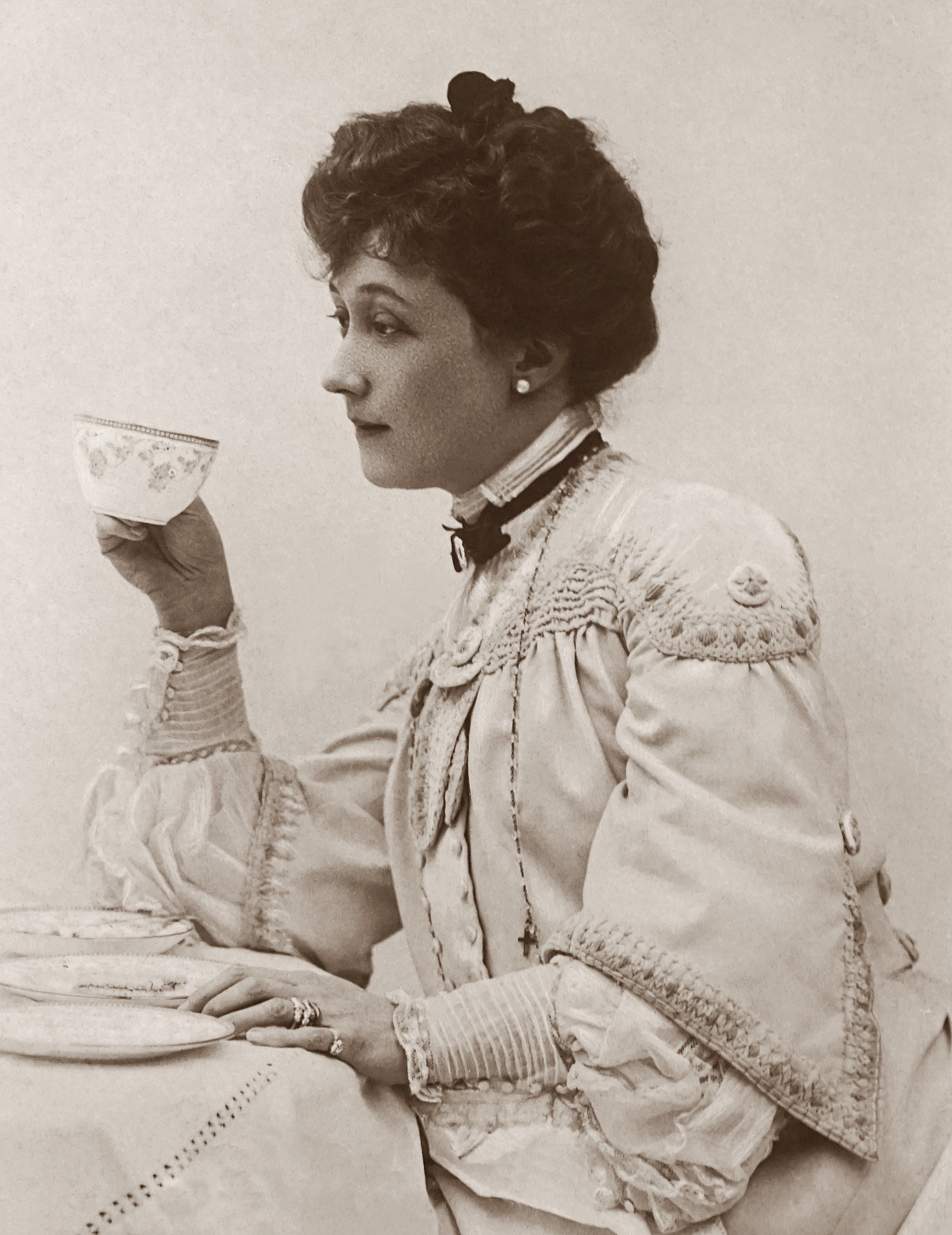
Back in the Victorian era though, women were putting just as much effort into their hair, if not more. Over nearly 70 years of Victoria’s reign, there were a lot of changes to hair care and a lot of it is different to how you’d look after your hair today. Let’s take a look at what they did to stay fashionable.
The Longer, The Better
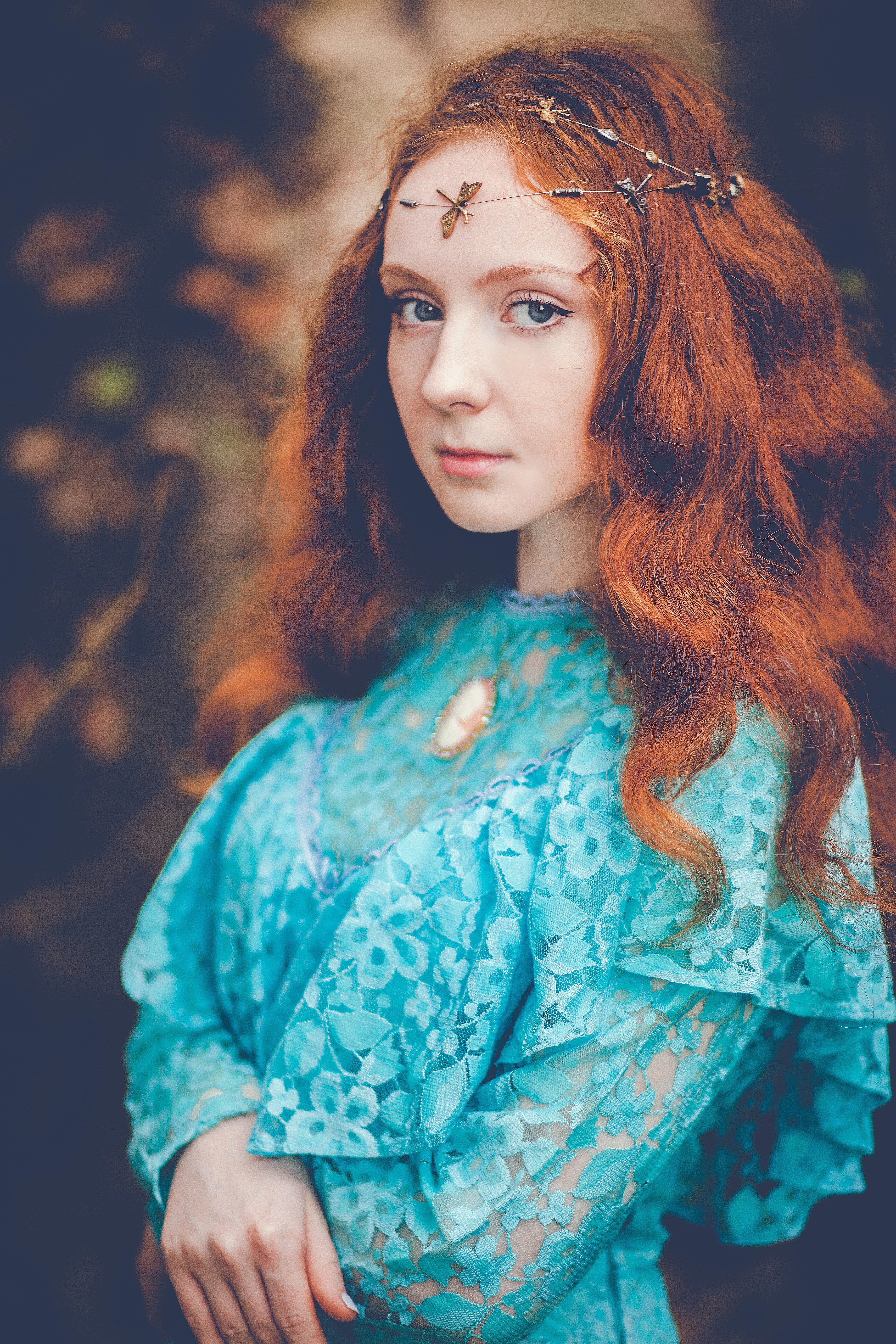
While styles did change over the years, it was seen that the longer your hair was, the better. You’ve probably seen photographs of women with long wavy hair, sometimes even touching the ground. There were even a group of sisters, named the Seven Sutherland Sisters, who were famed for their long hair. In fact, they has around 37 feet of hair between them.
They were a musical act in the 1880’s, wearing their hair down as they performed. They even sold their own range of hair care products, showing that celebrity endorsements were a thing even then. However, the bob came into style in the 1920’s, and they were considered very old fashioned then.
While the Sutherland Sisters wore their hair down on stage, it wasn’t the common thing to do. Little girls would wear their hair down, but women aged 16 and up were expected to put their hair up in up dos. ‘When women were photographed with their hair down, that was often to express intimacy within the photograph’ says journalist Lleyton Ware, from Brit Student and Write My X.
Caring For Victorian Hair
As women were growing their hair long, they of course had to take care of it. There were some modern solutions, such as giving hair trims in order to remove split ends. There were other methods though, that you’ll be glad were kept in the past.
For example, in the 1860’s it was common to boil bran in soft water, rub some white soap into the water, and then rub the mixture into the scalp with the corner of a towel. Women were often recommended to use egg yolk on their scalps too, to protect them.
Hair washing was recommended monthly, with ingredients such as borax, olive oil, and water. After you’d washed your hair, you needed to dry it out as water was thought to allow ‘disagreeable odors’ to arise from the hair. To dry it, you could brush powdered starch through it to remove that water.
With crimped and curled hair, it was important to set them so they wouldn’t come out on hot days. To do this, women would use a mixture of egg yolk and pomade to do so. It’s interesting to note that women’s bonnets were recommended to have oiled silk linings, to protect the bonnet from hair treatments.
Victorian Hair Styles Through The Decades
As the Victorian era was so long, hair styles evolved for women. Here’s a run down of what was popular at the time.
Usually, up dos were used as they were for ‘respectable’ women. The shape of the hair was important, as it would be taken into account with the rest of a woman’s silhouette. If a woman needed more volume, she would add false pieces made from human hair to create the look she needed.
‘Sometimes these hair pieces were known as “rats”, and were created from hair from the woman’s hairbrush’ says writer Samina Coffey, from 1 Day 2 Write and Origin Writings. ‘They would be packed into the hair, to add that volume.’
Hair was usually twisted into intricate styles, and the styles themselves changed over time. The sides of the hair were sometimes curled too. Over time barley curls, or ringlets, came into fashion. Up dos had padded sides, in order to match the width of the skirts that were fashionable.
As you can see, while a lot of Victorian hair care was very different to modern styles, there’s still some aspects that are relevant today. After all, who doesn’t love the idea of having long, wavy locks?
George J. Newton is a content writer, and business development manager for Academic Brits and Thesis writing service. He contributes to sites such as Buy coursework, too. His wife is his biggest supporter when it comes to his writing.
Rate this:
If you like this post and want to share it then click the service!
For Tradition’s Sake? Nontraditional Wedding Trends Today
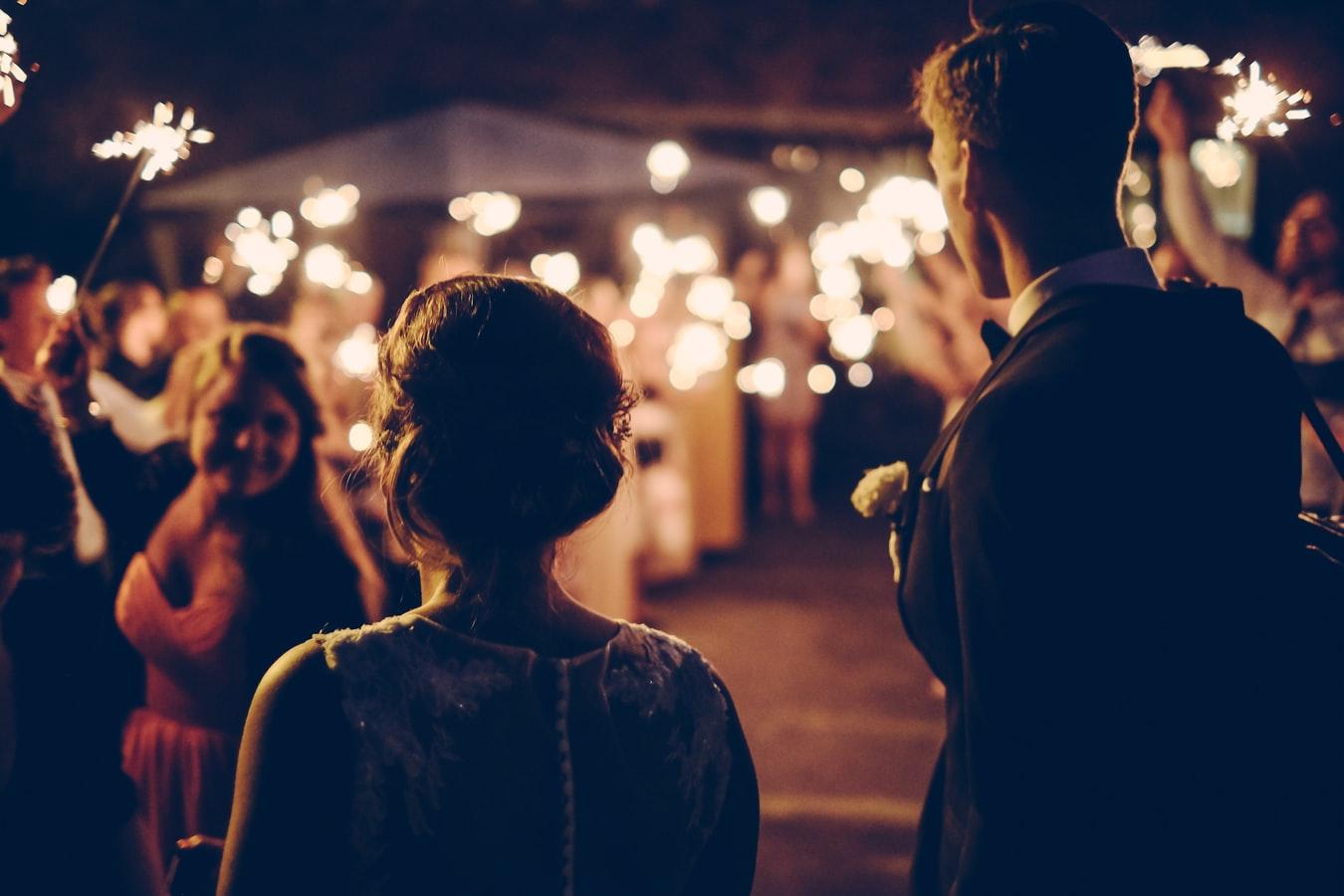
Weddings are often steeped in tradition from the Victorian era and beyond. Today’s traditional weddings still feature things like white bridal gowns and diamond rings. But, many brides and grooms are opting to step outside the box and try different things when it comes to their big day.
The very act of having a wedding is a way to celebrate two people coming together for a lifetime commitment. That’s a tradition that will never change, and one that has been around long before the Victorian era.
But, the celebration itself has adapted over time. From small ceremonies to parties that last all night, wedding trends come and go, but some seem to stick around longer than others. While we could certainly talk about some of the traditions that have stood the test of time, it’s also fun to see how weddings have evolved over the years.
Billy Idol may have been speaking to tradition when he sang about a white wedding, but nowadays, many brides are going the nontraditional route with their dresses. Throughout the 20th century, the white wedding dress was a symbol of virtue and purity. It represented a lifelong commitment to one person, so much so that the dress itself often became the star of every wedding.
Today, some of those stigmas and stereotypes have passed. Now, brides are breaking tradition with the colors and styles of their dresses. Millennial brides are taking the reins on this trend. Nonwhite dresses are available almost everywhere. They offer a way to save money and be unique. Some brides are ditching the dress altogether and opting for pantsuits and rompers.
Colorful weddings are becoming more popular than ever as stark white is fading into the background. It’s not just the dresses that are changing, it’s the overall color scheme. Some of the most popular wedding colors this season include:
Dark blue
Champagne
Gold and white
Burgundy
Pink
Dark gray
Green
By choosing a wedding dress that isn’t white, brides can create a whole color palette for their wedding that all fits together rather than standing out from everything else. For many women, having that playful pop of color is a great way to express themselves on their special day.
Ditching the Diamonds
Diamond rings are still a popular choice for engagement rings and wedding bands. That’s a tradition that’s likely to never go away. But, some couples are exploring different jewelry options, and it’s becoming quite the trend. Diamond ring alternatives can often be more affordable. But, they’re also more unique and can showcase your personality. Some of the most popular diamond alternatives are:
Sapphires
Aquamarine
Morganite
Ruby
Amethyst
Some sustainable-minded couples have even started to opt for more eco-friendly ring options, like bands made of stainless steel, wood, or recycled materials. The days of needing a flashy ring to show off are over as environmental concerns become more important. Thankfully, many of these alternatives are just as beautiful as any diamond, and by being a bit nontraditional in your selection, the jewelry can feel more personal and intimate.
WiFi Weddings
Obviously, Zoom gatherings weren’t a thing in the Victorian era. But, in the age of COVID-19, they have become a way of life. Throughout the pandemic, many couples opted for virtual weddings so family members and friends could safely “attend” online. Some still held small ceremonies while others got married in their own homes with family and friends watching via video.
Even now, as things are starting to go back to normal, online platforms have become a more permanent option for weddings. It’s likely a trend that is here to stay as long as technology keeps advancing.
Why?
It’s not uncommon for families to live in different parts of the country – or the world. It can be difficult (and expensive) to bring everyone together in one place.
By using an online platform and giving everyone a link, you can “stream” your wedding for those who can’t be there in person. Doing so allows them to take part in your event from the comfort of their own home. You can get as creative as you’d like with virtual ceremonies and celebrations, inviting your digital guests to eat with you, or even having a “digital dance party” by playing the same song and having everyone dance in front of their cameras.
Wedding trends will continue to change and adapt over time. While some traditions will undoubtedly continue to stick around, breaking away from certain things doesn’t have to be a “faux pax” in any way. After all, at the heart of every wedding is a couple wanting to celebrate their love, and there are countless ways to do that.
Rate this:
If you like this post and want to share it then click the service!



 Country & Victorian Times