How to Save Money When Designing a House

No investment’s more important than a home investment. When you’re trying to design and build a home, you’re making one of the most important financial decisions of your life. It’s a very expensive endeavour. This is why it’s so important that you make all the right choices and come out of this investment without going bankrupt. Here are some tips to save a bit of cash when designing your home.

Think long and hard about hallways

There’s something about hallways that makes them rooms, but not quite. They’re definitely useful additions to any home, but how much is too much for a simple hallway? You don’t really need a lot of hallways space for your home, and it’s pretty much dead space. Do you remove them outright to add useful space?

Not so fast. Hallways can be great for introducing useful vertical spaces and to create a sense of guiding in your home. If they lead to an important room, you can set up ornaments and make them more attractive. It really depends on your house type, but removing and adding hallways can be an effective way to improve the design. It really depends on how you normally use vertical wall spaces in your home, and whether or not you need more of them.

Choose the land positioning wisely

Depending on where you live, you might get a lot of sunlight, or hardly any at all. This might seem like It’s only important when it comes to shopping for coats, but there’s a lot more to consider. Namely, you need to figure out how to orient your home’s windows.

If your living room gets the brunt of sunlight from the west or east and you live in a hot climate, you’ll have to pay quite the AC bill to keep it cool. Why not simply orient your home’s room and windows in such a way so that you keep heating or cooling more efficient, depending on the season? Consult your architect for this step, as it could save you lots of money in the long run.

Pick the right materials for the job

Every house building project will require some specifications. What materials do you want to use in a particular room? How much material do you need for a certain area or section? Before contractors can get down to this, you need to make sure you have it sorted out.

Finding durable building products is pretty difficult in many cases. Do you go for a wooden construction or stick with concrete as much as possible? It depends on your preference. All you really need is a reliable supplier with good materials and you’re set to go. The rest can be handled with the help of your builders and architect.

DIY where you can

Some parts of the construction project aren’t too difficult for the average layman. Adding kitchen cabinets and securing shelves is a pretty simple DIY job. You can probably handle it with ease as long as you have the right tools.

Why let the contractors do the paint job? It’s something people have been doing on their own homes for decades. If you have the time, you can grab a bucket and brush and just start going at it. It’s going to save you a pretty penny and you won’t get bad results.

Conclusion

There are lots of ways to save some money when building your home. It’s important that you know where so that you can utilize some of these methods. Consider the above examples as a starting point. They’re going to come in handy when you get started on your home
Historic Preservation: What Are the Most Necessary Renovations & Updates?

Historic preservation is a rewarding experience that requires a love of history and an understanding of design. Before you begin the journey, it’s essential to assess what to renovate or update and what to leave alone. That largely depends on the state of the property, but there are universal rules to follow and factors to consider when you tackle a period house.

The Exterior Part of the Equation

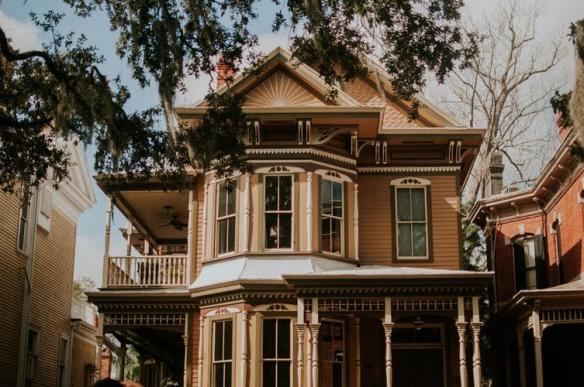
The exterior of the house or building is one of the most important aspects of the property. Many of the exterior details likely caught your attention and drew you to the property in the first place. The last thing you want to do is update the house so much that you eliminate historic nostalgia or the details that drew your eye in the first place.

Before beginning to renovate or update the building, it’s wise to check out the rest of the neighborhood, as well. Typically, all of the buildings and homes in a historic neighborhood will have a similar aesthetic. Stucco siding or an unsightly deck could take away from the cohesiveness of the entire neighborhood. Inasmuch as you can, try to preserve the facade of the house as it applies to roofing, siding, and wood or wrought ironwork.

That being said, you can work with historic architects and designers to update features in a way that retains the structure’s authenticity. Updating a property doesn’t necessarily have to mean that you have to change the way it looks. You can simply upgrade certain items with modern equivalents made to look like the originals. You can also seek out authentic features from the original time period.


Let There Be LightThe lighting in older houses often leaves something to be desired. Owners of historic properties are then at a loss. Do you preserve the original appearance of the interior, or do you illuminate the space with modern lighting that may be too bright?

Fortunately, those aren’t the only choices any longer. Many new, modern lights resemble vintage lighting options. You can always preserve the look of the lighting by opting for antique fixtures. Failing that, you can also invest in new fixtures that are deliberately designed to have a vintage patina.

The same is true for light bulbs. You don’t necessarily want to outfit your home with old-fashioned filament bulbs, which blow out frequently and are costly to upkeep. However, it’s possible to maintain an old look while using eco-friendly light bulbs. If you enjoy the charming appearance of an authentic Edison bulb, for example, you can light up your home with LED equivalents that come in a variety of color temperatures and brightness. That goes for period-inspired outdoor lighting, as well.

Pairing Safety and Historic Accuracy

 Replacing door knobs and locks causes debate among preservationists and people who are interested in renovating historic properties. The hardware on exterior doors is often gorgeous, not to mention indicative of the period. Regrettably, it can be faulty, as well. You’re left to decide if you want to risk a malfunctioning door lock or install new, glaringly modern knobs—right?

That’s the thought, but you needn’t go to extremes. Even if it means adding an additional lock and saving the original knob, you can carefully select a style and finish that evokes the time period and matches both the existing hardware and the overall appearance of the door.

Check the Pipes

 Water damage is a disaster in historic spaces. No matter what, make sure you check the pipes. Peer up at the ceilings and tap on the walls to assess possible water damage, as well. There’s no need to stick to authentic antique pipes. Upgrade for the sake and safety of the house.

Bathroom and Kitchen Updates

Most historic homeowners and preservationists agree that the bathroom(s) and kitchen are the rooms often in need of updating, but this can be a matter of preference. Plenty of folks appreciate kitchens and bathrooms with original features and fixtures, such as farmer’s sinks or 1920s tile. In that case, you can still update your space. Search for preserved and refurbished appliances and decor to install in your home.

Otherwise, feel free to upgrade where you see fit. You may crave a glass-enclosed shower over an old clawfoot tub. The kitchen may be crying out for a dishwasher. As long as you strive to maintain the integrity of the architecture and introduce period-appropriate decor and knickknacks inside, you can embrace modern conveniences in the rooms that need them most.

What do you choose to retain and renovate when you take on a historic property? Let us know the features you try to keep and what you prefer to replace.

Author Bio: Katie Tejada is a writer, editor, and former HR professional. She enjoys writing about events, travel, decorating trends, and innovations for the home, but also covers developments in HR, business communication, recruiting, real estate, and finance.