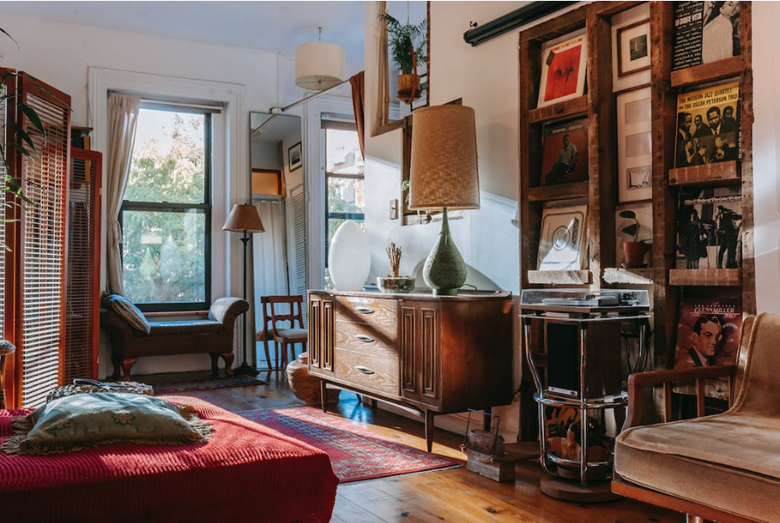
Reviving Retro: How to Give Vintage Items New Life in Your Home

https://www.pexels.com/photo/interior-of-cozy-studio-with-bed-and-couch-decorated-with-vintage-furniture-and-vinyl-records-5824519/

Buying vintage has become one of the most popular trends of 2023, and not just among the climate-conscious. For those who crave antique collectibles that can’t be found anywhere and for those who want something that makes a statement, vintage is the way to go. But giving life to a vintage piece can be like inflating a deflated tire; it requires patience, perseverance, and the right arsenal.

Reviving vintage items in your home is more than a design choice; it’s a celebration of history and a nod to sustainability. Being aware of how to transform vintage items for home purposes is essential. It might not require an extensive renovation, but little changes that aid significantly. It might be something as simple as DIY stain glass lamps or something as complicated as replacing hardware and refinishing old furniture. Here’s your simple guide on giving vintage items a new lease of life.

Refurbish and Refinish

Thrift stores are a goldmine for those who know how to look, and when you’ve found the right items, from mid-century furniture to quirky accessories, there are many dated pieces you can revive with the right refurbishing. If you’ve found worn-out or damaged items, there is a chance that you can fix them through a bit of refurbishing. This can include reupholstering old sofas, armchairs, and even headboards.

Use wood polish, wood paint, and clear sealants to revive wooden furniture. You can highlight the natural grain by refinishing it, and any chips or scratches on the wood can be fixed with wood glue or filler.

Repurpose Items

While items and furniture are made for a specific purpose, there’s no reason that you have to use them the way they’re intended. For example, vintage record crates can be repurposed to be unique side tables or even shelving units for other items like books. Unplayable vinyl records can be repurposed to be decorative bowls with a bit of heat molding. Depending on the vintage item you have, there is a variety of choices when it comes to repurposing.

You can repurpose old lamps to be planters, especially if they are not functional. Other examples include repurposing wine corks to be a bed headboard, and vintage clothes can become a blanket or a throw. The easiest repurposing projects can be turning vintage items into decor. Changing a vintage bicycle to become outdoor decor doesn’t require much. Just paint it again, and you’re done!

You can also go on a hunt for vintage suitcases and upcycle them to be side tables (providing both aesthetic value and storage). Old suitcases can also make for ideal shelves for any home. You can also paint over them to ensure that they fit your home’s interior design.

Invest in Quality Equipment

If you want to have functional vintage decor in your home, you need to purchase tools that can help revive them. It can include items like a vinyl record cleaner to ensure that any vinyl records you purchase end up being usable. It can guarantee that your vinyls are always in peak condition, and this is vital if you use them frequently or plan on selling them later on.

Investing in basic items like cleaning supplies is essential when you’re planning to purchase vintage items. Rust cleaning solutions, abrasive scrubs, leather cleaners, cleaning gloves, and so on are vital for vintage items. All vintage items will require a good clean once they arrive in your home, and you need to have a good cleaning routine down to ensure that they look well taken care of once they’re in your home. For wooden items, you may need some type of sanding machine and experience in handling wood-cutting equipment.

Consider Layering

Creating a thoughtful and well-decorated home means guaranteeing that you have a good combination of vintage and modern elements. Combining these two elements will help you highlight the vintage items where needed and ensure your home still feels current and relevant. It could be something as easy as designating one vintage item per room to be the focal point, whether it’s a retro dining table or a vintage chandelier. Let that be the central piece for the room, and build the rest of the decor around it.

Another way you can layer vintage items throughout your home is through the thoughtful use of textiles. Rugs, carpets, tapestries, throw pillows, and curtains make for great layering pieces in any room. Layer these textures alongside modern furniture to create an elegant and sophisticated place that remains functional.

Making Your Home a Vintage Haven

Vintage items, whether they’re passed down in your family or have been found elsewhere, all contain their own stories. It could be in the craftsmanship of a bygone era or the sentimentality with which they were passed down. Knowing how to revive them and accommodate them in your home can take considerable thought and hard work. If you’re determined to make the most of vintage items in your home, it has to be through careful placement, refinishing, and upcycling. Once you have the basics down, there’s nothing stopping you from making your home a true vintage haven!

How to Choose and Install the Perfect Blinds for Your Home: A Comprehensive Guide

Selecting the right blinds for your home can be a game-changer, adding style, privacy, and functionality to any room. With countless styles, materials, and customization options available, finding the perfect blinds may seem overwhelming.

But don’t fret; this comprehensive guide will walk you through choosing and installing the ideal blinds for your space and offer valuable insights on different types, materials, and maintenance tips. After reading this article, you should be well-equipped to create the perfect window treatment for your home.

Explore 4 Different Types of Blinds

Various types of blinds are available on the market, each offering unique characteristics and benefits. Some of the most popular options include:

1.     Roller blinds

These simple and elegant blinds consist of a single fabric that rolls up and down using a spring or chain mechanism. Roller blinds are incredibly versatile and come in various colors, patterns, and materials, making them a popular choice for many homeowners.

Roller blinds in Dubai are sought after for their ability to withstand the region’s intense sunlight and heat. Some interior designers also use two rollers with an added voile layer or zebra or duo blinds to adjust the amount of light that enters the room according to the time of day.

2.     Roman shades

Known for their elegant folds, Roman shades (a.k.a. Roman blinds) add a touch of sophistication to any room. They’re made from a single thick fabric that folds neatly into horizontal pleats when raised.

Roman shades don’t wrap around a roller, so they have different textures on top of the variety of patterns and colors available. This dramatically enhances customization to suit your home’s décor.

3.     Venetian blinds

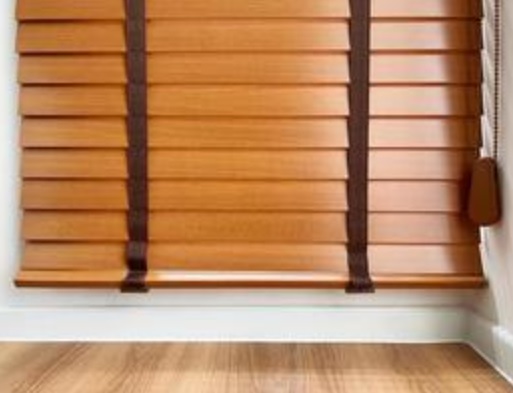
Composed of horizontal slats that can be tilted, raised, or lowered, Venetian blinds offer excellent control over light and privacy. Typically made from wood, faux wood, or aluminum, these blinds are functional and visually appealing.

Venetian blinds can be a stylish addition to any room. They’re particularly suitable for rooms with high humidity, such as bathrooms and kitchens.

However, those that use tapes made from fabric may not be great for damp spaces like the ones mentioned above.

4.     Vertical blinds

Featuring long vertical slats that can be tilted, rotated, or drawn to one side, vertical blinds follow the same concept as Venetian blinds. They are ideal for large windows and patio doors and provide excellent light control due to thinner slats that overlap better than Venetian blinds.

Vertical blinds are commonly used in residential and commercial spaces because they make a room appear taller. They also perfectly fit French and sliding doors and come in various colors to match the interior design.

The Complete Guide to Blinds Selection and Care

Different factors come into play during the window treatment selection process. From finding the suitable material to following proper maintenance, here’s a complete guide you can use for better blinds selection and care:

1.     Find the Right Material and Finish

The materials and finishes of your blinds can affect the overall look and feel of your space significantly. When choosing materials, consider the room’s function, style, and humidity levels.

If you’re going for a classic look, opt for wood or faux wood blinds. Aluminum blinds add a modern touch to the space, while fabric window treatments give it a soft appearance.

Looking for budget-friendly durability? Vinyl blinds are an excellent option for long-lasting wear without breaking the bank. They are also easy to maintain and come in various styles and colors to match your interior design.

When it comes to finishes, think about the visual impact and desired level of privacy. Matte finishes are great for a subtle look and can help diffuse light, while glossy finishes add a touch of glamor and can be easily wiped clean. Textured blinds offer an interesting visual element and can enhance the character of a room.

Additionally, consider the specific requirements of each room when choosing your blinds. For example, moisture-resistant materials like faux wood or aluminum are best for high-humidity areas like kitchens and bathrooms, as they can withstand the environment and are easy to clean. On the other hand, bedrooms or media rooms can benefit from blinds that offer effective light control and privacy, such as blackout roller blinds or cellular shades.

2.     Add Personal Touches to Your Blinds

Did you know you can customize blinds? Using decorative tapes, valances, or cornices, you can give your blinds a facelift so that they complement your home décor.

Decorative tapes can add color or pattern to your blinds. These come in various designs and can be applied to the slats or edges to create a stunning visual effect. Valances and cornices can contrast or match existing textures and patterns in your interior design.

To inject an element of luxury or whimsy into your window treatments, experiment with fabric trims, tassels, or beads. When placed at the bottom or along the sides of the blinds, these decorative embellishments can offer a touch of opulence or playfulness to your space.

3.     Measure and Install Blinds Accurately

You must follow the manufacturer’s guidelines when measuring and installing your blinds. These can provide you with the best advice for your specific product.

Think about whether you want an inside or outside mount, as this will affect your measurements. And don’t worry; it’s always a good idea to double-check your measurements to ensure everything is just right. Using a level during installation will also help guarantee a flawless and even appearance.

4.     Keep Your Blinds Looking Beautiful with Proper Maintenance

To keep your blinds looking their best, you clean them regularly. You can use a duster or vacuum to remove dust and debris gently.

If you come across any stubborn dirt, a damp cloth is usually enough to take care of it.

When it comes to fabric blinds, spot cleaning works well for minor stains, but don’t hesitate to have them professionally cleaned if needed.

Again, it’s always wise to follow the manufacturer’s guidelines for specific cleaning instructions, as this will ensure your blinds are cared for in the best possible way.

Create Your Perfect Window Treatment

Embrace the variety of styles, materials, and customization options available to elevate your space and enjoy stylish, functional, and durable blinds for years. This comprehensive guide to selecting, installing, and maintaining blinds enables you to create the perfect window treatment for your home.

The Modern Rules Of Choosing A Style For A Rug

With spring bringing in a new wave of good, sunny vibes to your day-to-day, you’re ready to add those same vibes to your favorite place—your home sweet home. And a new rug can go a long way in chasing out those winter blues and making your retreat space look and feel brand new.

Not so fast, though.

Not all rugs are perfect for every home situation. You don’t want to buy a huge rug that you’ll have trouble placing in your living room. And the last thing you want is a rug that adds an unwanted aesthetic to your space. On the contrary, the right rug can instantly add definition and color to your established decor, whether it’s a captivating modern one or an elegant traditional one.

The question is, with the wide range of rug materials, colors, and styles available today, how can you go about choosing the right rug style for your home?

Here’s a rundown on the top modern rules of choosing a style for a rug this spring.

Don’t Go Too Big

Size matters when you’re selecting a rug for your room. For example, if you have a tiny apartment with several pieces of statement furniture or eclectic objects in it, you don’t want a rug that will overpower your space. So, before you shop, be sure to measure the area in which you will be placing your rug.

As a general rule of thumb, your rug should cover the width and length of your furnishings if you’re placing it in your family room. A 5’ 0” x 8’ 1” rug or a 6’ 3” x 9’ 11” rug is typically a great size for clustering furniture around in an intimate space. If you wish to expand this space, choose a bigger size that will outline your area’s perimeter.

In your dining room, the rug you select needs to be big enough to provide ample space for your chairs, even after they’ve been pulled out from your table. So, measure your dining table and then add two feet to determine the best rug size for this space.

Also, in a space where your floor is wooden, try to keep between 18 and 24 inches of wooden flooring around your room’s perimeter. 

Consider Your Lifestyle

Think about how you plan to use the space where your new rug will go. Perhaps you plan to put the rug in an area that receives high traffic, like a family room or hallway. Or, maybe you have pets or young children? If so, look for luxury rugs that are simple to clean and durable, like wool rugs. And try to stick with a rug that is dark enough to hide dirt or stains.

Perhaps you’re planning to place a new rug in your home office. Create a sophisticated and classically elegant work from home space with a bamboo silk rug.

Online School Living Room Children – Free photo on Pixabay

Create the Right Mood

In addition to considering the usability of your space, think about the type of mood you want to create in your space when purchasing a rug. A rug anchors a room, so the style and color of your rug plays a major role in establishing its mood.

For instance, stick with rich, dark hues to define an intimate space. Meanwhile, choose light colors to make a tinier space look larger. Also, spicy colors—like red, yellow, or orange—add warmth to a room, whereas cool colors help to create a calm feeling, particularly in a space that is sunny.

However, as you search for rugs of certain colors, keep in mind that your target rug should ideally complement your room’s 2-3 main hues. As an example, you could choose a rug whose pattern’s secondary color matches your couch’s solid color. Then, try to make the rug’s third color match your room’s accents, like the wall, drape, or throw pillow color. This will help to tie your room’s look together.

Of course, you don’t always have to go with patterned rugs. Solid-colored rugs also work well in rooms, especially if your rooms’ primary furnishings are upholstered in patterns or feature elaborate designs.

Don’t Put a Pause on Patterns

Let’s dive into patterns a bit more. Patterned rugs are generally an excellent choice if you want to create an eclectic look in your room. Your patterns will instantly become the room’s primary focal point. For instance, feel free to choose rugs with floral or even zigzag spiral patterns. You can also choose rugs with more subtle patterns if you’d rather not harshly define the space.

Living Room Luxury House – Free photo on Pixabay

Choose the Perfect Rug for Your Space This Spring

Rugs have always been and will always be one of the most quintessential decorative accessories due to their ability to add warmth and personality to any room. But choosing the right rug—one that won’t take up an exorbitant amount of space, for example—is critical for making your dream look and vibe for your room a reality.

Consider the above-listed modern rules for choosing a rug that fits your style and your room’s layout this spring. In no time, you can bring comfort, coziness, and a chic ambiance to your living space this spring!


Author Bio:

Carolyn Mitchell is a freelance writer and content strategist with a passion for home décor. She can often be found re-painting and updating the furnishings in her home, and she is also a dedicated cat mom to two adorable kitties.

How To Amp Up Your Small Rental Apartment

https://unsplash.com/photos/85pCvDWDMmI

Renting a new apartment is an exciting opportunity for decorating your place in a way that lets your personality shine through. Even if the rental apartment is small, there’s no reason to compromise and not go big on style. Depending on the type of apartment you have and your own personal taste, there are tons of ways to decorate your living space! We have a few ideas on how to amp up your small rental apartment.

Lighting

One of the best places to start with when it comes to amping up an apartment is the lighting. Picking the right set of lights can give your room a defining character and become the standard by which you add the next set of furniture and decor.

If you’ve been staying up to date with lighting trends, you’ll know that certain styles of lighting can trick visitors into thinking the space is much larger than it actually is. Ceiling fixtures that hang down draw the eyes upwards and open up your apartment in a way that makes it feel larger than it actually is. If you have permission to swap out your ceiling fixtures, this is a great place to start!

As for floor lighting and lampshades, you’ll want to go for softer, more incandescent lights as they make your room feel inviting and warm, as opposed to colder tones that can often appear uninviting.

Lastly, an aspect of lighting that many people don’t quite appreciate enough is reflections. Intelligently using mirrors both as decor and as an instrument to complement and improve lighting in your apartment can go a long way in creating a more open, brighter space that radiates positive energy. You’ll want to place mirrors directly in the path of light coming in from the windows to bounce the light around and give the impression of a larger room.

It’s The Small Things

Contrary to popular belief, it’s not always big statements like oversized doors and beds that give small apartments character and size, but rather tiny items that can make a big impact. Attention to detail goes a long way in spicing up any apartment and every little change you make counts.

A great place to start here is with doorknobs. It might sound random, but they’re actually one of the items we interact with the most in any home. Rustic door knobs can add a unique life to your apartment, and convey a thoughtful, nostalgic sense of style with just a glance. Certain well-crafted door knobs also combine form and function by being incredibly appealing to look at and use, as well as secure thanks to modern locking technology. If you have permission to change out your doorknobs, this small change can make a large visual impact.

For even smaller apartments that might not even have doors to open, there are still several things that you can do to enlarge and beautify the space. A common piece of decor that people use in small apartments is a glass partition. Adding a glass partition is an ingenious idea for small studio apartments that often have just one room to boast of. Partitions stretch small spaces while still allowing for light to pass through. For apartments that might not be able to accommodate glass partitions, consider a foldable wooden divider. These serve a similar purpose, and can even be a better fit aesthetically for some apartments depending on lighting and other decor.

https://unsplash.com/photos/GqbU78bdJFM

Work With The Bed

Smart home design in small apartments revolves around intelligently managing bedroom decor. Since beds take up a large amount of the limited space available to you, how you decorate and use it can have a big impact on your quality of life. For starters, using trundle or retractable beds that you can use as a sofa or slide away when not in use is a common sight in smaller apartments.

As for decor, certain visual tweaks like using bright and bold handmade pillow covers is an easy way to make a statement. You can pair these with a comfortable and slim duvet that folds up easily into your bed’s storage for clever space management.

Utilizing Space

Renting out a small apartment, even one that’s been renovated recently, comes with its own quirks. These quirks take the form of unique nooks and crannies that you can take advantage of to make your space your own. A common example of this, particularly in cramped cities like New York, are the tiny alcoves below the windows found in small apartments. Adding a small couch or table here can do a lot to create a cozy space for you to inhabit.

Living Large

Being smart about how you decorate and use your small rental apartment is all it takes to make the most of what you have. Use your apartment’s unique features and accent them with subtle decor to live larger than ever before.


Author Bio:

Carolyn Mitchell is a freelance writer and content strategist with a passion for home décor. She can often be found re-painting and updating the furnishings in her home, and she is also a dedicated cat mom to two adorable kitties.

Interior Design As A Form Of Expression

https://unsplash.com/photos/85pCvDWDMmI

Your home can be a reflection of your personality and who you are, even if you don’t put any thought into the interior design consciously. Some people like to take control of this creative pursuit to develop an even more cohesive narration of their self-expression. If you think that you’d like to take your interior design to the next level with a more personalized, thoughtful perspective, it might be time to consider how exactly your home decor choices can make a difference. Check out this exploration of interior design as a form of expression and integrate some of these ideas into your space.

Colors Can Change Your Mind

Many people already know that color can affect them on a psychological level. Businesses use this tactic all the time to entice people to utilize their services. Have you ever noticed that fast food places use yellow and red because it makes you hungry, security firms use blue to enhance their authority, and hospitals use green for its soothing aura? These are just some of the ways that colors change your mind.

Wondering what different colors mean to your brain? Here’s some basic color theory to get you started:

  • Red: Energy, Action, Excitement
  • Orange: Uplifting, Friendly, Fun
  • Yellow: Happiness, Confidence, Optimism
  • Green: Hope, Balance, Revitalization
  • Blue: Trust, Authority, Serenity, Intelligence
  • Purple: Creativity, Individuality, Spirituality

Incorporating color into your home can be subtle or showstopping. Use home decor accessories in the colors you love to accent your space and add life to your home. Looking for something bolder? Consider painting one of your walls in an accent color to change the whole feel of the space.

Display Your Hobbies

Changing the colors in your home is a big deal, but it can still feel a little impersonal. So what are the things that really express your personality? Hobbies and passions, of course! Do you love reading? A bookshelf display can showcase your passion, create a cozy reading nook, and ensure your books are accessible at all times. Love crochet? Use your own designs to decorate your space with sofa covers, doilies, and more. From gardening and painting to woodcraft and music, you can use tables, walls, and cabinets to decorate with meaningful accessories and collectibles.

Personalized Rooms

If you have multiple people living in your home, they probably each have their own room. When it comes to kids, especially, you want to help them express themselves within their space by putting up their artwork, asking for their input, and exploring a variety of options for everything from doorknobs and cabinet handles to curtains and bedsheets.

Furniture Made for You

https://unsplash.com/photos/gj1dnc7yRG0

You might think that you should buy furniture based on fashion trends you find on Instagram or Pinterest, but that’s not the way to express who you truly are. Pick things that make sense in your space, make you happy, and work cohesively to create a stunning design that you can’t wait to use. Don’t forget that mounted light fixtures and chandeliers also have their part to play in your furniture design!

Showcasing Your Past

While you might have spent a lot of time organizing decor accents that show off your hobbies and passions, don’t forget to do the same for your favorite memories. If you have any blank spaces on your walls or empty surfaces on your tables, you can fill them in with framed photos of the most important people in your life. Whether it’s family photos on snaps from adventures with friends, complete your design with souvenirs of places you visited together!

Spotlight Your History

Everyone’s family is different, but if yours is one that passes down special objects through the generations, you might want to make them part of your home decor. Whether it’s a cookbook or a music box, these items deserve a unique display. You can even start your own collection of heirlooms to pass down to future descendants for them to restore or upcycle when the time comes.

Transforming Your Home

All of these home decor techniques are different ways you may choose to express yourself. Whether you do them all or just choose one or two that really speak to you, these changes aren’t made overnight. Take your time deciding which accents, colors, and focal points make sense to you, and consider how they relate and express your personality.

As you embrace every aspect of who you are, from the most quirky to the most mainstream, you’ll find that you feel much more comfortable in your space. When you use your home as your canvas, you’re acting as an artist with control over every element and decision. You might make a conscious effort to bare every part of who you are, or you may choose to limit your self-expression to one or two rooms. Just make sure that whatever direction you go takes into account your entire lifestyle, family, and everyday activities.