
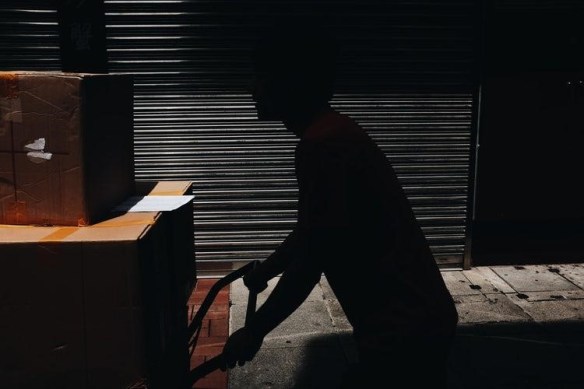
Source: unsplash.com (free to use and share, no attribution needded)
An inevitable part of adult life is being in transition at least once at some point of it. It starts with moving away from our parents’ home, and many people experience transition periods numerous times later on – whether it’s accepting a temporary job in another city or country, moving to a new neighbourhood, or even just taking an extended holiday. There’s also another kind of transition – one where you stay in the same place, but your life and habits change completely, like having a baby or starting a business from your home, where all of a sudden you need to make more room. All these changes result in temporarily storing your things away, and since that may seem like a dreary task, we’re here to break things down for you so you can get organized easily.
1. Make a List

Source: unsplash.com (free to use and share, no attribution needded)
Of course, all big, messy ventures are taken on by first making a list. For the ultra-organized type of people, making lists is always the first step, because it takes the chaos away from any process, and sometimes they even turn to Excel spreadsheets for pure enjoyment. If you’re not the super-organized type, you will nevertheless feel the bliss of writing down a simple list of things you need to store away – and then checking each item off one by one as you get them packed. Feels good, right?
2. Get Packaging Materials
Go down that neat list of everything you need to pack and write down which kind of materials you will need for packing – cardboard boxes and their approximate size, butchers paper and bubble wrap for fragile items, etc. It doesn’t have to be very precise, but jotting down some notes on the amount and kind of packaging you need will make it much easier for you.

Source: unsplash.com (free to use and share, no attribution needded)
For storing items like books, clothing, and documents, it’s best to use plastic storage tubs, because, unlike cardboard, they will protect these items from moisture and mold. You can buy these materials from any self-storage business or ask some local businesses to give you the boxes they intended to recycle. Don’t forget to also buy tape, markers and labels.
3. Get Packing!
Pack your stuff carefully so that it will not get damaged during transport or storage. Encase the fragile items in many layers of bubblewrap and butchers paper, and make sure to put in some „stuffing“ also, such as newspapers or packing peanuts. Remember that there will be a lot of extra weight once everything is stacked together. Or maybe, to stay on the safe side, you can even get help with that from the storage facility you choose. Here in Wollongong, we have the Wollongong branch of storage services that offer protective padding for free to secure items in place and ensure protection during transportation, and there are similar options in bigger cities all over the world. Place heavier items in smaller boxes to avoid overloading and potential injury for whoever will be carrying them.
4. Labeling
Label each box with the exact items that are in it to save yourself a lot of frustration for the time when you’re going to be unpacking again. Since these boxes are going to be placed all together somewhere, a good tip is to use colour-coded labels referencing rooms or types of items that are inside – for example, green labels for dinnerware, red ones for kitchen appliances, etc. Keeping a precise written log of all the labels is a good idea to ensure you know later what you have stored away and where exactly to find it.
5. Choose a Storage Facility
Thankfully, most storage units are now secure, weatherproof and even monitored, so choose the right one and you won’t have to worry about damage or theft. Look for storage companies that offer advice and assistance with loading, because it doesn’t make a difference in pricing and it will be a huge help to you. Since you are essentially entrusting your possessions to somebody, be careful and make sure you are dealing with absolute professionals – see if they have a website and what it’s like, evaluate their communication with clients, and even go there to see the facility in person before you make your choice.
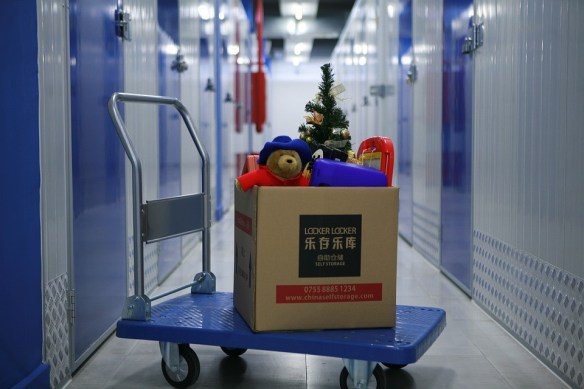
Source: pixabay.com (free to use and share, no attribution needded)
Once everything is ready and set, get to loading, preferably with the help of professionals. With everything stacked nicely at the storage facility, take notes on where the different types of labels are. Finally, rest easy, knowing that you have accomplished quite a task. Someday further on, you will reunite with your things and give yourself a pat on the back when you realize you can find them all quite easily (yay for that written log).




 Country & Victorian Times