Ultimate Home Maintenance Checklist to get Your Ready for Autumn

As much as we enjoy summer and wish it would never end, autumn always comes around. For some, it’s even their favorite season. What’s not to like about pumpkins and colourful leaves? The problem is that autumn also brings with itself a host of problems. It’s important that you take precautions to make sure that the autumn weather won’t cause damage to your home. Here are some examples you should watch out for.
1.     Keep the gutters free

They might not look the part, but your home’s gutters serve a very important role in protecting your house from the elements. They help divert water from your roof and spread it evenly across your garden and backyard. At the same time, they also keep a lot of the debris from staying on the roof or damaging the walls beneath them.

During most of the year, cleaning the gutters isn’t much of a problem. You rid them of leaves and debris every once in a while, and they remain clean. However, autumn is a bit different in this regard. You have to give them a thorough clean and de-clutter them a lot more often. The combination of heavy rains and a bunch of leaves falling will inevitably clog the gutters. This will cause the water to pile up on your roof and it can easily spring a leak. Because of this, you need to make sure that the gutters are regularly cleaned and maintained before the start of autumn.

2.     Check the roof for damage

Every autumn, you can expect a lot of rain to grace your home’s roof. It might be designed to withstand rain and hailstorms, but that doesn’t mean your roof is completely impervious to damage. It’s not uncommon for the occasional shingle to crack or fall off after years of use. This small bit of damage might not harm your roof during most seasons, but it’s going to be hard to ignore when the autumn rains begin.

Leaks can cause a lot of damage to your home. Even if you disregard the loss of heat through the leak opening, you still have a lot of stuff to deal with. Mould can accumulate on your attic walls and damage them. Not to mention, mould can also cause health problems if it’s allowed to grow and spread.

3.     Drain the hoses

Garden hoses might seem like they should be fine on their own, but the weather can cause them some significant damage. There will always be a bit of leftover water in your hoses, even after you turn off the tap. When the weather turns cold, this water can freeze and cause the hoses to burst, possibly damaging them and the faucet.

There are a couple of ways to help keep them safe. For one, you need to make sure they’re completely drained from any excess water. All you have to do is press them from one end to the other. Afterwards, you should roll the hoses up and keep them inside your shed. This will prevent them from getting too cold when late autumn arrives.

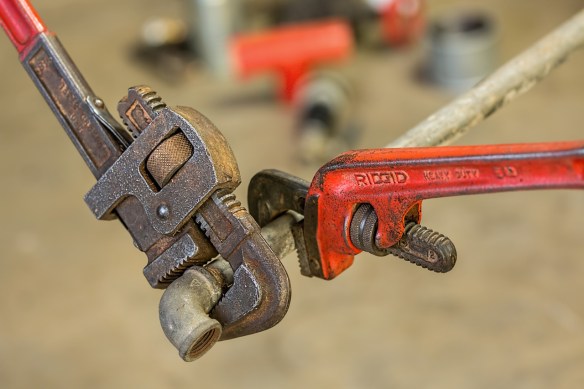
4.     Make sure your plumbing is functional

The colder seasons put a lot of pressure on your plumbing. During autumn, the cold temperatures might cause water to expand in some of the external and internal piping, damaging them. This is further exacerbated by the fact that you’re going to start using more hot water than usual. Once the warm summer days are over, people are more likely to quit their cold shower routine, because it gets really cold.

Dealing with the pipes isn’t going to be easy. It’s not a job you can easily DIY. This is why a lot of people look for hot water heating experts to help them during the autumn. It’s a lot easier than opening up the walls and trying to check things out by yourself. Professionals have better tools and diagnostics that can figure out where a problem might manifest itself.

5.     Keep the lawn fed

Different seasons require different care products for your garden and lawn. During autumn, you should take great care in preparing your lawn for the upcoming harsh weather. Since the temperature is about to drop, have to make sure your garden is well-fed.

Autumn is the perfect time to add some fertilizer to your garden and lawn. Plants tend to suffer through the late autumn and winter, which is why they might need more nourishment than usual. Adding fertilizer twice during this season should be enough to keep the plants alive and healthy.

Conclusion

Autumn is a turning point of the year. The weather shifts to dramatically colder temperatures and you’re left with a host of problems if you aren’t prepared. Because of this, you need to know exactly what awaits you during autumn. Make sure you take all the necessary precautions to protect your home and you’re going to have smooth sailing from here on out.


Reinforcing Your Door For Safety

Many people do not know that the plate that your door knob goes into is usually attached with a short screw like seen in the picture. This does not provide adequate protection if an intruder is trying to kick in your door. It is a simple fix and almost anyone can do it. You just need to unscrew the short screw and replace it with a four to five inch screw. This takes the screw all the way into the door jam. It will be harder for someone to kick through it with these in place. Now, that does not mean that they can’t it just means that it will be harder to do so. If you are inside and someone tries to kick the door in it may give you a chance to grab your phone and either run out back or to a secure place within your current location.

Child Safety – With Large Crowds – Getting Help

I saw this and wanted to share it. What a quick and easy way to provide a way for your lost child to find his or her way back to you. Especially if they are young. Just write contact information for you and cover in a liquid bandage type product. It will stay good for the day and provide emergency personnel a way to get a hole for you if your child goes lost at amusement parks, fair or other crowed place.

I have also heard of another way to do this. For you to buy a per minute cell phone just for a child to have on them in case they are lost. Have your contact information listed on the phone. You can call them and they can tell emergency personnel that the contact information is in their phone. I would personally get a phone and case that could be attached to a lanyard or belt loop somehow so it can’t get lost.

Easy & Cheap Way To Child Proof Your Door Handles

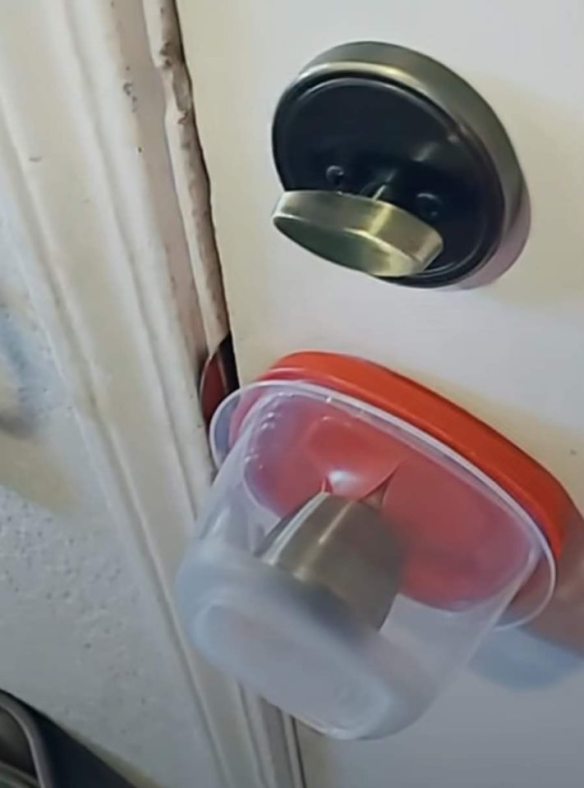
This is not my setup but it was where I got the idea from. Credit to the original owner of the photo.

We recently ran into a problem with our young daughter. We went to visit relatives and she found her way out of the front door and was playing with the neighbors children. To think of the nightmare that could have happened. I get sick thinking about it.

I couldn’t very well ask the relatives to add child protective locks on their doors. So we had to come up with a simple cheap and effective solution to keep her safe.

We went to the dollar store and bought a rubber main salad bowl. We cut an X in the lid just big enough to force the door handle through. This lid screwed on to bowl tight. So we pushed the lid onto the handle and screwed the bowl on when we went to sleep. For a dollar it was a bit more protection – although not fool proof.

Necessary Safety Precautions When Working On Home Improvements

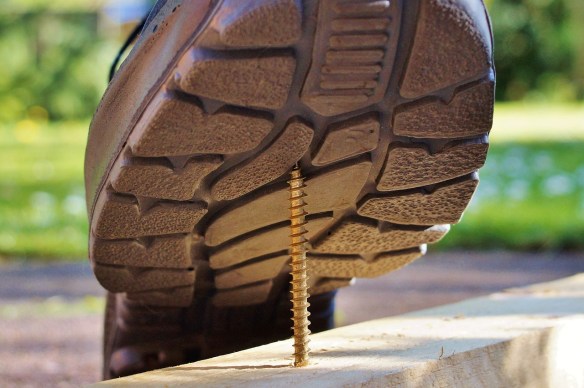
There is so much pride in being able to state one day that you have built this bar or patio in your home with your bare hands. Not only do DIY home improvements cost less money but you actually break a good sweat, while building them. Being a one-man construction firm does come with a downside and it has to do with safety. Since you’re working from the comfort of your own home, it is easy to forget that safety measures have to be aped as if you were on a commercial build. Wearing safety gloves, a helmet, and safety boots is not a fashion statement but rather a real need that has the potential to prevent injury and even save your life. The full list of the safety measures required is quite long, but here is a short list of the most important safety precautions to put into play during a home improvement project.

Power down with the power tools

Photo courtesy of https://www.bidvine.com!

One of the biggest sources of danger at any construction site are the power tools, like saws, cutters, and heavy-duty staplers. Even before you use them, you need to read the instruction manual carefully and check if they are in working order. One of the biggest issues is a twisted power cord that can produce a spark that has the potential to cause a house fire. When it comes to the blades, be sure to use the guards properly, take great care of where your leave power tools.

Other people, like your children, are probably going to have access to the construction site, so don’t just leave power tools lying on the floor. Finally, be alert when it comes to kickbacks. If the sawblade gets jammed in a piece of wood, for instance, don’t try to pull it back by force, but turn it off and then slowly dislodge it. “Easy does it” should be the leitmotif of DIY home improvements.

Come to work well rested


It might seem like an odd thing to point out, but coming to work well rested is essential if you want to stay safe during the home renovation. It’s a scientific fact that drowsiness and tiredness decreased your reaction time, so put the tools down if you are tired and not feeling up for work. If you are feeling sleepy, it is more likely that you’re going to rush with a certain procedure and therefore make a mistake and injure yourself. That is why staying focused is essential for the successful completion of the home improvement project.

Constantly clean the house

If you’re tearing down a wall or perhaps replacing floor tiles, there is bound to be a heap of debris that will initially end up inside the house. It might seem trivial and secondary but working next to this waste is actually quite dangerous as you can stumble on a plank, for instance, and fall down. That is why each demolishing procedure needs to be followed by clean-up. Most homeowners disregard this necessity because they are rushing to complete the project as soon as possible, but in the end, they just end up spending more time cleaning huge piles of debris.

Donning the protective gear

Again, working inside your own house makes you lenient because you believe nothing bad can happen and the environment you are drilling and demolishing is 100% safe. Why wear a helmet, boots or gloves, right? Wrong! Because you are the only worker on the construction site, you need to take extra care of your health by wearing as much protective gear as possible.

If you are repairing a leak in the roof above you, then put a helmet on to prevent heavy chinks of mortar striking you in the head. If you are sawing or welding, then protective goggles are a must, as well as a facemask. Getting down on your knees to take out the floorboards is less painful if you use kneepads. Tearing done a wall comes with the danger of heavy stones and bricks landing on your feet, so put on steel cap boots to protect your feet and legs. Finally, wear proper clothes while improving your house, as shorts and flip-flops are hardly considered protective clothing.

Working at height

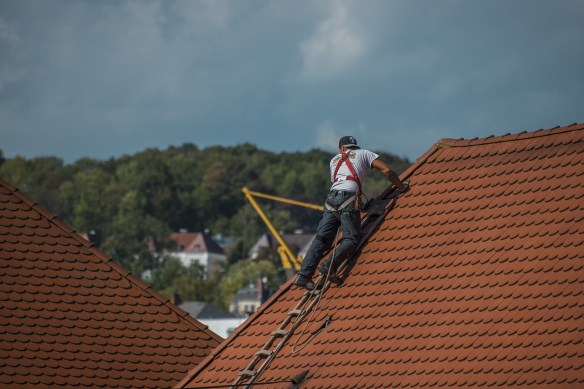
Many homeowners feel bold enough to climb the room and replace the damaged shingles themselves. Although this is not recommendable, cleaning the gutter is something that you definitely can accomplish on your own. The biggest safety issue with any repair that involves working at height is using the ladder properly. Falling from a ladder is never benign, regardless of the height, as you can seriously injure yourself. It is therefore essential that you check that the ladder is placed on level ground and that it grips firmly on the surface. Furthermore, never lean too much because your center of mass will shift too far out causing the ladder to tip over. Any repositioning of the ladder must include coming down to earth and them manually placing the ladder in the desired position.

(No) playing with power

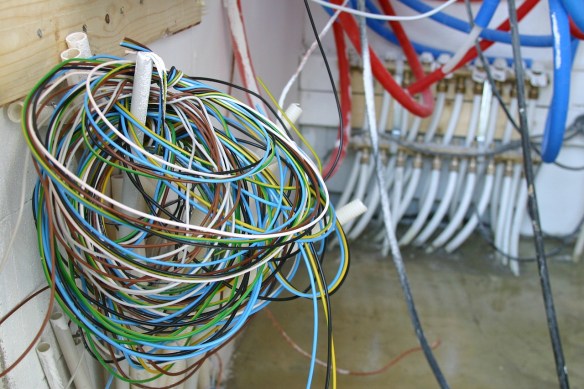
Different people have different skills and it is not impossible that you were a layman mechanic or electrician at some point in time. This means that you can have the basic skills to repair power outlets or appliances but you need to stick to all the safety regulations. For instance, when repairing the toaster, don’t open the casing past the “do not open” sign. When you are replacing a switch or a wall outlet, be sure to turn the power off before you bare the wires. You can use a circuit tester to inspect if the wires are live before you touch them. Be sure to use proper tools that have a rubber grip that will isolate your body from electricity conductors in case of unplanned occurrences. And yeah, don’t dabble with electricity during a major thunderstorm.

Fire, fire!

Hopefully, all the precautions listed here will help diminish the risk for potential disasters but you need to be ready for all scenarios. Before you start repairing and sprucing up your home, place a fire extinguisher nearby and make sure you have at least a provisional first aid kid somewhere in the house. We already mentioned how a single spark can set the structure on fire in minutes, so a fast response will prevent the fire from spreading. The same goes for work-related injuries since you are going to have to stop the bleeding before the ambulance arrives. If you’re lucky, the whole project will produce no more than a single bruise or a scratch that can be patched up with a simple adhesive bandage.

Fleeing the fumes

A typical home improvement involves applying a fresh layer of paint at the end. This is not problematic outside, but inside, the toxic fumes from the paint have nowhere to escape and you inhale them directly. Since cheaper paints are lead-based, this will lead to poisoning and you might faint. This is where the aforementioned facemask with an added respirator comes into play and it might save your life.

Finally, one of the biggest precautions that you must take turning any home improvement project is to stay clear of all hazards, like water and gas pipes. The latter are especially dangerous as they have the power to explode if ruptured. In general, if you need to bare any pipes, do so with extreme caution, as the last thing you need is to rupture the main gas line in your area. Couples with other safety measures, this alertness will help you stay safe when working on home improvements.

Liam Smith is a young and aspiring Australian blogger with a passion for everything related to
home, design and lifestyle. He has a B.Sc. in Interior design and is an avid reader.

https://www.linkedin.com/in/liamsmith2034