How to Deal With Insomnia

Image: https://unsplash.com/photos/FVRTLKgQ700

Are you tired of lying awake at night, staring at the ceiling? Do you wake up in the middle of the night for no reason? You are not alone!

Insomnia is a frustrating condition that affects up to 75% of adults worldwide. Some medications can help with this sleep disorder, but they have various side effects that worry all consumers. Thankfully, there are other ways you can deal with insomnia.

In this guide, we will introduce you to various strategies that can help you conquer insomnia and finally get a restful night’s sleep.

Understanding Insomnia

Insomnia is the most common type of sleep disorder characterized by difficulty falling or staying asleep. Other symptoms of this condition include fatigue, daytime sleepiness, concentration difficulties, and irritability.

There are two types of insomnia: acute and chronic. Acute insomnia is a short-term condition caused by temporary factors like stress or illness. Chronic insomnia, on the other hand, persists longer and often requires medical interventions.

Insomnia can be caused by different factors, such as:

  • Caffeine
  • Depression
  • Poor sleep habits
  • Stress and anxiety
  • Certain medications
  • Underlying medical conditions

Risk factors such as genetics and substance abuse can also contribute to insomnia. Knowing these causes and risk factors can help you devise an effective plan of action to get rid of insomnia.

Strategies for Battling Insomnia

You can fight insomnia naturally without resorting to medications. Here are some effective strategies to help you sleep more comfortably through the night.

Establish a Sleep Routine

It’s crucial to have a consistent sleep schedule and a bedtime routine to wind down in the evenings. Try to sleep at the same hour every night to regulate your body’s internal clock.

Create a calming pre-bed routine to signal your body that it’s time to sleep. This routine can include relaxing activities like reading a book or taking a bath.

Avoid stimulating activities like looking at your phone, and refrain from drinking caffeine for at least six hours before bed.

Create a Sleep-friendly Environment

Next, you must optimize your bedroom to get the quality sleep you need. Start by reducing noise and light. You can hang curtains or put in earplugs to minimize these disturbances.

It’s also recommended to sleep in a cool environment. Set your thermostat to a temperature range of 60 to 68 degrees Fahrenheit.

Finally, select comfortable bedding and pillows tailored to your personal preferences. A comfortable bed allows you to rest in the best sleeping positions and avoid insomnia.

Practice Relaxation Techniques

Stress is one of the main reasons people experience sleeplessness. A great way to deal with this stress is through relaxation techniques. Try meditation, deep breathing, or yoga to calm your mind, alleviate anxiety, and ease physical tension.

You can incorporate these relaxation techniques into your bedtime routine to improve sleep quality and overcome insomnia.

Try Cannabis

Image: https://www.pexels.com/photo/marijuana-in-a-jar-and-a-joint-18512074/

A natural sleep aid that has gained momentum in recent years is cannabis. This wondrous plant is packed with beneficial compounds called cannabinoids. These compounds can interact with your body’s endocannabinoid system and help you overcome insomnia.

Multiple scientists have already proven the sleep-inducing effects of cannabis. A recent study in 2022 assessed the effectiveness of medicinal cannabis in improving sleep in 29 adults with insomnia. Researchers found that cannabis improved sleep time and quality by up to 80%. By the end of the study, 60% of participants were not even considered insomniac!

Since cannabis is generally well-tolerated, you can safely try it to deal with insomnia. Try pre rolled cones, which are easy to use and effective. 

Adopt Healthy Lifestyle Habits

Lastly, you’ll improve your chances of overcoming insomnia by adopting some healthy habits in your life. Try exercising regularly and eating a well-balanced diet full of minerals and vitamins.

Avoid excessive caffeine and alcohol consumption because they can disrupt your sleep patterns. Take care of your body to prevent insomnia and promote more restful sleep. 

When to Seek Professional Help

These strategies work for many sleep-deprived individuals who deal with insomnia. However, they may not be effective for everyone, for instance, those with chronic insomnia.

If you’ve tried these tips but haven’t seen any improvements, it may be time to seek professional help. A doctor can identify the underlying cause of your insomnia and recommend personalized solutions to address it.

Don’t put off a visit to the doctor if your insomnia persists. Get the help you need and enjoy a peaceful night of sleep.

Sleep Tight With These Effective Strategies

There you have it! Five helpful strategies that will put you to sleep in no time. Insomnia doesn’t have to be a restless endeavor anymore.

You can easily overcome sleeplessness by incorporating these tips into your daily life. If they don’t work for you, you can consider visiting a healthcare professional for tailored guidance.

Try these strategies today and finally get some well-deserved shut-eye!

City Excitement: How to Show Off the Dazzling Destinations You’ve Visited

Photo by Clayton Cardinalli, courtesy of Unsplash

Having the opportunity to travel and experience different parts of the world is exhilarating, and being able to show and tell about it allows you to relive those experiences. Here are some ideas on how you can show off the dazzling destinations you’ve been lucky enough to visit.

Take Numerous Photos

Photo by SplitShire, courtesy of Pixabay

A photo tells a story, and although pictures don’t always capture the entire experience, they get pretty close. What better way to flaunt your road trip or international exploration than to share multiple photos? You can share them through:

  • Social media. These days, there are many platforms to post photos and expand on them with captions. With your friends and followers, your posts may inspire them to visit that place too! 
  • Hanging them on your walls at home. You can display them in your living room, on your fridge, or on a designated travel wall. The constant reminders of your journey may encourage you to travel even more and motivate your guests to do the same.
  • A decorated scrapbook or designated photo album. These are very fun to make and look at with friends and family who weren’t there. They’re also a history for future generations!
  • A collage. Put it all together on one glorious montage of photos, and take in the memories again all at once.  

With pictures, you can easily recount your travels often. Most importantly, it helps you remember it forever!

Record a Collection of Videos

Photo by Angela Compagnone, courtesy of Unsplash

Videos capture memories as they are happening and help viewers to feel as if they were there having the experience with you. Not to mention, as you rewatch the videos, you have the chance to mentally revisit that destination.

With videos, you can:

  • Make a reel of your experiences to share on social media platforms. This will give your followers a taste of your unique travel journey.
  • Make your own personal movie. After it’s made, take the time to view it with your friends and family members.
  • Create a designated file or collection of videos on your phone or computer that you can view effortlessly. This allows you to show off your adventures whenever you’d like.

Videos are a real-life memory that records the moments you don’t want to forget. They are perfect for showboating the place, people, and the exploration.

Use a Map to Display the Places You’ve Been

Photo by hissetehurriyeti, courtesy of Pexels

When you hang a map pinboard or memory board, you can showcase all the destinations you’ve explored to all your visitors. Having a vision board alongside of that helps you remember your travel goals for the future.

The benefits of having these on your wall include:

  • Having a constant view of positive memories to look back on.
  • Motivation to continually explore. Displaying where you’ve ventured may be an inspiration to travel more.
  • Proof that you have reached your travel aspirations in the past and will continue to do so in the future.
  • A straightforward reminder of the reason why you love to adventure. 
  • A chance to encourage your friends and family members to travel too.

You can’t go wrong with having a map or memory board hanging in your home.

 Write About Your Adventures

Recounting through words does more than you think! Writing not only tells about the experience, but it also describes your thoughts, feelings, and emotions about it too. How you feel about your travels is an important element that can’t always be fully expressed through pictures or video.

Photo by Kira auf der Heide, courtesy of Unsplash

You can share your written works through:

  • A blog. Having a travel blog allows readers to take a trip through the past with you and visit places they may not have had the chance to yet.
  • One of the various online, self-publishing platforms. If you don’t want to create a blog but want to self-publish work, this is a great start! You can also build a following to get more readers so that your adventure stories have a wider reach.
  • A published journal or book. There are many fellow travelers who like to read about places and experiences from a different perspective. So, if you’re serious about writing, this might be the route to take.

Writing is an effective and powerful way to show off all the glamorous places you’ve had the opportunity to tour!

Show Off Your Travels

Photo by Joanna Kosinska, courtesy of Unsplash 

There are multiple ways to parade your travels for the world to see. This can be through photos, videos, written accounts, or having a map/memory board and even expand into your own personal collections of memorabilia, souvenirs or more. It’s something you can do alone or turn into a fun DIY project with your kids or even friends. Enrich the world by making your experiences known.

7 Fun Adventure Ideas for People Wanting More from Life

Image: https://unsplash.com/photos/DijA5f0voGQ

When you stop and think for a moment, you’ll realize that life is quite a remarkable journey filled with so many unique opportunities for memorable adventures and personal growth. If you’re the type of person who craves excitement and doesn’t want to waste a single minute in life, then you’ve come to the right place.

We’re here to explore seven thrilling adventure ideas guaranteed to ignite your spirit and add a touch of excitement to your day-to-day. From conquering notable peaks to swimming in the depths, these seven activities will create unforgettable memories and provide a sense of fulfillment.

Let’s buckle up and embark on what could be the most extraordinary step of your lifetime!

7 Adventure Ideas for Those Craving More

1.    Skydiving: Defying Gravity

It wasn’t long ago that those defying gravity were flying in airplanes safely and comfortably to arrive at their destination or jumping from an airplane during wartime. But now, folks enjoy jumping out of an open airplane for fun. Just take a moment to imagine the rush of wind against your bare skin as you freefall from an airplane in what is surely an adrenaline-fueled moment, unlike any other experience on this planet.

It’s all about the breathtaking views and sense of accomplishment that most in your daily life cannot match. It’s true that, for many, skydiving remains unachievable due to a crippling fear of heights. But for you? It’s one more adventure to overcome!

2.    Scuba Diving: Exploring Underwater Realms

Perhaps the only thing more exciting than jumping from an airplane from immense heights is the polar opposite. Scuba diving allows us to explore the mystical depths of the ocean, discovering an alien-like world filled with vibrant marine fauna and flora.

Diving opens a wealth of opportunities to explore coral reefs, come face-to-face with sea creatures once only encountered in books, and witness how underwater ecosystems flourish firsthand. For seasoned and beginner divers alike, nothing quite beats the serenity and inspiration that stems from exploring underwater worlds.

3.    Hiking in the Remote Wilderness: Discover Forgotten Gems

Many live in urban centers for the culture, job prospects, and lifestyle, but there’s nothing wrong with packing up and leaving the hustle and bustle behind for a short period. Nature can become immersive and tranquil when you look in the right places.

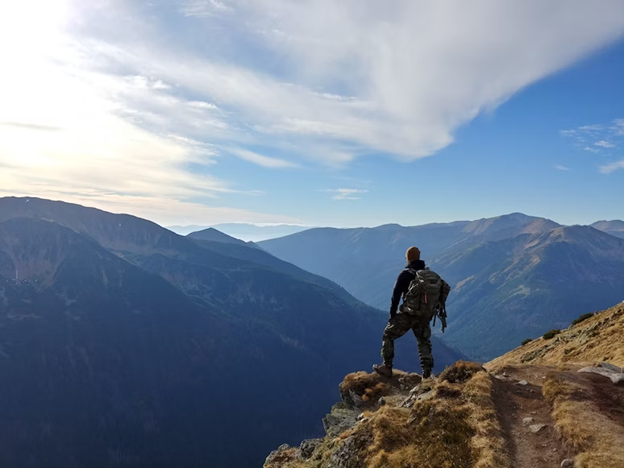
By embarking on a hiking adventure to remote locations, where untouched landscapes and breathtaking views await, you become more in tune with the world as a whole. There are national parks to explore, dense forests to trek, and rugged terrain to conquer. Hiking is a fantastic workout to keep in shape at any age and allows us to reconnect with Mother Nature, to find solace in the quiet and comfort of the outside world.

4.    Visiting a Shooting Range: Unleashing Your Inner Marksman

Image: https://unsplash.com/photos/-VRtZv7SUbU

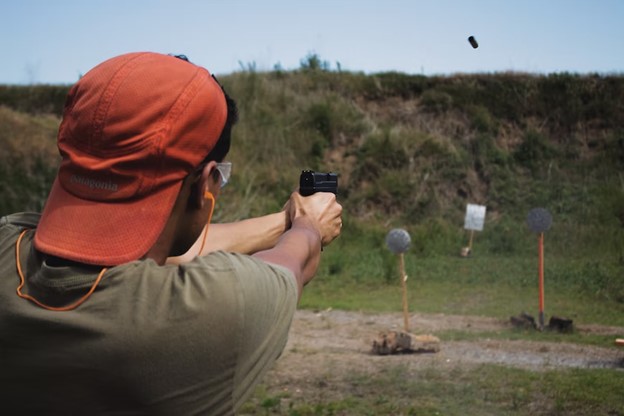
The combination of an exhilarating adventure and a touch of precision, perhaps with some learning involved, makes visiting a shooting range one of the most unique and rewarding experiences imaginable.

With the guidance of trained professionals, and the proper equipment, like a fully-customized AR-15 rifle, you can learn how to handle firearms safely and hone your marksmanship skills in easily-digestible sessions. Furthermore, the controlled environment of a shooting range and the thrill of hitting targets will leave most with a newfound sense of focus and accomplishment.

5.    Rock Climbing: Reach New Heights

If a fear of excessive heights keeps you from jumping out of an airplane, why not start with baby steps by rock climbing? You can reach new heights, challenge yourself physically, and indulge in a long-standing sport that is rewarding and versatile.

Whether you opt for indoor climbing walls or peak-performance rock climbing in the great outdoors, the sense of adventure and test of your strength, agility, and problem-solving make for an unforgettable trip. By overcoming challenging routes and reaching new peaks, you’ll boost your confidence and find yourself fulfilled; it’s unlike any other experience on the planet.

6.    Road Trip to Unknown Locales: Embrace Your Inner Spontaneity

Image: https://unsplash.com/photos/5d20kdvFCfA

If you’d like to adventure on a budget, nothing beats a road trip into the unknown. The only major expense is gas to keep the car rolling down the road; the rest is free if you wish. By packing your bags, hitting the open road, and allowing spontaneity to guide your path, an unforgettable road trip awaits.

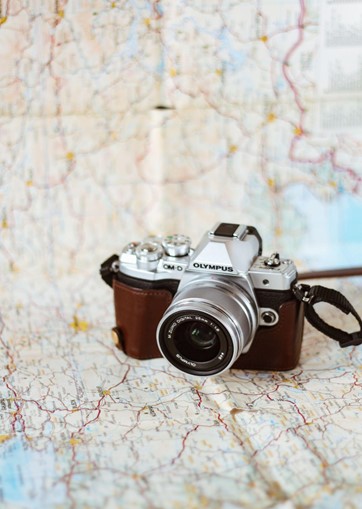
To start, consider opening a map and selecting a destination you’ve never visited previously, then discover hidden gems along the route and create memories that will last a lifetime. A road trip offers the freedom to explore at your pace, embrace unexpected detours, and connect with different cultures and landscapes. Just don’t forget to pack a camera to capture the memories forever, and your favorite smoking equipment to keep you on your toes each day!

7.    Volunteer for a Cause: Make a World of Difference

Most don’t think of volunteering as an adventure, but working with and for a meaningful cause can be more rewarding than jumping out of an airplane or hiking the remote wilderness. But it’s crucial to volunteer for a cause that resonates with you, whether environmental conservation or helping the less fortunate.

Not only does volunteering contribute to society, but it provides those who volunteer their time and energy with a unique sense of perspective on life. Also, it’s a fantastic way to create meaningful connections with like-minded individuals, some of which may blossom into friends for life.

Conclusion

Life passes so many of us by, yet it’s meant to be lived to the fullest by embarking on adventures and creating memories. Whether you want an adrenaline rush, personal growth, or something in-between, these seven adventures hopefully inspired you to take the next step on your personal journey.

Remember, life is an adventure, and it’s up to each of us to make it our own. Take the leap, dive into the unknown, and explore a world of wonders. Start exploring today!

Patient Verification In United Kingdom – Requirements Put Forth by NHS

The European healthcare sector has been facing backlashes since digital medical services took over as a solution to public health concerns. In order to offer instant medical help to patients, the European Commission put forth the EU4Health program. This initiative focused on raising €5.1 billion to transform the health sector and bring in easy-to-access digital services.  So patient verification could become more

Similarly, England’s National Health Services (NHS) is taking efficient measures to verify patient identity in the UK. The most common of them include developing digital healthcare services to decrease the pressure frontline healthcare professionals undergo. The blog covers guidelines provided by the NHS regarding patient verification in the United Kingdom (UK). 

Identifying Patients for United Kingdom (UK) – Guidelines by National Health Services (NHS)

While healthcare businesses are putting in efforts to digitize services, NHS is also providing guidelines regarding patient verification in United Kingdom. As the medical records, payment details, and Personally Identifiable Information (PII) will be available online, the healthcare sector needs efficient measures to identify patients in the United Kingdom (UK) for ensuring authorized access. 

Moreover, the NHS has also established a login service for people where they can prove their identity once in whatever way they feel convenient. The healthcare sector here should establish efficient mechanisms to validate patient identity for UK records. The measures taken by the NHS massively focus on building trust among citizens and encouraging them to use digital medical services. 

Furthermore, the requirements of NHS’s login regarding identity management involve principles approved by the government. Moving on, the know your patient in United Kingdom (UK) standards as the NHS proposed involves the following checking mechanisms. 

Vouching – Verification of Entered Information 

Among the three approved methods to identify patients in the United Kingdom (UK), vouching is the first in line. As per the guidelines by the NHS, it is imperative to validate people before providing them with digital medical records. Data breaches and fraudulent medical claims are two of the most crucial reasons for placing this patient verification in the United Kingdom (UK) restriction. 

Vouching gives patients the liberty to easily validate their identity and sign up on the General Practitioners (GP) online services platforms. This way, they won’t have to remember file numbers or bring authentication documents to visit the doctor. The patient verification in the United Kingdom (UK) is carried out by medical staff. The healthcare professionals make sure there are no deceptions during patient onboarding. For further assurance of safety and convenience, the NHS proposed ID verification for pharmacies in the United Kingdom (UK) and information authentication in the rest of other healthcare centres.

Moving on, vouching is essential to verify patient identity for the UK and provides the following advantages:

  • Remote and paperless patient  onboarding 
  • Easy access to medical services for people with long-term ailments like diabetes
  • Leverages authority to GPs for allocating the treatment to patients during virtual consultancy

Vouching with Confirmation – Question/Answers Process

In the previous method, the healthcare professionals were responsible for carrying out patient verification in the United Kingdom (UK). The process involved the authentication of information and medical records. 

However, in vouching with confirmation, the identification mechanisms are slightly different. If patients are already in records and the doctor or any member knows them, the process to verify patient identity for the UK becomes more simple. The healthcare professional simply has to ask questions regarding information from the treatment or medical records.  

Moving on, the vouching for confirmation process involves patient age verification in the UK as well as their identity validations. However, while questioning the person following measures should be taken.

  • No confidential details should be revealed unless the patients verify their identity 
  • The questions should be more specific and less general
  • The questioning process should be discrete and performed by any authorized personnel

Validation of Identity Documents

In some cases, patients are unable to provide medical documents for identity verification. Therefore, they should at least provide a photo, driver’s license, bank statements, or passports to complete the KYC Verification in UK. Document verification is commonplace to comply with the know your patient in the United Kingdom (UK). However, where it provides convenience, challenges like people forgetting to carry IDs with them arise. 

To minimize the chances of this from happening, digital patient verification in the United Kingdom (UK) enables remote identification. Ultimately the healthcare sector can ensure data security, authorized access, and seamless patient onboarding.

In the End

NHS falls among the four major National Health Service systems in the United Kingdom. This publicly funded healthcare association is responsible for establishing guidelines regarding patient verification in United Kingdom along with how the healthcare sector can ensure data security. England’s NHS is seen striving to provide digital medical aid to remote people. It also empowers healthcare professionals to verify patient identity for UK while bridging the gap between people through trust.

7 Supplements To Help Alleviate Anxiety

URL: https://www.pexels.com/photo/medicines-on-the-table-3850790/

Feelings of dread, irrational fears, and an inability to focus are typical anxiety symptoms. At its worst, anxiety can be debilitating, preventing you from working effectively and sleeping well. It’s estimated that over 27% of US adults struggle with anxiety and almost 42% of young adults aged 18-29 are similarly burdened.

Anxiety is a growing problem in an uncertain world. But there’s help at hand and you don’t need a prescription for it! Let’s look at 7 supplements to help alleviate anxiety and get you feeling more like yourself.

CBD (Cannabidiol)

While not yet cleared for use as an anxiolytic (anxiety-reducing medication) by the FDA, a recent Forbes health survey revealed that 51% of US adults using CBD do so to reduce anxiety. And numerous studies have confirmed CBD’s effectiveness in calming anxiety.

Working with the endocannabinoid system in your body, CBD serves to move you closer to homeostasis (a state of balance in bodily systems). That balance has a positive impact on mood, immune response, and stress, among many other consequences of organic imbalance. When CBD binds to CB1 and CB2 receptors located throughout the body, your nervous system responds by creating a more balanced, hospitable physical environment. You may find that you can order CBD products online or that your local dispensary will even deliver CBD to your door!

Kratom (Mitragyna speciosa)

Derived from a relative of the coffee plant native to Southeast Asia, Kratom contains two compounds that are gaining rapid notoriety for easing anxiety – mitragynine and 7-hydroxymitragynine. Acting on receptors bound to nerve cells, these compounds provide an effect similar to anxiolytic medications.

While research into this plant is limited, its use in Asia over centuries (possibly millennia) indicates its efficacy. But one study has recently found that Kratom has a positive effect on anxiety and other mood disorders.

THC and CBD (Tetrahydrocannabinol and Cannabidiol)

THC is the intoxicating and psychoactive component of cannabis. When combined with non-intoxicating CBD in a 1 to 1 ratio, the resulting effect positively impacts anxiety. But for those who don’t desire the intoxicating effect of THC, a higher CBD content serves to reduce it. Cannabis producers are refining their crops to make it easier for you to find products specifically tailored to your needs.

THC and CBD, when taken together, provide a relaxing effect on nerves that extends to muscles, reducing anxiety-related physical responses like tension in your neck and shoulders, grinding your teeth, and clenching your jaw. If you struggle with these symptoms, a higher CBD dosage will benefit you, should you choose to try this supplement. Not everyone cares to vape, so try an edible, a tincture, or a salve instead.

Omega-3 Fatty Acids

Fish oil is a prized supplement known to have tremendous health benefits but it also plays an important role in reducing anxiety. In fact, science is increasingly pointing out the value of nutrition in battling mood and mental health disorders.

Omega-3 fatty acids have a prophylactic effect on the brain, protecting it from inflammation. Over-the-counter medications can’t treat brain inflammation, as they can’t cross the blood-brain barrier, designed to protect the brain from toxins and pathogens. Add them to your diet as a supplement or find them in foods like fish, walnuts, and avocado.

Chamomile (Matricaria chamomilla)

URL: https://www.pexels.com/photo/close-up-shot-of-a-glass-of-chamomile-tea-9403473/

The tiny chamomile flower is a mighty anti-anxiety helper, long known to calm nerves and impart a sense of overall relaxation. People all over the world regularly consume a cup of chamomile tea to help them sleep.

Chamomile’s effect on anxiety is believed to be linked to its effect on the neurotransmitter, GABA, also affecting the output of serotonin (reduced levels of both are associated with anxiety.) And while clinical evidence is scarce, chamomile has been used for millennia as an agent for calming nerves and it is commonly used as a sleep aid.

Saffron (Crocus sativus)

Saffron is the rarest, most costly spice in the world. But it’s also an ancient medicinal aid, promoting digestion, calming anxiety, and reducing inflammation. Derived from the yellow stamen of the crocus flower, people have turned to saffron for both flavor and health for millennia.

Saffron has been proven to be as effective as fluoxetine (Prozac) for the treatment of depression. Taken as a tea or in the form of a supplement, this natural remedy is safe and effective for reducing anxiety.

Lavender (Lavandula)

When we think of lavender, we think of the scent and the soothing effect of this beloved flower’s delicate perfume. In fact, the best way to use lavender as a natural helper for anxiety is aromatherapy.

The scent of lavender activates the limbic system, which governs our emotions. This system includes the hypothalamus, the part of the brain in charge of transmitting anxiety signals to the hippocampus, which regulates anxiety. This simple, sweetly scented flower has helped millions of people with anxiety, naturally.

Alleviate anxiety with these 7 natural supplements. Add crucial self-care like exercise, mindful nutrition, and an anxiety-soothing home environment and you’ll be feeling better in no time!