Moving Across The Country Made Easy

There is a lot to do and think about when it comes time to move into a new house, especially if that new home is on the other side of the country. If you have a family that you need to bring with you, then the process becomes that much more complicated. The good news is that although it won’t always be fun, you can make a long-distance move with the family more manageable with proper planning, smart packing, and some great tips that we’ll discuss here today.

Proper Packing And Preparation Are Key

There is no way around it. Moving a family across the country will be an expensive endeavor. However, you can make many adjustments to cut unnecessary costs, so you aren’t so financially stressed. One big expense that you can cut is the cost of hiring professional movers and instead, pack and transport your belongings yourself. You can either rent a moving truck, a moving container, or a freight trainer to get your stuff from point A to B.

Packing your house can be a nightmare, so keep the process as organized as possible. Go room by room and start separating items that you want to keep from what you plan to donate or give away. This is a good chance to clear out unneeded clutter. If you are packing any of the belongings in your garage, then make sure to drain all of the fuel from the gas-powered equipment and bundle garden tools together for easy handling. That way, you will have everything together when you arrive at your destination.

Once the truck is loaded, you will want to start planning your trip. This is especially important if you have children that you know will get hungry or tired during the cross-country drive. Take the time to find affordable restaurants and hotels along the way that you can stay at to rest your eyes and wake up refreshed for another long day of driving. Also, consider making your hotel reservations ahead of time so you can just show up and get to your room with little fanfare.

Keep Your Kids And Pets At Bay

A road trip across the country may be fun at first, but as the drive goes on, your kids and pets may begin to get a bit restless. Since you will want to be cautious and responsible when driving, it is important that you ensure that your passengers are safe and entertained.

Safety is key during the drive. Before you leave for the trip, make an appointment to have your vehicle inspected so you can verify that you won’t have an accident along the way. Have them check the brakes, oil, tire pressure, and top off all of the fluids. Also, verify that all seat belts are in good working order before you leave and that kid’s car seats are properly attached.

If you have a dog along for the ride, then it is only a matter of time before it starts moving around, so you will want to help your pet get used to the car and provide them with a comfortable seat. If your pet has never been in a car before, then help them acclimate to the vehicle before you leave and never let them sit on your lap during the drive. It is also a good idea to give your pet a microchip or update your contact information on their tag before you leave so you can find them if they get lost.

When your kids inevitably get restless during the trip, keep them entertained by having them create a scrapbook of the move as you go about the journey and allow them to have their favorite toys, so you don’t have to dig through boxes to find them if the kids get crabby.

Other Tactics To Save Your Sanity

There are other strategies that you can use that can make an already stressful endeavor more tolerable. For instance, if you can afford to pay for hired help, then consider contacting professional movers as they can take a lot of stress off of your shoulders. Many moving companies will help you pack your house, transport the goods to the new location, and then help you unpack or at least put the boxes in the proper rooms when you arrive. Before you contact potential movers, look at online customer reviews to ensure that you are hiring a quality company.

It is very important that you practice self-care during the trip. You may be in a rush to get to your new home, but if you don’t take care of yourself, then you could do more harm than good. When you go to the hotels, get seven to nine hours of sleep, so you don’t get tired on the road. Also, eat a good breakfast and consider spending a few minutes in the hotel gym. Both of these activities will give you some natural energy for the trip.

Finally, although you likely want to make good time, don’t forget that this is an adventure for the entire family, so don’t be afraid to stop at some roadside pit stops where you can either see cool attractions or get a bite to eat at a unique restaurant. Plus, it will give everyone in the car a chance to stretch their legs.

So there you have it. Great tips to make your cross-country move fun, inexpensive, and relatively stress-free. Consider these tips, and you’ll be arriving and moving into your new home in no time.

Layering Dresses When It’s Cold Out

Your favorite beautiful dresses don’t have to sit gathering dust in your closet when the weather’s cold. It’s super easy to layer dresses in the cold weather so you can show off those sundresses year-round!

Just follow these quick tips for how to stay warm in a dress during winter and you can look frilly and flouncy all season long.

Some Essential Layering Tips for Any Outfit

First, you need to make sure you’re keeping warm the right way. There are a few essential points about basic layering you should know so you can learn how to stay warm in a dress during winter!

  1. It’s possible to look stylishly layered without looking bulky. To do this, keep your thinnest layers inside, and save the frilly fabric for the exterior.
  2. Keep only one or two items that have a bold pattern. If your dress is colorful and bright, for example, wear a dark jacket and tights to not overwhelm it.
  3. Keep your outer layer long. A dress looks much better when the jacket is long enough to suit it.

Under-Dress Basics: Layering Essentials

The items you wear under your dress should be thin, but warm, so that you don’t look bulky. Opt for insulating materials like cotton or wool if you live in a seriously cold place.

  • Innermost layer: Camisoles/tank tops/undershirts

If you live in a climate that gets seriously cold, like Minnesota or Canada, every single layer is important. If you’re going to try and wear a dress in the winter (you brave soul!) invest in thermal inner layers designed to wear beneath your clothes. They go a long way to protect your skin and keep you warm.

  • Turtlenecks

Turtlenecks for a layered dress? Yes please! Just not the thick, chunky woolen sweaters with a neck — you’ll look like you’re smuggling a small animal under your dress. We’re talking those relatively thin, form-fitting turtlenecks.

  • White T Shirt

This is a good look to take you back to the 90s, too. Simply pair it with a corduroy overall dress and you have a timeless Americana look.

  • Thermal tights

This is our #1 essential item for layering dresses! Numb, exposed legs are the worst part about trying to stay warm in a dress during winter. If you get tights that are still form-fitting but designed to keep you warm, the problem is all but solved.

You probably won’t find thermal tights that are sheer or partially sheer. They’re most likely to be solid colors, like black. That’s not an issue; you want your dress to be the star of the show.

You can also get thermal leggings to do the job, so long as you wear very warm socks. If your feet are cold, it’ll be hard for you to feel warm no matter how many layers you wear.

  • Warm socks

When it’s cold out, you should wear warm socks and gloves. There’s nothing revolutionary we can really add to that — your mom was right. Don’t forget your warm socks!

  • Boots

When you’re layering dresses with tights and jackets for the winter, your best bet for footwear is a reliable pair of leather boots. If you have cute patterned socks, you can tuck them over your lace-up boots to show them off.

You can opt for the Bella Swan converse-and-prom-dress look if you want, but in our opinion, that’s a little dated. Up to you!

Over Dress Basics: More Layering Essentials

Experiment with cute jackets and chunky patterned cardigans! Go wild!

  • Jean jackets, bomber jackets, peacoats

Do you have a funky jacket in your closet that you love, but never have the chance to wear? Now’s your chance. Layering dresses is a perfect opportunity to bring out that kitschy patched up jean jacket from the 80s. Wear it over a plain dress and tights so that the jacket’s the star of the show!

Tip: If you wear a jacket that cinches in the middle, it can go a long way to make your silhouette look curvier when you’re wearing all those layers.

  • Chunky cardigans

Is there anyone here who can admit they don’t practically live in warm cardigans when they’re trying to stay warm in a dress during winter? They’re not only perfect to live in, but they’re also perfect to layer over a dress. Or, wear your dress as a skirt by pairing it with a warm, cozy sweater.

  • Scarves, scarves, scarves

Not only can you stay warm in a scarf, but it’s also easy to take off if you get too warm.

Perfect Dresses for Layering

If you have the warm inner and outer layers down pat, you can style almost any dress in your closet! Even summer spaghetti strap dresses and sleeveless dresses can work when you’re layering dresses. Well, you might want to avoid ball gowns and statement pieces you’d see at the Met Gala, for example — but that’s your prerogative.

Practicing Sustainability Through DIY Home Project

https://www.pexels.com/photo/person-holding-a-green-plant-1072824/

Practicing environmental sustainability is everybody’s responsibility. Luckily, you can make a meaningful difference as an individual. There are certainly well-known sustainability practices, like reducing plastic waste and reusing paper whenever possible.

 However, many people aren’t aware that they can adapt their homes to be more sustainable. In most cases, the improvements you can make don’t require costly professional contractors or a lot of expensive specialized equipment. A little research, planning, and creativity can take you a long way.

Making Your Home More Energy Efficient

Energy efficiency is one of the most powerful ways you can make a difference in your home. This is because the overuse of energy has a range of impacts on the environment.

The good news is that there are various DIY projects you can use to improve your home’s energy efficiency while also reducing your household energy costs. Some of these are relatively simple. For instance, plugging your electronic devices into surge protectors and power bars allows you to mitigate the potential for items to keep pulling electricity while in standby mode.

One of your primary focuses for improving energy efficiency should be your windows. A significant amount of air and heat is lost through poorly sealed panes and frames. If you’re uncertain whether you need to make improvements here, there is a relatively simple test. Light a candle and move around near the edges of the window. If smoke is drawn to a specific area of the glass, this indicates leakage. You can then seal these points with acrylic caulk or add new internal weather stripping. 

Applying Small Upgrades

Practicing sustainability isn’t just about looking for problem areas and fixing them, though. You can also make upgrades to your home that improve the positive impact you’re having on the ecosystem. This doesn’t have to be a huge renovation, like installing a geothermal heating system. Smaller updates to outdated items can have a cumulative effect on the environment.

You can start by focusing on sustainable home upgrades that don’t require a large budget. One of the most simple options here is going through your home and replacing any incandescent light bulbs with light-emitting diode (LED) versions. These both reduce energy consumption and last longer, helping to reduce waste since they don’t need frequent replacements. Fitting a low-flow showerhead in your bathroom can also significantly reduce water consumption.

Making Bigger Changes

If you’re feeling a little more ambitious, it can be worth spending a few hours on the weekend upgrading your attic insulation. Utilize products that not only mitigate energy loss but are also produced from eco-friendly materials. Cellulose, cork, and even denim are currently used as green insulation products. Avoid using toxic chemicals in your home and opt for safer, homemade alternatives.

Optimizing Your Sustainability Practices

One of the first steps people take when deciding to go green is to adopt sustainability practices into their lives. However, there are always improvements you and your family can make here, even if you’ve already adopted sustainable practices.

If you have a little extra space in your home, you can create a home recycling center. A portion of your garage, utility room, or kitchen could be perfect for this. This project is largely about making the organization of recyclable materials easier for every member of your family so they’re more likely to maintain good practices.

If you have an old cabinet, you can adapt it to be a useful frame for this center that also matches your decor. Create drawers, tops, or boxes from waterproof material and label them for different types of recyclable objects. Place these within your cabinet and encourage your family to dispose of their trash appropriately. This also makes it easier for you to transport items to the relevant local recycling area.

Going Outside

Your DIY upgrades don’t need to be limited to the inside of your home, either. You can update aspects of your yard to make for a greener home. One of the most accessible ways to adopt solar power is to create a ground-mounted solar panel array. You can either buy a panel frame or build one from wood; either way, the key is to make sure you place them in a space that gets unobstructed sunlight. On a smaller scale, installing native plants in your yard attracts and feeds pollinators that are essential to the continued health of the planet.

Outside of the home, it may be the case that you’re already composting or cultivating a sustainable garden. But you can push this further by collecting rainwater to nourish your plants rather than putting pressure on reservoirs. This is a relatively simple DIY project. An old trash barrel tends to be the perfect vessel for collection. Attach a screen to the mouth of the barrel to prevent insect contamination and breeding and drill a hole near the top of the can for overflow purposes. Mounting the can to some wooden blocks can prevent it from blowing over during storms.

Conclusion

If you have a spare few hours on the weekend, some DIY projects can help ensure your home has a positive impact on the environment. Look at fixing issues that result in energy inefficiency. Making small upgrades to your lighting, bathroom, and yard can make a cumulative difference. Projects that optimize your current sustainability efforts can help you get more from your actions. Everybody has a responsibility to mitigate the damage to our planet. Throwing some DIY projects into the mix can make the process even more rewarding.

How the Pandemic Changed the Way People Parent

https://pixabay.com/photos/family-holding-hands-parents-child-1866868/

Much has changed since the COVID-19 pandemic. The world is much more tuned into the guidance of health and wellness professionals. Our economic landscape has devolved and evolved. And the norms for interactions have transitioned to mostly digital platforms.

Parents have changed, too. They’re worried about their children’s health and safety more than ever. But they’re also committed to doing more to nurture and protect children’s health, wellness, and personhood.

Maternity Care Has Changed Drastically

You’ve probably heard the saying, “Parenting starts in the womb.” Bonding with and caring for a child starts well before entering the world. Maternity care is essential to a child’s healthy development during and after pregnancy.

That said, the pandemic drastically changed maternity care. For example, many doctors are adopting a hybrid approach to prenatal and postpartum checkups. This involves both in-person and virtual appointments.

Further, many practices don’t allow multiple people in the delivery room anymore and require shorter hospital stays after birth. On a positive note, however, they’re ramping up mental health and other post-birth resources to support mothers and families at home. Even though maternity care in hospitals and offices has changed, the at-home support for mothers and their new babies is improving.

Parents Are More Mindful of Illnesses, Germs, Viruses, and Bacteria

If the pandemic has prompted anything from parents, it’s to be more aware of how dangerous various germs, viruses, and bacteria can be for their children. Aside from COVID-19, parents are practicing greater awareness of other common childhood illnesses, allowing them to identify symptoms more quickly and efficiently.

For instance, lethargy is one of the most common symptoms of a sick baby. It typically resolves on its own. But, when excessive exhaustion, sleep, or unresponsiveness lasts long-term, it could signify something more serious. It’s essential to pay attention to children’s physical appearance, how they act, what they touch, and what is put in their mouths. The pandemic has prompted parents to be more in tune with these indicators.

There’s a Hyperfocus on Mental Health and Emotional Wellness

The CDC revealed that, at the start of April 2020, pediatric emergency department visits related to mental health increased and remained that way through October. The study also stated, “Compared with 2019, the proportion of mental health-related visits for children aged 5–11 and 12–17 years increased approximately 24% and 31%, respectively.” As hard as this is to read, it shone a light on the need for better support for children’s mental health.

Parents have since opened up the conversation around their kids’ mental health and emotional wellness. They’ve also played a more active role in ensuring their children receive the support they need, whether that is therapy, self-care, or another treatment option. Seeking out and providing more support for mental health and emotional wellness is one of the most positive parenting changes since the pandemic.

A Heavier Focus on Interactions

One of the most memorable things about the pandemic is the “six-feet apart” rule. We spent many months not being able to hug our distant loved ones, give handshakes to strangers, or touch in any aspect because it could spread COVID-19.

This was tough on our kids, as children are more likely to want to express themselves with physical touch. Even though the above restrictions have since eased, parents are still conscious of whom they and their children interact with. They’re also more mindful of their surroundings and where they go, ensuring their kids aren’t around sick individuals or too many people at once. Group gatherings are returning, but parents are more appreciative of and willing to attend smaller events.

Better Preventative Care and Maintenance

There were a lot of parents who may have neglected preventative care and maintenance before the pandemic. However, since medical professionals emphasized it as a tangible way to combat COVID-19 and illnesses in the future, parents have taken heed of this advice.

For example, parents are keeping up with all their children’s preventative care and specialist appointments. They’re also doing the small gestures that maintain their child’s health, like ensuring they wash their hands often, use hand sanitizer in public places, and mask up when necessary. Better preventative care and maintenance is a big win for parents and children post-pandemic.

More Time To Bond

Many parents transitioned to working from home during the pandemic. It was challenging for many to balance parenting and working, but those who did it successfully enjoyed the benefits of more family time and sharing hobbies with their kids.

More quality family time helped parents appreciate how important it is to nurture parent-child relationships, not just for the relationship’s growth but for their child’s development. Parents have continued this trend after the pandemic. They are doing more to form stronger bonds with their kids and help them grow into who they genuinely are so that they can flourish as adults with healthy attachment styles.

Conclusion

The pandemic has changed the way people parent in more ways than one. Although some parents have chosen to keep their kids on lockdown, many others have instead decided to take mindful actions to better support their child’s health, wellness, and safety so that they can enjoy a post-pandemic world. This way, they can grow in safe, effective environments conducive to their success.

A Day Of Victorian Era Hobbies

https://unsplash.com/photos/h5E9p3NG218

A Day of Victorian Era Hobbies

There’s no denying we’re living in a fast-paced, tech-forward world. While the 21st century has many advantages that the 1800s did not, there are still ways we can enjoy Victorian-era hobbies today.

Whether you’re a Victorian enthusiast, a history buff, or you’re just looking for a unique way to change up your activities and try something new, consider planning a day of Victorian-era hobbies.

From morning to evening, you can enjoy the simple-yet-sophisticated lifestyle of what someone might have done on a typical day in the Victorian era. It’s a great way to spend a day away from technology, do something different with friends and family, or even educate your kids with a bit of interactive history.

Let’s take a look at how you might plan your day filled with Victorian-era hobbies, and how you can enjoy each one.

Morning

In the early Victorian years, breakfast typically consisted of meats, cheeses, and beer. That might sound more like party food by today’s standard. However, over time the scope of breakfast changed to what most people recognize today as “full English,” consisting of things like:

  • Eggs and bacon
  • Bread
  • Fish
  • Porridge

While you might not want to have fish for breakfast, you can absolutely enjoy freshly-fried eggs and thick-cut bacon. If you want to be as authentic as possible, consider making your own bread.

While it’s baking, take a brisk walk around your neighborhood. People in the Victorian era tended to eat more calories than we do today, but they were far more active, walking nearly everywhere.

As you’re enjoying your breakfast, do some reading and relax while you ease into the day. Consider scanning through some classic pieces of Victorian poetry by Bronte or Browning, and plan out your day so you have a basic idea of what needs to be done. In the Victorian era, that may have included preparing any food that would need to be eaten later in the day, so it could start cooking and be finished by dinner time.

Midday

After a hearty breakfast and a morning of relaxation, consider filling your afternoon with as many fun hobbies as possible. You might be surprised to find that you really enjoy some of the “old-fashioned” activities, including Victorian-era arts and crafts.

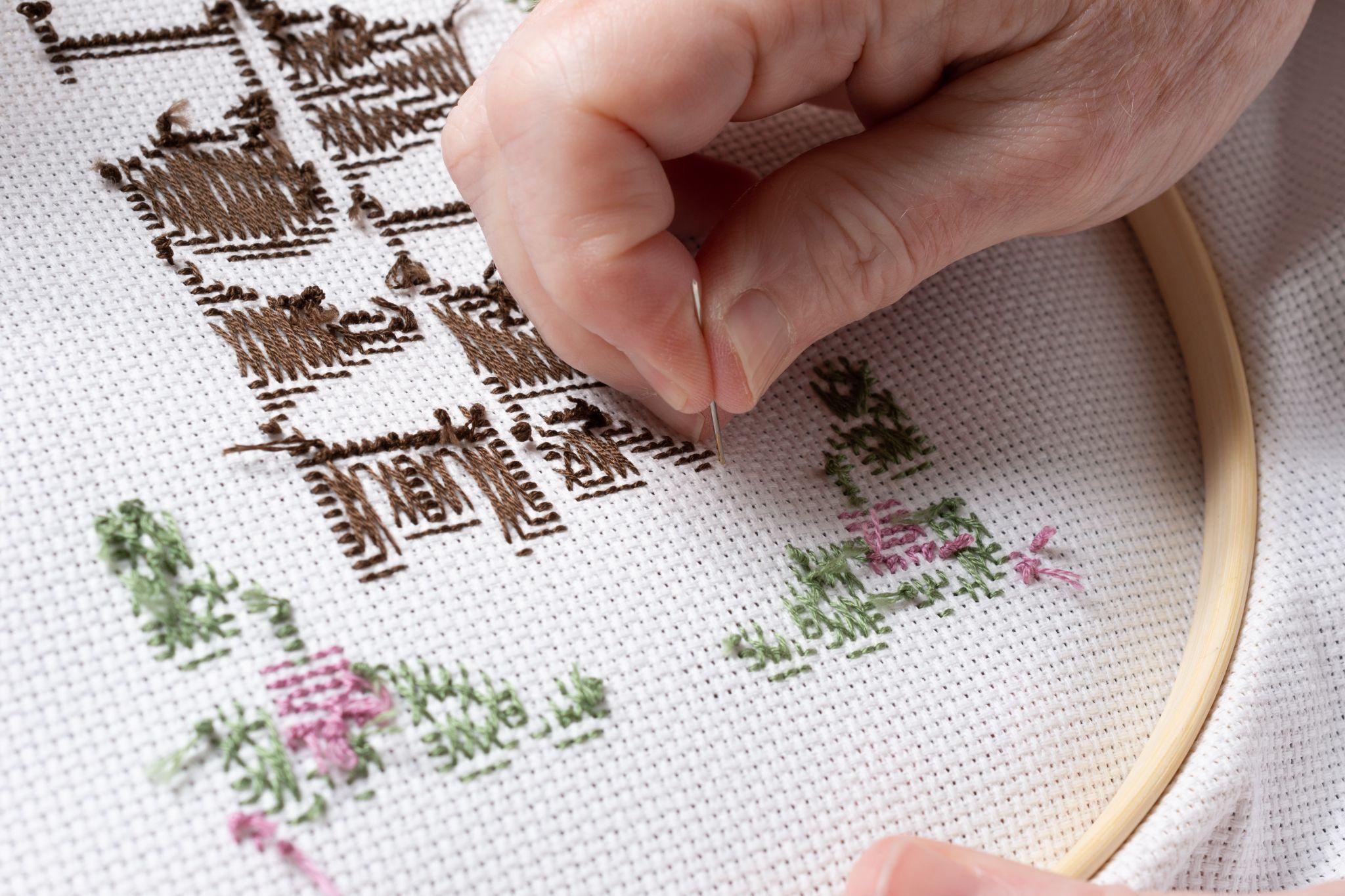
Many practices are making a comeback nowadays, including things like letter writing with wax seals, embroidery, and flower pressing.

Victorian women, especially, were often extremely busy with “DIY” projects during the day, tackling everything from natural dyeing to shellwork and paper art. If you don’t want to get too crafty, consider sitting down and hand-writing a letter to a friend or family member. It’s a thoughtful gesture, and who wouldn’t want to receive a kind note in the mail in this age of email and texting?

If you’d rather be a bit more active with your midday activities, try something new like clay pigeon shooting. This is a fantastic outdoor activity to enjoy with friends, or even on your own if you’re looking for some solitude.

Clay shooting actually started in the Victorian era, beginning with glass balls filled with feathers. It quickly became a sport of its own and remains popular today. You don’t have to be a shooting expert to enjoy yourself and stay safe. Plus, there are many benefits to target practice, including improved balance and stronger hand-eye coordination. It also serves as a great way to alleviate stress.

Evening

There was no better way to end a long day in the Victorian era than by being surrounded by friends and family.

Some things never change.

You can end your day of Victorian hobbies by hosting a historical dinner party. Serve traditional food and drink, and consider hosting your party outdoors in the garden. 

Obviously, you don’t have to be completely authentic here. Your main goal should be making sure your guests are comfortable and happy. If you plan on hosting outside, keep the following outdoor dinner party do’s and don’ts in mind:

  • Choose a location with enough space
  • Check the weather
  • Embrace a mismatched aesthetic (or go with traditional decor)
  • Have adequate lighting
  • Store and serve your food safely

After the meal, continue the festivities by sharing poetry, art, or music with your guests. If you give people enough notice to plan something of their own to share, you can enjoy a whole evening of Victorian-era entertainment. It’s a unique and fun way to change up the traditional dinner party, and most people are happy to try something new and take a step back in time.

In many ways, our world today is vastly different from what it was in the 1800s. However, there are still so many things we do that are influenced by the Victorian era, and other things that are returning to popularity after hundreds of years. If you want to enjoy a day of Victorian-era hobbies and appreciate the simpler things that led us to where we are now, let these ideas serve as a loose schedule. Whether you spend the day on your own or with people you love, you’ll have fun stepping back into a simpler time in history.