
The global personal care industry is undergoing a sustainability revolution. From skincare and haircare to oral hygiene and cosmetics, consumers are paying closer attention not only to what goes into their products, but also how those products are packaged. As awareness of plastic pollution and climate change grows, eco-friendly personal care packaging has emerged as a critical focus area for brands looking to stay relevant, responsible, and competitive.
Traditional single-use plastic packaging has long dominated the personal care sector due to its low cost and convenience. However, this model is increasingly being challenged by environmental concerns, stricter regulations, and a new generation of conscious consumers. Today, sustainable packaging solutions —especially refillable systems—are becoming one of the most influential trends shaping the future of personal care.
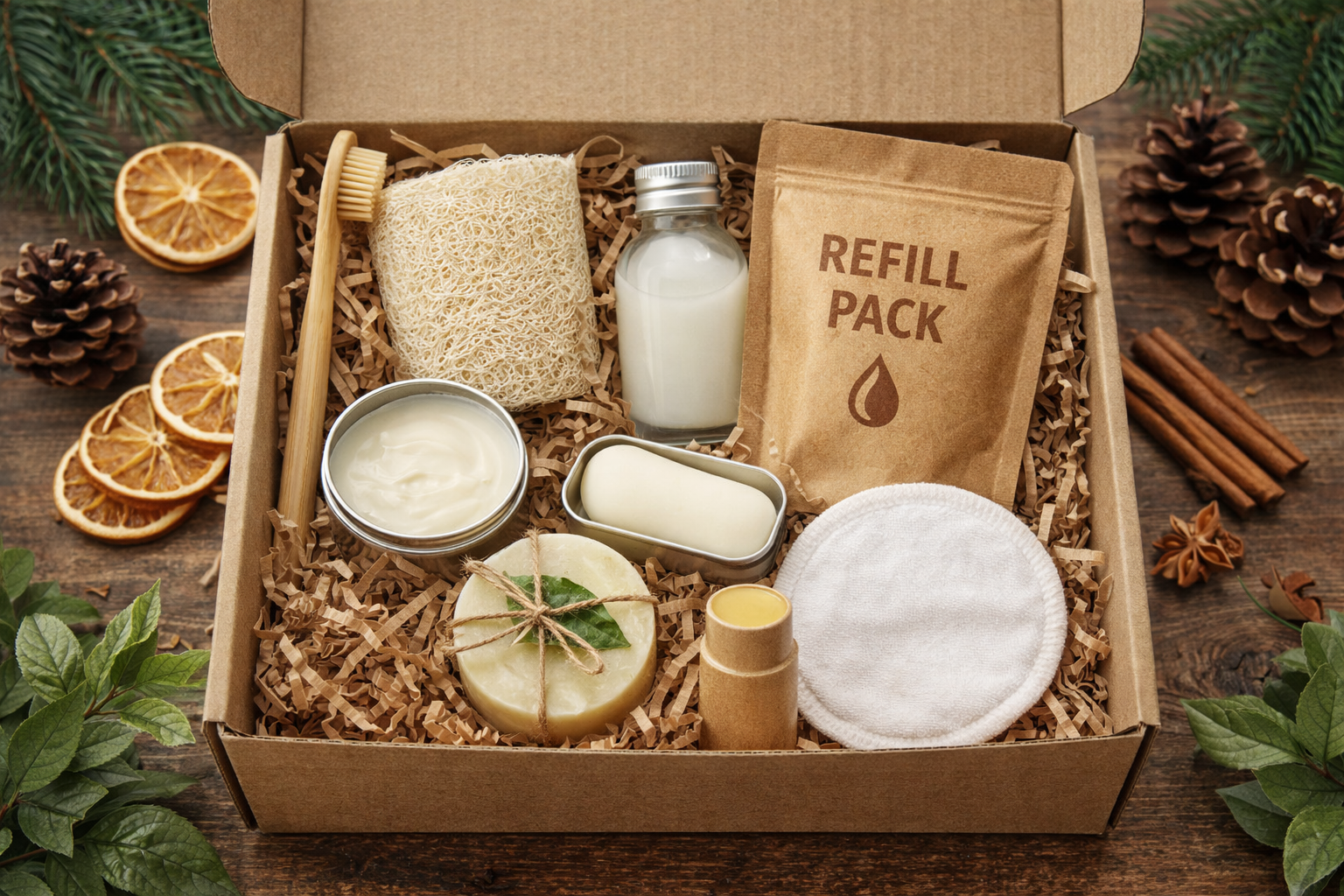
The Environmental Impact of Conventional Personal Care Packaging
Personal care packaging contributes significantly to global plastic waste. Shampoo bottles, lotion containers, deodorant tubes, toothpaste packaging, and cosmetic jars are often used for only a few weeks before being discarded. While many of these items are technically recyclable, the reality is that a large percentage never make it through proper recycling channels.
Several issues make traditional packaging problematic:
- Mixed materials that are difficult to recycle
- Small-sized packaging that recycling facilities often reject
- Contamination from leftover product residue
- Limited recycling infrastructure in many regions
As a result, millions of tons of personal care packaging end up in landfills, incinerators, or oceans every year. This growing environmental burden has forced both consumers and brands to rethink packaging choices.
What Is Eco-Friendly Personal Care Packaging?
Eco-friendly personal care packaging refers to packaging solutions designed to minimize environmental impact throughout their lifecycle—from production and transportation to usage and disposal. These solutions focus on reducing waste, lowering carbon emissions, and promoting reuse or recyclability.
Key characteristics of sustainable personal care packaging include:
- Reduced use of virgin plastic
- Reusable or refillable designs
- Recyclable, compostable, or biodegradable materials
- Minimalist and lightweight packaging
- Responsible sourcing and manufacturing processes
Among all these approaches, refillable packaging has gained exceptional momentum due to its ability to significantly reduce single-use waste.
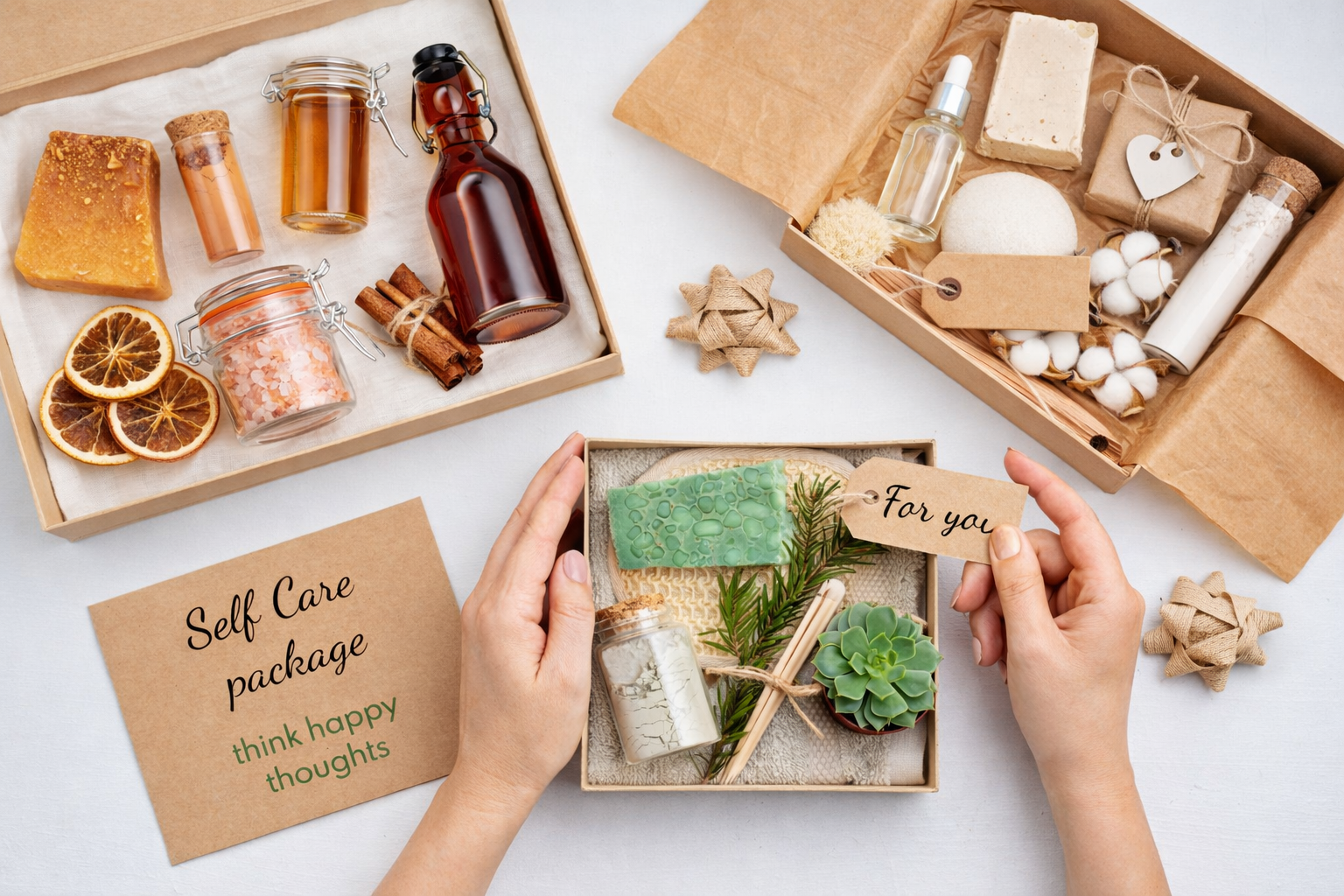
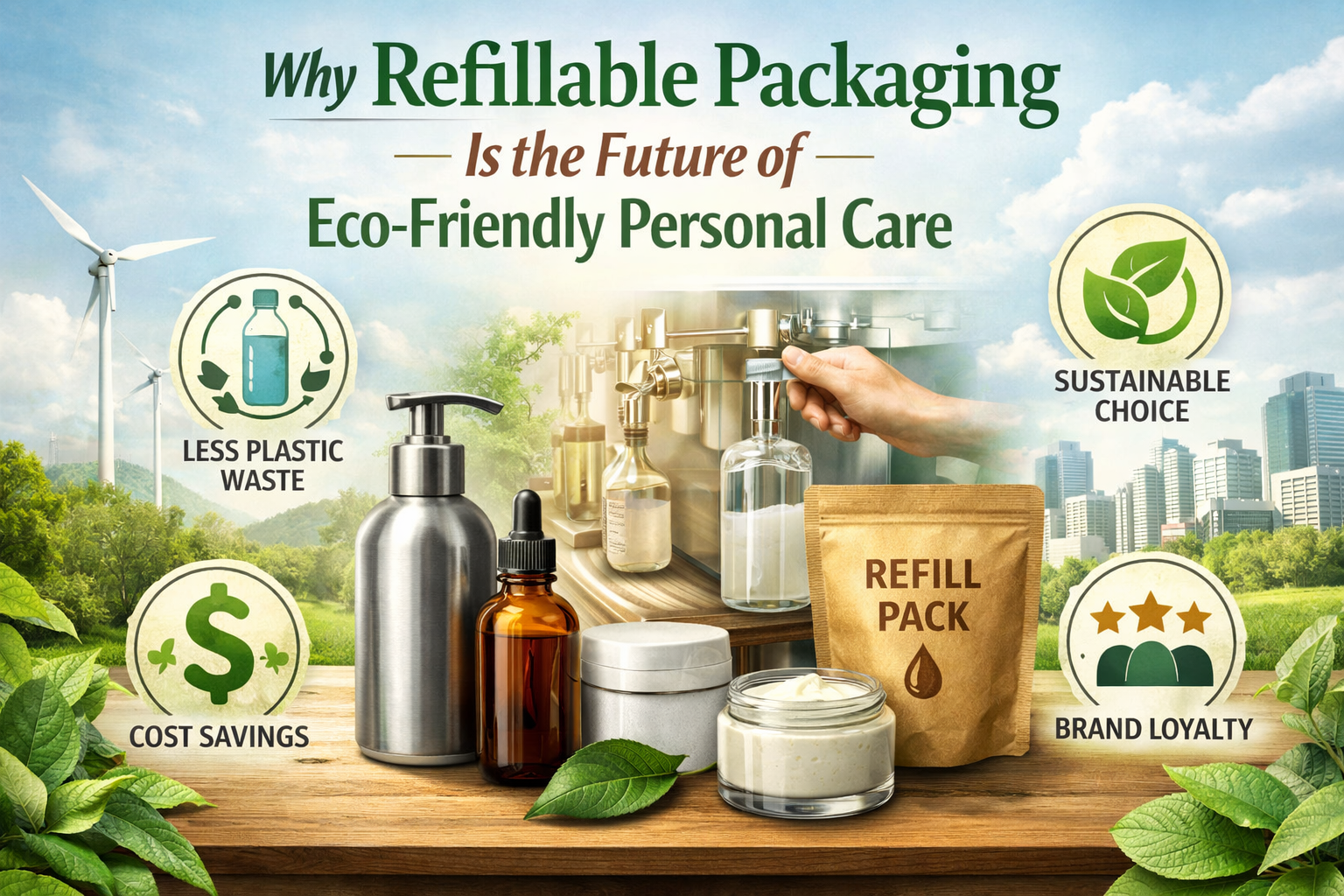
Why Refillable Packaging Is a Game-Changer
Refillable packaging allows consumers to reuse the original container multiple times while replenishing the product through refills. These refills may come in the form of pouches, concentrates, tablets, or in-store refill stations.
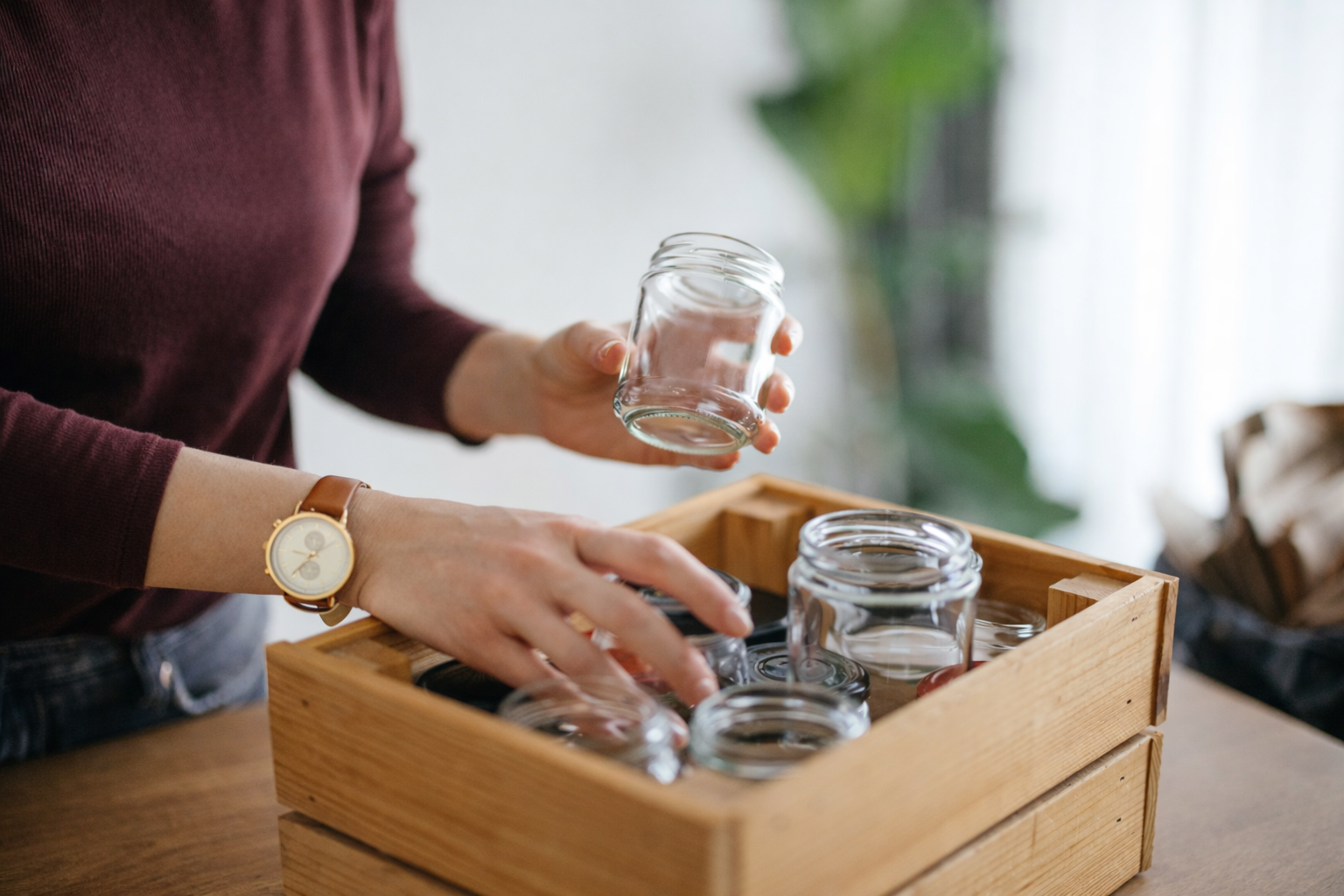
This model offers several advantages:
1. Significant Waste Reduction
By reusing the same container repeatedly, refillable packaging drastically cuts down the amount of plastic entering the waste stream. Even when refill pouches are used, they typically require far less material than full-sized bottles.
2. Lower Carbon Footprint
Refill systems often use lighter packaging, which reduces transportation emissions. Concentrated refills further minimize environmental impact by requiring less water and packaging during shipping.
3. Long-Term Cost Benefits
Although refillable containers may have a higher upfront cost, refills are generally more affordable. This pricing model appeals to consumers seeking both sustainability and value.
4. Stronger Brand Loyalty
Refillable packaging encourages repeat purchases and long-term brand relationships. Once consumers invest in a refillable container, they are more likely to stick with the same brand for future refills.
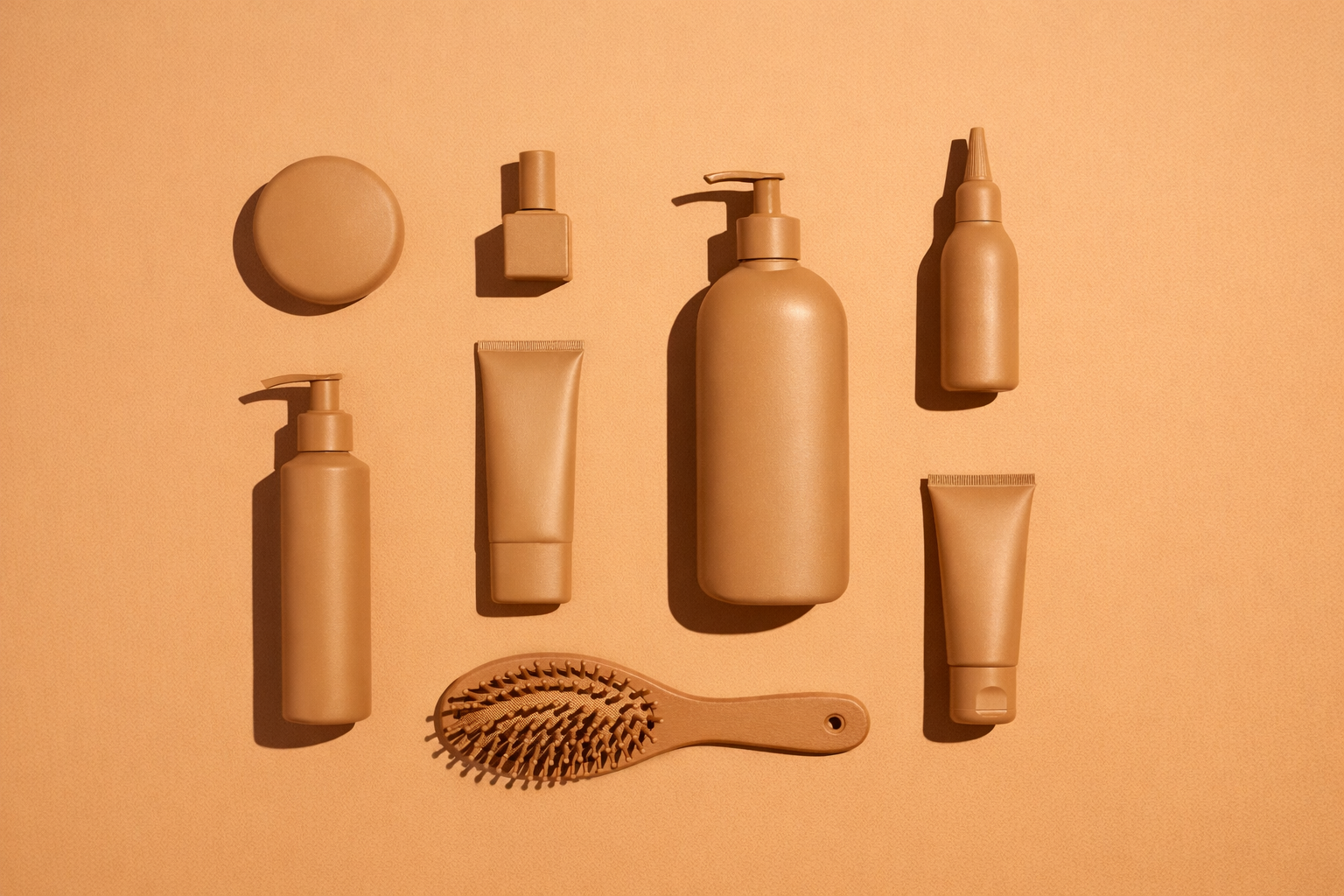
Materials Driving Sustainable Personal Care Packaging
The success of eco-friendly packaging depends heavily on material innovation. Several sustainable materials are now widely used in personal care packaging:
Aluminum
Aluminum is lightweight, durable, and infinitely recyclable without losing quality. It is commonly used for deodorants, creams, and haircare products.
Glass
Glass offers a premium aesthetic and is fully recyclable. While heavier than plastic, it is highly reusable and often used for skincare and fragrance packaging.
Stainless Steel
Known for its durability and hygiene, stainless steel is ideal for long-lasting refillable containers, particularly in luxury or minimalist brands.
Paper-Based Packaging
Innovative paper and cardboard solutions—often coated with biodegradable or water-resistant linings—are replacing plastic in soaps, cosmetics, and dry personal care products.
Bio-Based and Compostable Materials
Materials derived from plant sources such as sugarcane, cornstarch, or bamboo are increasingly being used as alternatives to petroleum-based plastics.
Minimalist Packaging: Less Is More
Another major trend in eco-friendly personal care packaging is minimalism. Brands are reducing excess packaging, eliminating unnecessary layers, and focusing on clean, functional design.
Minimalist packaging not only reduces waste but also resonates with consumers who value transparency and simplicity. Clear labeling, neutral colors, and compact designs communicate sustainability while maintaining a modern aesthetic.
Consumer Demand Is Driving Change
Today’s consumers are more informed than ever. They actively research brands, read labels, and question sustainability claims. Studies show that a growing percentage of shoppers are willing to pay more for products with environmentally responsible packaging.
Key consumer expectations include:
- Honest sustainability claims
- Visible reduction in plastic usage
- Clear instructions for reuse or recycling
- Packaging that aligns with brand values
Brands that fail to meet these expectations risk losing trust and relevance in an increasingly competitive market.
Regulations and Industry Pressure
Governments and regulatory bodies worldwide are implementing stricter policies around plastic usage and waste management. Bans on single-use plastics, extended producer responsibility (EPR) laws, and packaging taxes are pushing companies to adopt sustainable alternatives.
In response, many personal care brands are proactively investing in eco-friendly packaging to future-proof their operations and comply with evolving regulations.
Challenges in Scaling Eco-Friendly Packaging
Despite its advantages, sustainable personal care packaging presents several challenges:
- Higher production and material costs
- Supply chain limitations for sustainable materials
- Consumer education and behavior change
- Hygiene and safety concerns with refills
However, brands that invest in innovation, user-friendly design, and clear communication are successfully overcoming these barriers.
The Role of Innovation and Technology
Technology is playing a crucial role in advancing eco-friendly packaging. Smart refill systems, QR codes for recycling guidance, AI-driven material optimization, and improved compostable materials are making sustainable packaging more efficient and accessible.
Some brands are also experimenting with solid and waterless personal care products, which eliminate the need for traditional liquid packaging altogether.
The Future of Eco-Friendly Personal Care Packaging
Eco-friendly personal care packaging is no longer a niche trend—it is becoming the industry standard. As innovation accelerates and consumer demand grows, refillable and sustainable packaging solutions will continue to evolve.
In the near future, we can expect:
- Wider adoption of refill stations in retail stores
- Subscription-based refill delivery models
- Greater standardization of refill packaging
- Increased collaboration across brands to reduce waste
- Stronger focus on lifecycle assessments and transparency
Conclusion
Eco-friendly personal care packaging represents a powerful opportunity to reduce environmental impact while building stronger connections with conscious consumers. Refillable systems, sustainable materials, and minimalist designs are redefining how personal care products are packaged and consumed.
For brands, embracing sustainable packaging is not just about compliance or image—it’s about long-term resilience, innovation, and responsibility. For consumers, it offers a practical way to make everyday routines more environmentally friendly.
As the personal care industry continues to evolve, eco-friendly packaging will remain at the heart of a cleaner, greener future—one refill at a time.
 Country & Victorian Times