
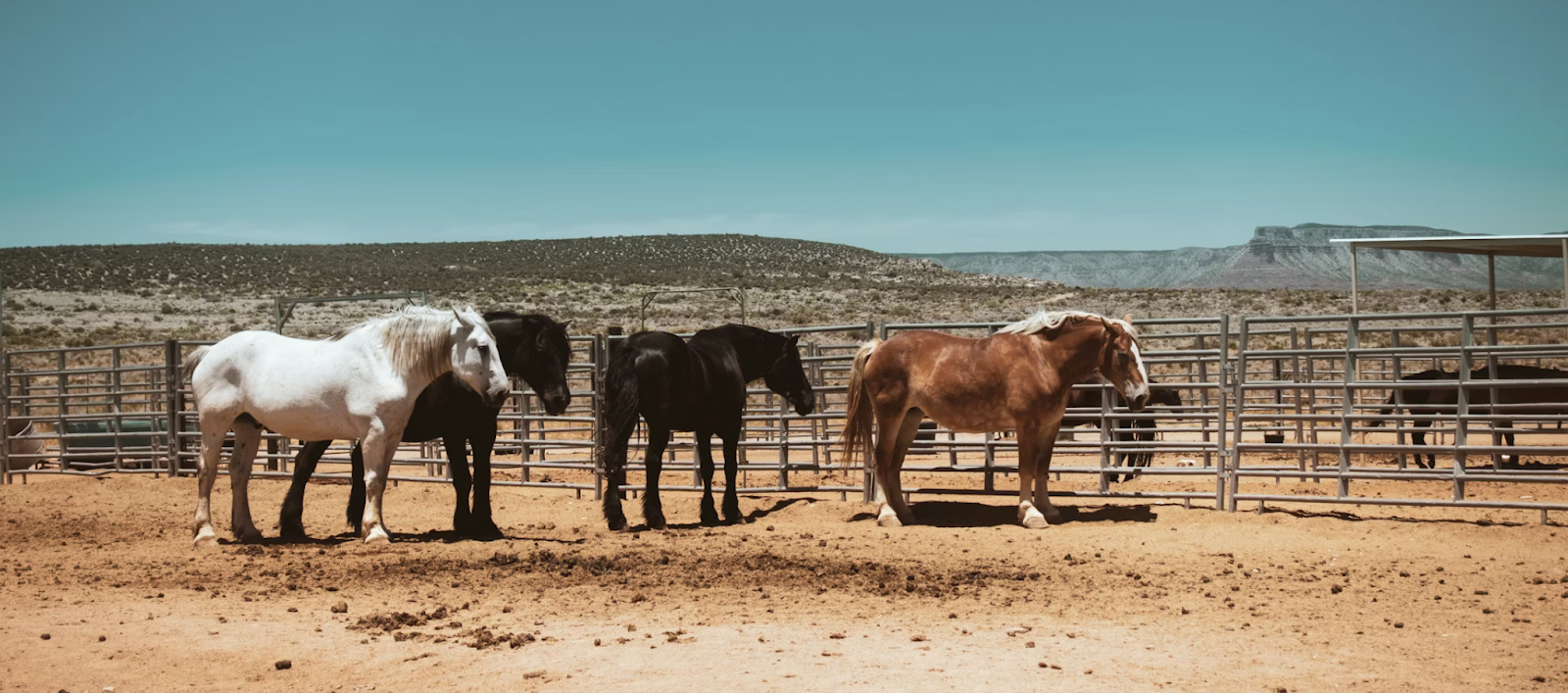
Sustainability used to be mostly associated with urban structures with green roofing systems and environmentally friendly building certifications. However, if you observe contemporary ranches, you will discover that many owners have become enthusiastic sustainability defenders.
A sustainable ranch focuses on enhancements that create operational efficiencies while decreasing waste. Sustainable design choices for ranches must take into account the local environment, such as the amount of rainfall and temperature fluctuations.
Building With Longevity in Mind
The best fencing and roofing systems, as well as barn spaces, are built with longevity in mind. Many property owners choose durable surfaces that can stand up to moisture and mud, which allow for continual cleaning instead of using delicate materials that require extensive, tedious upkeep. Aside from environmental benefits, such solutions can also be visually appealing by incorporating creative landscaping and hardscaping solutions.
Better For Animals
Sustainable ranch designs also support animal welfare. Extensive heat, extreme cold, and polluted air conditions cause stress in animals. Stress harms their immune system, and health problems become more common, while animals become less efficient at digesting food. Damage to barns or flooring negatively affects how well the barn protects livestock from the elements, so investing in sustainable, long-lasting construction better supports the animals’ well-being.
Upgrades Embraced by Today’s Ranchers
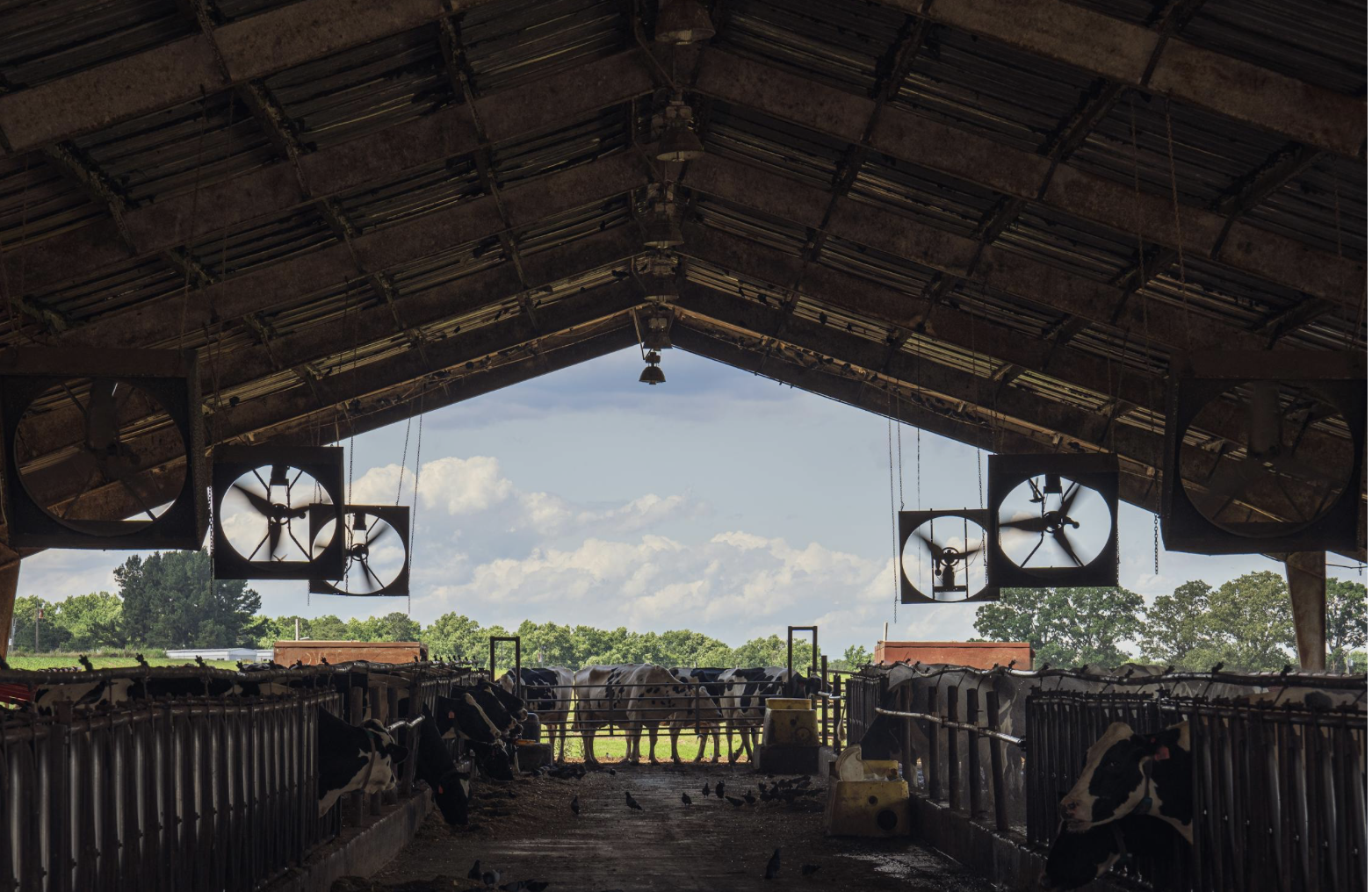
So what are some of the ways ranch owners are turning to sustainability?
- Systems to provide better airflow, which decrease indoor humidity levels and prevent ammonia accumulation and heat stress conditions.
- Skylights and translucent panels with improved window positioning, enabling “daylighting,” or making good use of natural light.
- Well-planned drainage and grading systems enable them to maintain dry conditions throughout barns and busy areas during periods of heavy rain.
- Durable surfaces that allow for easy cleaning help with better hygiene and decrease the need for strong chemical cleaning products.
Conserving Water
The sustainability challenges facing ranches in drought-prone regions make water one of their most visible pressure points. Ranch owners are redesigning their water systems as they understand that future water supplies are unlikely to remain inexpensive and consistent. For example:
- Capturing rainwater for non-potable uses like wash-downs or irrigation.
- New troughs and float valves reduce flow into the troughs, which prevents overflow and stops leaks.
- Strategic placement of animals and equipment relative to water sources helps distribute grazing pressure while conserving water usage.
- Native and drought-resistant plants around residential and operational structures decrease the need for irrigation.
Energy Efficiency
Ranchers need to look closely at utility bills and energy conservation. That’s why sustainable energy improvements on ranches tend to focus on practical wins. Even if a ranch never becomes fully “off grid,” small energy choices add up. The following measures often support this strategy.
- LED lighting retrofits in barns and shops.
- Insulation upgrades in ranch houses and worker housing to improve comfort and reduce heating and cooling loads.
- Efficient hot water systems for wash stations and dairy-related operations.
- Solar additions where they make sense.
Materials and Surfaces
Ranch operations encounter their highest stress levels in barn aisles, wash racks, tack rooms, feed areas, and entrances where mud and manure contamination accrue. Using rubber and porous asphalt or natural latex composites for barn flooring delivers both optimal drainage and enhanced comfort for animals.
Working With the Land
Ranch owners are increasingly intentional about choosing barn and stall surfaces that are comfortable for animals, prevent slipping, and resist moisture. When evaluating choices, you need to consider your daily routine, drainage, temperature swings, and the type of animals using the space. Sustainable ranch design also shows up in how owners manage the property’s natural systems. The ideal result is when infrastructure matches the land’s natural features instead of depending on fixed solutions that may not be ideal for a particular place.
Ranch sustainability is a guiding principle that encompasses all operations. The goal is to develop practices that lead to better operational outcomes, including reduced expenses, decreased risk for emergencies, healthier animal care, and ongoing infrastructure improvements.
Ranch may not care about following current trends, but they do see the value in adopting sustainable design practices that support practical, noticeable improvements. The most sustainable option becomes the best choice when all decisions complement your land, climate, and daily operations.
 Country & Victorian Times